The Whitsundays offer one of Australia's most rewarding island-hopping experiences, and for travellers in their 50s, 60s and 70s, the options have broadened well beyond the backpacker party-boat circuit. Whether you want a day sail with a soft landing back at Airlie Beach each evening, or a small-ship overnight cruise with a proper cabin, the region delivers reef, beach and warm water without demanding that you rough it. This guide covers how to get there from Victoria, what to expect aboard different vessel types, and the honest detail about stairs, cabin size and pacing that most brochures leave out.
Why the Whitsundays suit over-50 travellers particularly well
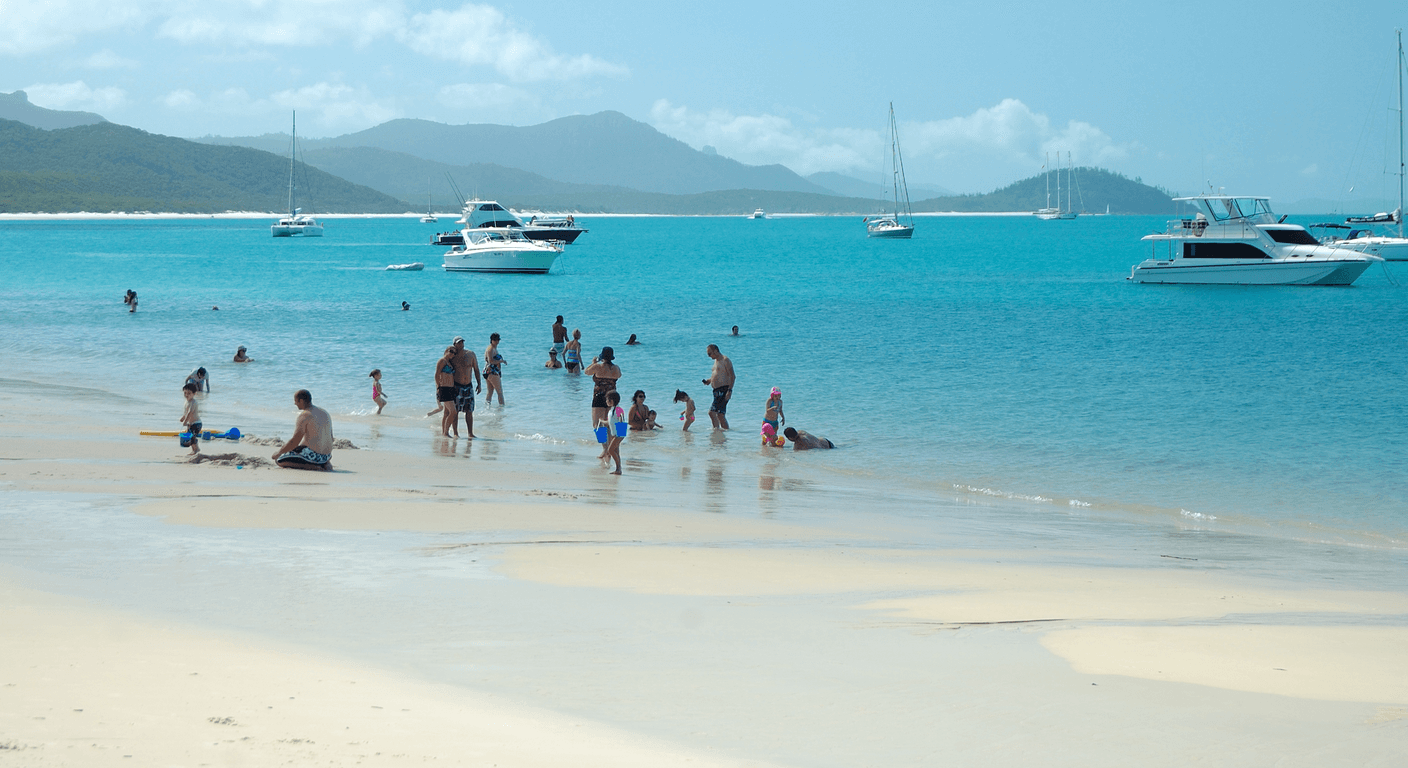
The Whitsundays sit in the Coral Sea off the coast of Queensland's Mackay region, roughly 1,100 kilometres north of Brisbane. Seventy-four islands, most of them uninhabited national park, ring a sheltered stretch of water that stays relatively calm compared to open-ocean sailing. That sheltered geography is one reason the region works so well for travellers who want the experience of being on the water without the rough-weather anxiety that can come with more exposed coastlines.
The tourist infrastructure here has matured considerably. You are not choosing between a backpacker catamaran and nothing. There are purpose-fitted small ships with private cabins, air-conditioning, proper bathrooms and sun decks with shade. There are also comfortable day-sail options that return you to shore each evening, which suits travellers who prefer a firm bed on land and a slower pace. For a solo traveller from Victoria who has done his share of camping and roughing it over the years, the Whitsundays offer the rare combination of genuine natural beauty and genuine comfort.
The weather is a real consideration. The Whitsundays' peak season for sailing runs roughly from June to October, when the humidity drops, the trade winds are reliable and box jellyfish risk in the water is lower. Victorian travellers planning a winter escape will find the timing lines up naturally — you are leaving Melbourne's cold for Queensland warmth without arriving in the wet season.
Getting there from Victoria: flights and what to expect on arrival
There are two main entry points for the Whitsundays: Proserpine (Whitsunday Coast Airport, airport code PPP) and Hamilton Island Airport (HTI). From Melbourne, both Jetstar and Virgin Australia operate services, sometimes direct and sometimes via Brisbane or Sydney depending on the season and booking timing. Indicative return fares from Melbourne to Proserpine range from around $350 to $600 economy depending on lead time and carrier; Hamilton Island fares can run higher given the island's premium positioning. Always confirm current schedules and prices directly with the airlines.
Proserpine is the budget-conscious choice. From there, shuttle buses run to Airlie Beach, about 35 minutes away, and operators such as Whitsunday Transit provide a straightforward transfer. Airlie Beach is the main mainland hub for sailing and charter operations. Hamilton Island Airport, by contrast, lands you directly on the island, where golf buggy transport is the norm and the marina connects you to day trips and inter-island ferries. For a solo traveller who wants flexibility and lower accommodation costs, Airlie Beach as a base makes practical sense.
Once in Airlie Beach, most sailing operators depart from Abel Point Marina or the main boat harbour, both walkable or a short taxi ride from central accommodation. The town itself is compact and reasonably flat along the foreshore, which matters if you are managing any knee or hip issues. The main Airlie Beach Lagoon — a large saltwater pool right on the esplanade — gives you a safe, jellyfish-free swim option at no cost, which is worth knowing on arrival days or departure mornings when you have time to fill.
Day sails versus overnight cabin cruises: how to choose
The core decision for most over-50 travellers in the Whitsundays is whether to do day trips from a land base or commit to an overnight or multi-night sailing cruise. Both have genuine merit, and the right choice depends less on budget and more on how you feel about sleeping in a confined space and climbing in and out of a bunk.
Day sails are exactly what they sound like: you board a vessel in the morning, visit one or two destinations — typically Whitehaven Beach and a snorkelling spot — and return to Airlie Beach or Hamilton Island by late afternoon. Cruise Whitsundays runs a well-regarded pontoon-based day service to Reefworld on Hardy Reef, which is particularly suitable for less confident swimmers because the pontoon provides a stable, floating platform with ladders, a semi-submersible viewing vessel and a supervised snorkel area. You do not need to be a strong swimmer or diver to feel comfortable here. Indicative pricing for these day trips runs around $150 to $220 per person; confirm current costs directly with the operator.
Overnight cruises range from two-night to four-night itineraries aboard smaller sailing vessels or motor-sailers, typically carrying between 10 and 30 passengers. The honest reality of these boats is that cabins are small — often twin or double berths in a space roughly the size of a generous wardrobe, with a compact en-suite or shared bathroom. Stairs (or ladders) between decks are steep and narrow on many vessels. If you have significant mobility limitations, a day-sail-plus-land-accommodation approach is almost certainly more comfortable. If you are reasonably mobile and do not mind close quarters, an overnight cruise lets you wake at anchor in a quiet bay, which is a genuinely different experience from anything you can replicate on a day trip.
Whitehaven Beach: what it actually involves
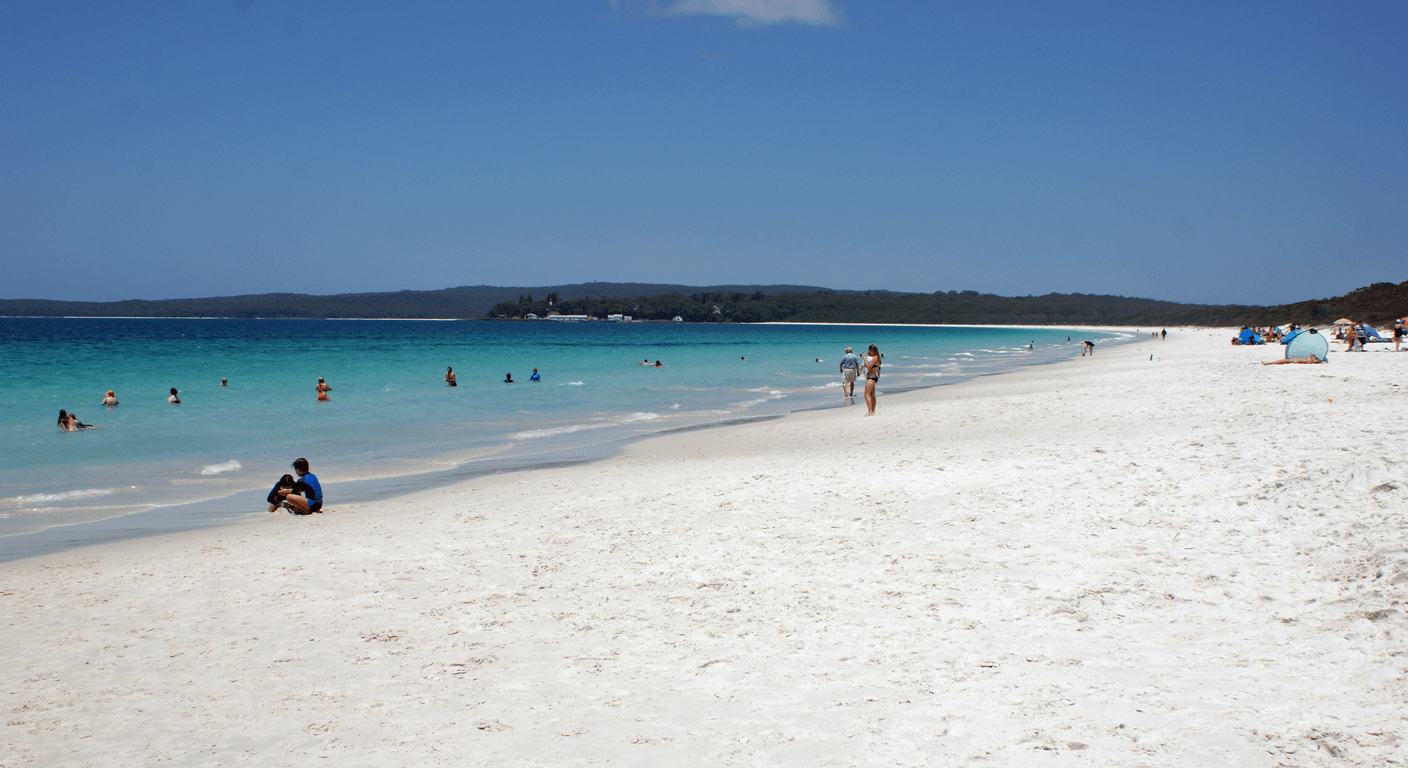
Whitehaven Beach on Whittunday Island is consistently rated among Australia's finest beaches, and the silica sand — white and fine enough to feel almost powdery — is the real thing. It is not a beach you drive to; access is only by boat or seaplane, which is part of what keeps it in reasonable condition. Most day sails and overnight cruises include a stop here.
The beach itself is long — around seven kilometres — but the main visitor area where boats tender or dock is at the southern end near Tongue Point, where a short walk up a low hill gives you the lookout view over Hill Inlet that appears in most photographs. The walk to the lookout is a formed path with some uneven sections and a moderate incline; it takes around 15 to 20 minutes each way at a steady pace. It is manageable for most active older travellers, though anyone with significant knee or balance issues should assess it carefully. Trekking poles are worth bringing.
The beach visit is typically one to two hours, which is enough time to walk the lookout, have a swim in the calm shallows and sit quietly on the sand. The water here is clear and shallow near the shore, and the lack of coral underfoot makes it comfortable for an easy wade or swim. Shade is limited on the beach itself, so a hat, long-sleeved sun shirt and SPF 50 sunscreen are not optional in this latitude.
Snorkelling the reef: honest options for less confident swimmers
Reef snorkelling is a central drawcard of any Whitsundays trip, but it is also the part that causes most anxiety for older travellers who have not snorkelled in years, or who are not strong swimmers. The good news is that the pontoon-based options at Hardy Reef and other sites are designed with exactly this in mind. The Reefworld pontoon operated by Cruise Whitsundays provides a semi-submerged viewing chamber so you can observe coral and fish without entering the water at all, which is a genuine and underrated option.
For those who want to get in the water, the supervised snorkel zones off pontoons are shallow, calm and staffed. Noodles and flotation vests are provided at no extra charge on most operators. Wetsuits or stinger suits are also supplied and worth wearing year-round — they add buoyancy as well as protection. If you have not snorkelled for some time, it is worth practising with a mask and snorkel in a pool before you go; the breathing adjustment catches many people off guard and a little familiarity makes the reef experience far more relaxing.
Certified divers will find introductory and guided dives available from most overnight cruise vessels and from the Reefworld pontoon. Introductory dives do not require prior certification and are conducted with a divemaster. The underwater visibility in the Whitsundays varies by site and season but is generally good in the June to October window. Be aware that the Whitsundays sit at the southern edge of the Great Barrier Reef Marine Park; the coral here is different in character from, say, Cairns — more bommies and isolated reef structures than continuous coral gardens — but the fish life is abundant and the experience is fully worthwhile.
Practical pacing and what to budget
A realistic Whitsundays itinerary for an over-50 solo traveller from Victoria might look like five to seven nights total. Two or three nights based in Airlie Beach or on Hamilton Island, one or two day trips (Whitehaven Beach on one day, the reef pontoon on another), and optionally one two-night overnight sailing cruise if the cabin situation appeals. This pace allows for a rest day — genuinely valuable in tropical warmth when you are not used to the humidity — and avoids the trap of cramming too much into a short window.
Indicative costs for a five-night trip (economy flights return from Melbourne, mid-range accommodation, two day trips, meals and incidentals) sit somewhere in the range of $2,500 to $4,000 per person depending on the season, accommodation choice and activities selected. These figures are indicative only; confirm all current prices directly with airlines, accommodation providers and activity operators before making any financial decisions. Solo travellers should ask operators directly about single supplement policies on overnight cruises, as these vary considerably.
Travel insurance is not optional for a trip of this nature. Ensure your policy covers water-based activities including snorkelling and boat travel, and check the fine print on pre-existing conditions. Medicare does not cover emergency medical evacuation from a reef location, and a remote marine rescue can be expensive. The Queensland Ambulance Service and emergency helicopter services do operate in the region, but costs can be significant without appropriate cover.
Honest notes on mobility, accessibility and what to ask before booking
Boarding a sailing vessel — even a large, stable catamaran — involves some physical negotiation. You will typically step from a dock or tender onto a moving deck, grip a rail and move carefully. Operators are accustomed to assisting passengers and most will offer a hand without being asked, but it is worth calling ahead to ask specifically about boarding arrangements if you have any hip, knee or balance concerns. Some vessels have more forgiving boarding setups than others.
Cabin stairs on overnight vessels deserve particular mention. On most sailing boats and small motor-sailers, the companionway (the stairs from the cockpit or salon down to the cabin level) is steep — closer to a ship's ladder than a domestic staircase — and requires using both hands. If descending steep stairs backwards is difficult for you, this is a genuine barrier and worth raising directly with the operator before booking. Some larger power catamarans used for day trips and overnight charters have more accessible layouts; ask specifically.
Hamilton Island has the most accessible infrastructure in the Whitsunday region, with paved paths, golf buggy transport and resort facilities designed for a broad range of travellers. If accessibility is a priority, basing yourself on Hamilton Island and doing day trips from there (via the island's marina operators) is the most comfortable configuration. The island's resort website lists accessibility information, and the concierge team are experienced at advising on suitable activities for guests with mobility considerations.
Key takeaways
- The Whitsundays' sheltered waters make it one of Australia's most accessible sailing destinations for older travellers who want reef and beach without rough open-ocean conditions.
- Day sails from Airlie Beach or Hamilton Island — including pontoon-based reef visits — are the most comfortable option for travellers with mobility concerns or a preference for sleeping on land.
- Whitehaven Beach is accessible by boat only; the lookout walk takes around 15 to 20 minutes each way on a formed but uneven path with a moderate incline.
- The Reefworld pontoon at Hardy Reef offers a semi-submerged viewing chamber, meaning you can observe coral and fish without entering the water at all.
- Overnight sailing cabins on smaller vessels are genuinely small, with steep companionway stairs — ask operators directly about cabin layout and boarding before committing.
- June to October is the recommended window for Whitsundays sailing: lower humidity, reliable trade winds and reduced box jellyfish risk in the water.
Recommended partners and links
Indicative prices only — always confirm with the operator before booking.
Frequently asked questions
Do I need to be able to swim to enjoy a Whitsundays sailing trip?
No. The Reefworld pontoon operated by Cruise Whitsundays includes a semi-submerged viewing chamber where you can watch coral and fish without entering the water. Day trips and overnight cruises also spend time at Whitehaven Beach, where paddling in the shallows rather than swimming is entirely normal. Flotation vests and noodles are available on most vessels for those who do enter the water.
What is the easiest way to get to the Whitsundays from Melbourne?
Fly from Melbourne (Tullamarine or Avalon) to either Proserpine (Whitsunday Coast Airport, code PPP) or Hamilton Island Airport (HTI). Both Jetstar and Virgin Australia operate services, sometimes direct. From Proserpine, a shuttle bus takes around 35 minutes to Airlie Beach. Confirm current schedules and fares directly with the airlines, as routes and frequency change seasonally.
Are overnight sailing cabins suitable for older travellers?
It depends on the vessel and the traveller. Cabins on smaller sailing boats are compact — think fitted berths in a tight space — and companionway stairs are typically steep. If you are reasonably mobile and comfortable in close quarters, an overnight cruise is a rewarding experience. If mobility is a concern, day trips with land-based accommodation in Airlie Beach or on Hamilton Island is a more practical approach. Always call the operator ahead of booking to ask about cabin size, bathroom arrangement and boarding access.
When is the best time of year for a Whitsundays trip?
June to October is the recommended window. Humidity is lower, the trade winds provide reliable sailing conditions, and box jellyfish — which can be present in Queensland coastal waters from November to May — are at much lower risk levels. For Victorian travellers, this timing also aligns with escaping the southern winter, making it a practical and comfortable travel window.
What does a Whitsundays trip cost for a solo traveller from Victoria?
Indicative total costs for a five-night trip — including economy return flights from Melbourne, mid-range accommodation, two day activity trips and meals — sit roughly in the range of $2,500 to $4,000 per person. These are indicative figures only. Solo travellers should ask operators about single supplement charges on overnight cruises, and confirm all current prices directly with airlines, accommodation providers and activity operators before booking.
Got a tip, a price update or a story from this route? The community would love to hear it.
Share your views on our Facebook page— Seniors and Solo Traveller Stories
- Tourism Whitsundays — official regional tourism information
- Cruise Whitsundays — day trips and Reefworld pontoon
- Hamilton Island — official resort and activity information
- Great Barrier Reef Marine Park Authority
- Queensland National Parks — Whitsunday Islands National Park
- Visit Victoria — interstate travel inspiration for Victorians