The Snowy Mountains in summer and autumn reveal a quieter, more accessible side of Kosciuszko National Park — wildflowers across the high plains, the Thredbo chairlift lifting you to Australia's rooftop without a single steep step, and the warm thermal pool at Yarrangobilly Caves waiting as a rewarding detour. This guide is written for over-50 travellers, particularly those driving from Victoria through Canberra or the coast, who want to take their time and do it properly.
Why the Snowy Mountains reward over-50s outside ski season
Most Australians picture the Snowies in winter — ski gear, icy roads, and accommodation prices to match. From November through to April, the same landscape transforms into something far more suited to a slower, more considered visit. The crowds thin out noticeably, the roads dry up, and the high country opens itself to walkers, drivers, and anyone who simply wants to sit somewhere beautiful and take it in.
For a traveller in her late sixties who values good food, a comfortable bed, and scenery that earns its reputation without requiring superhuman fitness, the warmer months are simply the better choice. The Kosciuszko Road through to Thredbo stays open year-round, the chairlift runs through summer and into autumn specifically for sightseers, and the wildflowers across the subalpine plains in December and January are genuinely worth planning around.
There is also something to be said for pace. This is not a dash from one landmark to the next. The drive itself — from Cooma down through Jindabyne and along the Kosciuszko Road — is the experience, and it deserves two or three days of unhurried attention rather than a rushed day trip.
Getting there: driving from Victoria or via Canberra
From Melbourne, the most practical approach for a solo driver is to break the journey in Canberra, which sits roughly four hours from the city via the Hume Highway and Federal Highway. Canberra makes a worthwhile overnight stop in its own right, and the drive south from there to Cooma on the Monaro Highway is one of the more underrated stretches of road in south-eastern Australia — wide, well-surfaced, and rolling through open grazing country.
The total drive from Melbourne to Jindabyne is around five and a half to six hours without stops, so splitting it over two days is sensible rather than heroic. Cooma, about 65 kilometres north of Jindabyne, has a good range of accommodation and makes a comfortable first-night option. From Cooma, the road to Jindabyne follows the Snowy Mountains Highway before dropping down to the lake.
Alternatively, travellers coming from the Victorian coast — the Gippsland corridor — can approach via the Princes Highway to Bairnsdale and then north through Buchan and across the NSW border, eventually picking up the Monaro Highway near Bombala. This route is longer and more winding in sections, but it passes through some beautiful and little-visited country. It suits travellers who are genuinely in no hurry and are comfortable on narrower roads. Check road conditions on NSW Transport Roads before setting out, particularly after heavy rain.
Jindabyne: your base and what to know
Jindabyne is the natural base for exploring this part of Kosciuszko National Park. The town sits on the edge of Lake Jindabyne, created when the original township was flooded as part of the Snowy Hydro scheme in the 1960s — a piece of local history that gives the place an unexpectedly layered character. The lake itself is calm and scenic, and the lakeside area is easy to walk along without any significant elevation change.
Accommodation ranges from motel-style rooms to self-contained apartments, with the latter worth considering for a solo traveller who wants a kitchen and the option of a quiet evening in. Outside peak ski season, rates drop considerably and availability is rarely a problem. The town has a supermarket, a handful of decent cafes and restaurants, and a visitor information centre where staff are genuinely helpful about road conditions, park entry, and what is currently flowering on the plateau.
One practical note: Jindabyne sits at around 920 metres above sea level. For most travellers that is not a concern, but if you have any cardiac or respiratory conditions, it is worth mentioning to your GP before the trip. Temperatures at this altitude can drop sharply in the evening even in midsummer, so packing a warm layer is not overcaution — it is just common sense.
The Thredbo chairlift: high-country views without the hard work
From Jindabyne, the Kosciuszko Road climbs steadily for about 35 kilometres to the village of Thredbo. The drive alone is worth doing — the road passes through mountain ash and snow gum forest, crosses several creeks, and eventually opens out into views across the high country that feel genuinely remote despite being accessible by an ordinary sedan. The road is sealed the entire way.
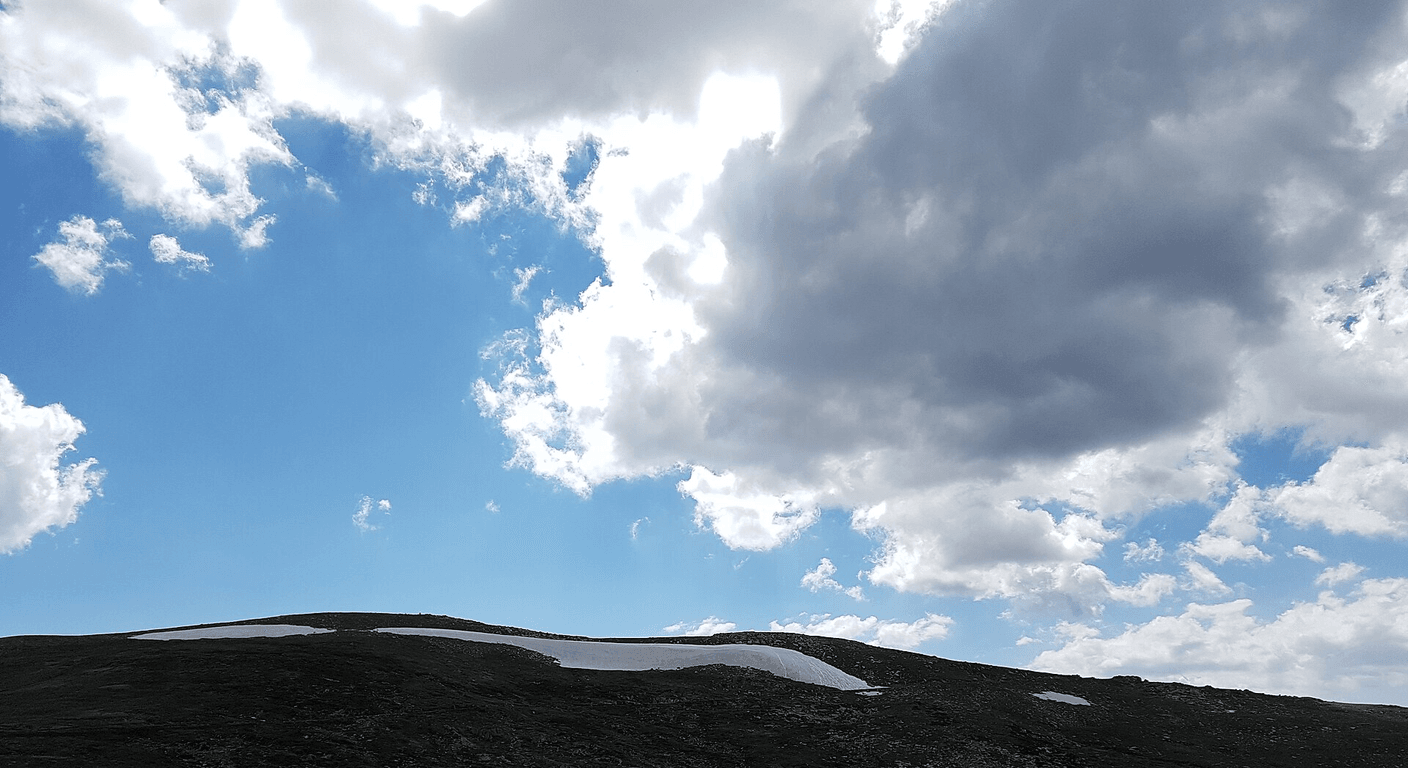
At Thredbo, the Kosciuszko Express chairlift runs through the warmer months and carries passengers up to the Eagles Nest observation area at around 1,940 metres. From there, a well-maintained boardwalk leads toward Mount Kosciuszko itself, though you are under no obligation to walk the full 13-kilometre return to the summit. Even a short stroll along the boardwalk from the top of the chairlift puts you among the high-alpine vegetation — the tiny cushion plants, the sphagnum bogs, the silver snow daisies in season — in a way that would otherwise require a serious hike.
The chairlift is accessible to most travellers with moderate mobility, but it is worth checking the Thredbo website for current accessibility information before you go, as conditions at the top can change quickly and the terrain beyond the boardwalk is rough. Dress in layers regardless of the weather forecast in Thredbo village — the top of the chairlift is noticeably colder and more exposed, and afternoon cloud can roll in fast. Confirm operating dates and current ticket prices directly with Thredbo, as these vary by season.
Alpine wildflowers: when to go and what to look for
The high plains and subalpine meadows of Kosciuszko National Park put on a wildflower display from roughly late November through to February, with December and January generally considered the peak. The flowers are not the bold, tropical showiness of a botanical garden — they are small, intricate, and adapted to survive in a landscape that spends half the year under snow. That restraint is part of what makes them interesting.
Common species include the silver snow daisy (Celmisia costiniana), billy buttons, alpine marsh marigolds, and the delicate mountain gentian. Along the boardwalk from the top of the Thredbo chairlift, and across the plateau around Charlotte Pass, wildflowers line the path in season. Charlotte Pass is accessible by road from Jindabyne via Perisher — it is the highest point in Australia accessible by sealed road, at around 1,834 metres — and the short walks around the pass are manageable for most travellers with reasonable fitness.
The NSW National Parks website and the Kosciuszko Huts Association both publish useful seasonal information about what is flowering and where. Checking these before you travel helps set realistic expectations and lets you plan your timing around peak bloom rather than arriving a week too early or too late.
Yarrangobilly Caves and the thermal pool: the detour that earns its distance
Yarrangobilly Caves sit about 80 kilometres north of Jindabyne, off the Snowy Mountains Highway near Kiandra. It is a deliberate detour rather than a pass-through, but it is one of the more rewarding stops on the entire route. The caves are limestone formations of genuine geological interest, and NSW National Parks runs guided tours through several of them. The cave interiors maintain a constant temperature of around 8–9 degrees Celsius, so a warm layer is essential regardless of outside conditions.
The thermal pool is the element that makes Yarrangobilly particularly appealing for older travellers. Fed by a natural spring at a constant temperature of around 27 degrees Celsius, the pool sits at the base of a short walk down into the valley — around 500 metres each way, with some steps. It is not a spa in the resort sense; it is a natural limestone pool in a bush setting, and it is genuinely pleasant to sit in after a morning of driving and cave-touring. Confirm current access arrangements and any pool entry conditions with NSW National Parks before visiting, as facilities and access can vary.
The drive to Yarrangobilly from Jindabyne follows the Snowy Mountains Highway through Kiandra, passing the site of the old goldfield town and some of the most open, windswept country in the park. It is a good half-day outing, ideally done on the way up from Cooma or as a day trip from Jindabyne. Allow more time than you think you need — the road is scenic but not fast.
National park entry, costs, and a few honest practical notes
All vehicles entering Kosciuszko National Park pay an entry fee. As of 2025, these were around $29 per day for a standard vehicle, with annual passes available at a higher one-off cost that makes sense if you plan to visit more than once or are also visiting other NSW national parks. Fees are subject to change, so confirm current rates on the NSW National Parks website before you go. Payment is handled at entry points and can be done online in advance, which avoids any fumbling at the gate.
Petrol in Jindabyne is available but more expensive than in Canberra or Cooma — filling up before you enter the mountains is straightforward advice that still catches people out. Mobile coverage is patchy once you are on the Kosciuszko Road and essentially non-existent in parts of the park interior. Download offline maps for the area before you leave Jindabyne, and let someone know your rough itinerary if you are travelling solo.
Weather in the high country is genuinely unpredictable in any season. Summer thunderstorms can develop quickly in the afternoon, and even in January the summit plateau can see temperatures close to zero with wind chill. The practical approach is to do your high-altitude activities in the morning and be back in the valley by early afternoon. This is not excessive caution — it is how experienced visitors to the area manage the conditions. The Bureau of Meteorology provides mountain forecasts specific to the Snowy Mountains region, and checking these the evening before you head up is a sound habit.
Key takeaways
- The Thredbo chairlift operates in summer and autumn, giving over-50s access to Australia's high alpine zone without requiring a long or strenuous hike.
- Kosciuszko National Park charges a vehicle entry fee; confirm current rates on the NSW National Parks website before arrival as fees are subject to change.
- The wildflower season on the Kosciuszko plateau runs roughly from late November to February, with December and January generally the peak.
- Yarrangobilly Caves includes a natural thermal pool maintained at around 27 degrees Celsius year-round, making it a genuinely restorative detour.
- Breaking the drive from Melbourne with an overnight stop in Canberra or Cooma makes the journey more manageable and more enjoyable for a solo traveller.
- Weather in the Snowies can change rapidly even in summer — afternoon thunderstorms are common, and temperatures at altitude drop sharply after dark.
Recommended partners and links
Indicative prices only — always confirm with the operator before booking.
Frequently asked questions
Can you visit the Snowy Mountains without skiing or serious hiking?
Yes. The Thredbo chairlift, the sealed road to Charlotte Pass, the Yarrangobilly Caves thermal pool, and the scenic drives through the park are all accessible to travellers who are not skiers or experienced hikers. The warmer months are particularly well-suited to a relaxed sightseeing visit.
Do you need to pay to enter Kosciuszko National Park by car?
Yes, a vehicle entry fee applies to all cars entering Kosciuszko National Park. Fees were around $29 per day for a standard vehicle as of 2025, but are subject to change. Check current rates and payment options on the NSW National Parks website before your visit.
Is the Thredbo chairlift accessible for older travellers or those with limited mobility?
The chairlift itself is accessible to most travellers with moderate mobility, but the terrain beyond the top station varies from a flat boardwalk to rough alpine ground. Check current accessibility information directly with Thredbo before visiting, as conditions at altitude can change and the boardwalk is the only fully managed surface at the top.
What is the Yarrangobilly thermal pool and is it worth the detour?
The Yarrangobilly thermal pool is a natural limestone pool fed by a spring at a constant temperature of around 27 degrees Celsius, located within Kosciuszko National Park about 80 kilometres north of Jindabyne. It is open year-round and is considered a worthwhile detour, particularly after a morning of cave touring. Access involves a short walk with some steps; confirm current conditions with NSW National Parks.
What is the best time of year to see alpine wildflowers in the Snowy Mountains?
The main wildflower season in Kosciuszko National Park runs from late November through to February, with December and January generally the peak period. The boardwalk from the top of the Thredbo chairlift and the area around Charlotte Pass are among the best places to see species such as snow daisies, billy buttons, and mountain gentian.
Got a tip, a price update or a story from this route? The community would love to hear it.
Share your views on our Facebook page— Seniors and Solo Traveller Stories