The Hunter Valley is one of Australia's oldest wine regions, and it rewards a slower, more considered visit — exactly the kind of trip that suits travellers in their 50s, 60s and 70s. The trick is getting there without a hire car and staying long enough to enjoy a proper lunch with a glass of something worth remembering. This guide covers organised wine tours, hop-on-hop-off options, long-lunch wineries, sober-friendly alternatives, and where to stay overnight.
Why the Hunter Valley works so well for travellers over 50
The Hunter Valley sits roughly two to two-and-a-half hours north of Sydney by road, which makes it genuinely accessible for a weekend escape without the effort of a long-haul flight. For Victorian couples flying into Sydney, it is an easy addition to a broader New South Wales trip — arrive in Sydney, spend a night, then head north to wine country for two or three days before flying home. The region is compact enough that you do not need to cover great distances to visit a good range of cellar doors.
What makes it particularly well-suited to over-50 travellers is the pace the valley naturally encourages. Most cellar doors open late morning and close by late afternoon, the roads between them are flat and short, and the culture is firmly oriented around lingering — over a tasting flight, a cheese plate, or a two-course lunch with a view across the vines. There is no pressure to rush, and no one is counting how many wineries you tick off.
For couples where one partner does not drink, or where neither wants to nominate a designated driver, the organised tour options in the Hunter are genuinely good. This is not a region where you are forced to hire a car and make compromises. Several well-established operators run daily hop-on-hop-off circuits specifically designed so that everyone in the group can taste without anyone having to stay sober behind the wheel.
How do you get to the Hunter Valley from Sydney or Newcastle?
From Sydney, the most comfortable option for travellers who would rather not drive is a coach transfer. Murrays Coaches operates services between Sydney and Cessnock, which is the main town serving the Hunter Valley wine region. The journey takes around two to two-and-a-half hours depending on traffic and the specific service. Fares are indicative at roughly $30 to $50 per person one way — confirm current timetables and prices at murrays.com.au before you travel, as services and schedules do change.
From Newcastle, the region is considerably closer — around 45 minutes by car. Newcastle itself is well connected to Sydney by both NSW TrainLink intercity rail services and coach. If you are already planning a stop in Newcastle (a city that has quietly become one of the more pleasant short-stay destinations on the east coast), the Hunter Valley makes a logical day trip or overnight extension. Taxis and rideshare services operate between Newcastle and the valley, though availability can be limited outside peak periods, so it pays to book transfers in advance.
Travellers flying from Melbourne into Sydney will find the most stress-free approach is to book a guided day tour or an overnight package that includes transport from Sydney. Several operators run full-day coach tours from Sydney's CBD, which include winery visits and lunch, with return transport included. These are worth comparing carefully: check what is included in the price, how many wineries are visited, and whether the pace allows time to sit and enjoy rather than simply taste and move on.
What are the best hop-on-hop-off wine tour options?
The hop-on-hop-off wine bus concept works particularly well in the Hunter because the main cellar-door strip — concentrated around Pokolbin — is relatively compact. Operators run a circuit through the day, stopping at a rotating selection of wineries and allowing passengers to board and alight at any stop, spending as much or as little time as they like at each estate before catching the next bus. You pay a flat daily fare, which typically covers the transport only; tastings and meals are additional.
Grape Escape Hunter Valley is one of the established operators running this kind of service. Their daily circuit covers a good cross-section of cellar doors and the hop-on-hop-off format means you are not locked into a fixed itinerary. Indicative pricing is around $95 to $115 per person per day, but confirm current fares and the day's route directly with the operator at grapeescapehuntervalley.com.au. It is worth checking whether the route on the day you travel includes the specific wineries you have in mind.
For couples who prefer a more private arrangement, several operators in the valley offer dedicated driver-guide services — you hire a vehicle and a local guide for a half or full day, and the itinerary is tailored to your interests. This is a more expensive option but it suits pairs who want to move at their own pace and spend longer at one or two estates rather than covering a broader circuit. Hunter Valley Wine Country Tourism's website at winecountry.com.au maintains a current list of licensed tour operators, which is the most reliable starting point for comparing options.
Which wineries are best for a proper long lunch?
The Hunter Valley has a strong tradition of winery restaurants that treat lunch as the centrepiece of a visit rather than an afterthought. Audrey Wilkinson is one of the older estates in the region and its vineyard restaurant sits on a ridge with views across the valley floor. The kitchen focuses on produce-driven dishes that pair well with their Semillon and Shiraz, and the setting is unhurried. Booking ahead is strongly advisable, particularly on weekends.
Bimbadgen Estate has a well-regarded restaurant with a broad deck overlooking the vines, and the menu is designed around sharing plates that suit a relaxed two-hour lunch. Similarly, Tempus Two in the Pokolbin area has a restaurant and a cellar door that are accessible and well set up for visitors who want to combine a tasting with a meal without walking long distances between the two. Accessibility varies between properties — if mobility is a consideration, it is worth calling ahead to confirm step-free access and parking proximity.
For something more intimate, smaller producers like Scarborough Wine Co and Tower Estate have cellar doors with terrace seating that works well for a cheese and charcuterie lunch paired with a tasting flight. The key is to book ahead and to give yourself a full two hours rather than treating lunch as a quick stop. A long lunch at a Hunter Valley winery, with a glass of aged Semillon and something local on the plate, is the kind of experience that does not need embellishment.
What is Hunter Valley Gardens, and is it worth a visit?
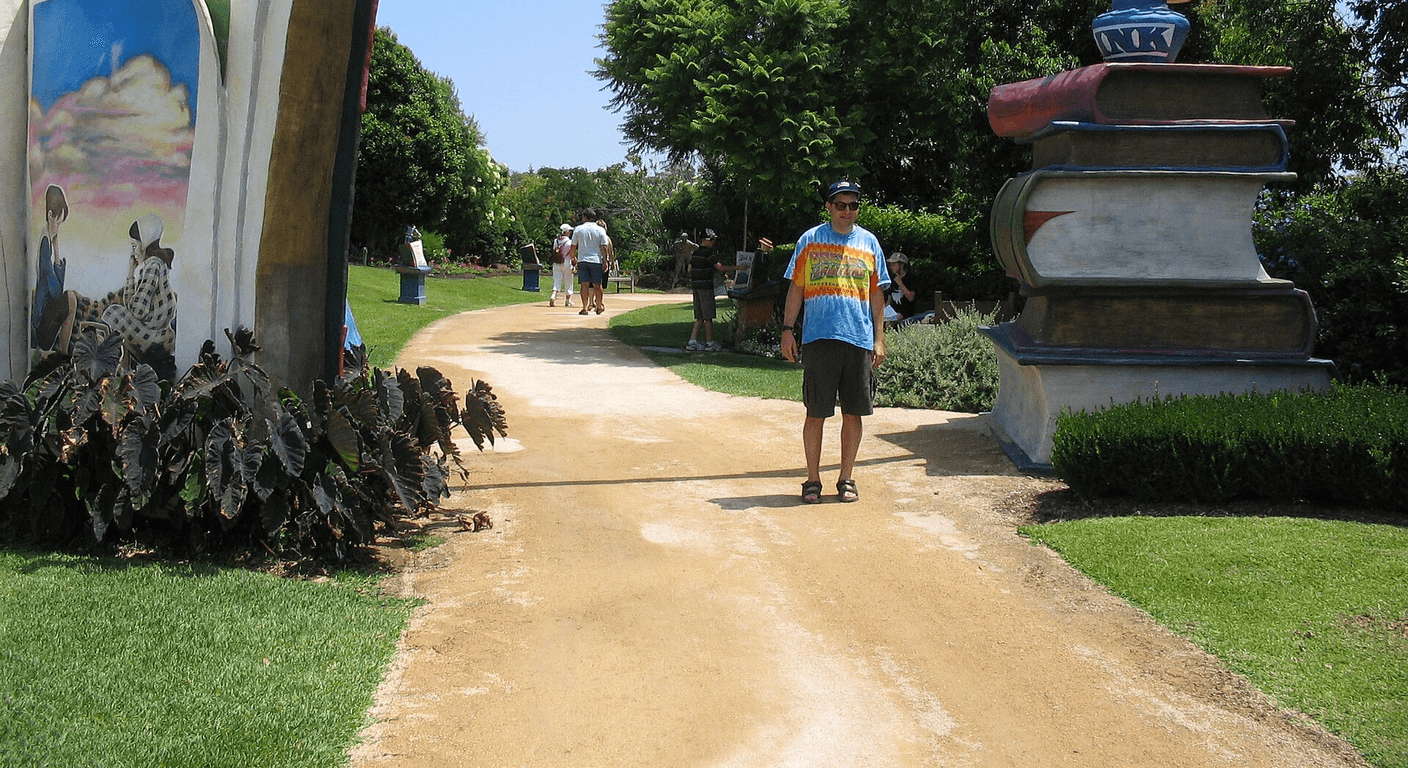
Hunter Valley Gardens is a privately owned botanic garden covering around 25 hectares in the heart of the Pokolbin wine country. It is genuinely one of the better non-drinking alternatives in the region — not a consolation prize, but a destination in its own right. The gardens are divided into themed sections: a Chinese garden, a rose garden, an Italian garden, a kitchen garden, and several others, each designed with a different character. The paths are mostly paved or compacted gravel, and the terrain is relatively flat, which makes it manageable for visitors with moderate mobility.
Entry is around $25 to $30 per adult, indicative only — confirm current pricing at huntervalleygardens.com.au. The gardens are open daily, and the on-site café provides a reasonable lunch option. For a travel companion who does not drink, or for a morning activity before the cellar doors open, the gardens offer a couple of hours of easy, pleasant walking without the need to pace yourself around alcohol. They also provide a useful anchor point on the hop-on-hop-off bus circuit, since many operators include a gardens stop.
The gardens also host a Christmas lights event in the winter months (June to August in the Hunter) which draws visitors from across New South Wales, so if you are travelling outside of those dates you will find the site quieter and more relaxed. The surrounding precinct includes a small shopping village and several accommodation options, which makes it a convenient base if you want to be within easy walking distance of one central hub rather than relying on transport for every movement.
Where should you stay for an overnight visit?
An overnight stay transforms a Hunter Valley trip from a rushed day out into something that actually lets you settle in. The accommodation in the valley covers a broad range, from self-contained cottages on vineyard properties to larger resort-style hotels. For couples, a vineyard cottage or a studio suite within a winery complex tends to offer the most atmosphere — you can sit on a veranda at the end of the day without needing to go anywhere at all.
At the more comfortable end of the market, Crowne Plaza Hunter Valley and Château Élan at The Vintage are two well-known resort properties with pools, restaurants, and the kind of facilities that make a two-night stay feel properly restorative. Indicative rates at these properties run from roughly $250 to $450 per night for a standard room, depending on season — confirm current pricing directly with each property, as rates vary considerably. For those who prefer a quieter, more personal setting, the Hunter Valley has a well-developed network of boutique B&Bs and self-contained cottages; the Hunter Valley Wine Country Tourism website lists current options.
Accessibility is worth raising directly with any property before you book. Most of the larger resorts have accessible rooms and step-free common areas, but boutique cottages and heritage properties vary significantly. A quick phone call to confirm bathroom configuration, bed height, and parking proximity can save a lot of difficulty on arrival. Travelling as a couple, the self-contained cottage format works well because it gives you a kitchen for a simple breakfast and the flexibility to set your own pace in the morning without waiting on a dining room.
What does a Hunter Valley trip cost, and how do you plan it sensibly?
For Victorian travellers, the baseline cost starts with flights from Melbourne to Sydney. Return fares on the major carriers vary considerably with timing and booking lead time, but indicative economy fares sit somewhere in the range of $180 to $350 per person return — always confirm current fares directly with airlines, as pricing changes frequently. From there, a Murrays coach transfer to Cessnock adds roughly $30 to $50 per person each way, or a guided day tour from Sydney that includes transport and lunch runs from around $180 to $250 per person, indicative only.
Accommodation for two nights in the valley adds a further $250 to $450 per night depending on the property type, and a hop-on-hop-off bus pass for one day is around $95 to $115 per person. Cellar-door tastings are often free or a few dollars per person, with some estates charging $10 to $15 for a formal tasting flight. A long lunch at a winery restaurant will typically run $60 to $90 per person for two courses with a glass or two of wine. Altogether, a two-night trip for two people from Melbourne is realistically in the range of $1,800 to $2,800 all in — these are rough indicative figures only, and actual costs will depend on timing, choices, and what is included in any packages you select.
The practical advice is to book accommodation and any guided tours well ahead of your travel dates, particularly if you are visiting on a weekend or during a long weekend. The Hunter Valley is popular with Sydney day-trippers and weekenders, and the better winery restaurants fill quickly. A Tuesday to Thursday visit will generally be quieter, easier to book, and more relaxed in pace — which suits the kind of trip that most travellers in this age group are looking for.
Key takeaways
- The Hunter Valley's hop-on-hop-off wine bus services mean every person in your group can taste freely without anyone nominating as the driver.
- Murrays Coaches connects Sydney to Cessnock, making the Hunter Valley accessible without a hire car for travellers flying in from Victoria.
- Hunter Valley Gardens is a flat, well-paved 25-hectare botanic garden that works as a genuine standalone destination for non-drinkers or as a morning activity before cellar doors open.
- Winery restaurants at estates like Audrey Wilkinson and Bimbadgen are designed around a two-hour lunch — booking ahead is essential, particularly on weekends.
- A two-night stay is the minimum that allows a relaxed pace; self-contained vineyard cottages suit couples who want flexibility in the morning without waiting on a dining room.
- A full two-night trip from Melbourne for two people is indicatively in the range of $1,800 to $2,800 all in — always confirm current costs directly with airlines, operators, and accommodation providers.
Recommended partners and links
Indicative prices only — always confirm with the operator before booking.
Frequently asked questions
Can you visit Hunter Valley wineries without hiring a car?
Yes. Hop-on-hop-off wine bus services operate daily through the main Pokolbin cellar-door area, and several operators offer private driver-guide services for couples or small groups. Coach transfers from Sydney to Cessnock are available through Murrays Coaches. A hire car is not necessary for a well-planned visit.
How long does it take to get to the Hunter Valley from Sydney?
By road or coach, the Hunter Valley is roughly two to two-and-a-half hours north of Sydney's CBD, depending on traffic and the specific route. From Newcastle, the journey is around 45 minutes by car.
What is there to do in the Hunter Valley if you do not drink?
Hunter Valley Gardens is a well-maintained 25-hectare botanic garden with themed sections, a café, and mostly flat, paved paths. It is open daily and is a genuine destination rather than a backup option. Several winery restaurants also welcome non-drinking visitors for lunch, and the broader Pokolbin area has a small shopping village and spa facilities at some of the larger resorts.
Are Hunter Valley cellar doors accessible for people with limited mobility?
Accessibility varies between properties. Larger estates and resort-based cellar doors generally have step-free access and accessible parking, while smaller boutique producers may have uneven terrain or steps. It is always worth calling ahead to confirm access before you visit, particularly if you have specific mobility requirements.
Is the Hunter Valley worth an overnight stay rather than just a day trip?
For travellers who want to visit more than two or three cellar doors and enjoy a proper long lunch, an overnight stay makes a meaningful difference. It removes the pressure of fitting everything into one day and allows for a more relaxed morning at the accommodation before heading out. Most of the better winery restaurants are at their best when you have time to linger.
Got a tip, a price update or a story from this route? The community would love to hear it.
Share your views on our Facebook page— Seniors and Solo Traveller Stories