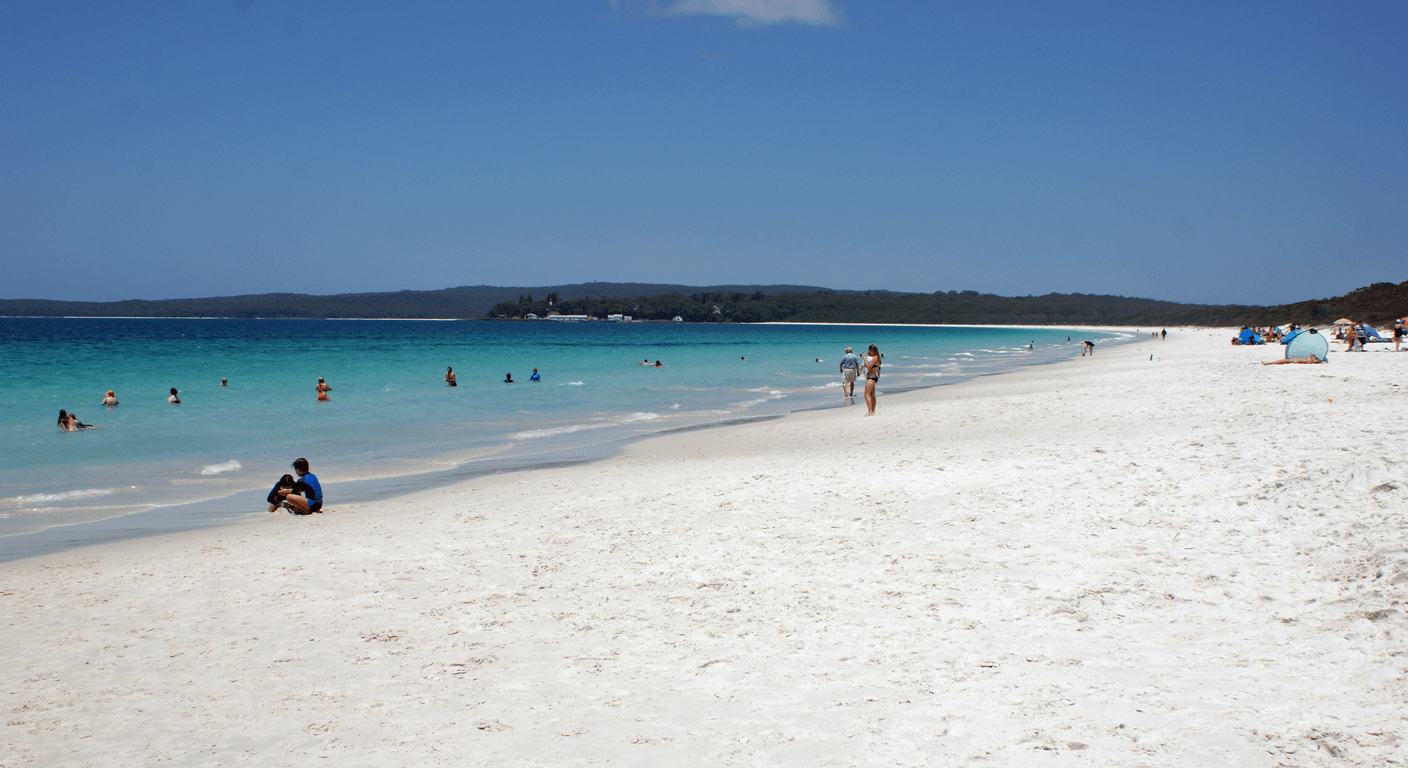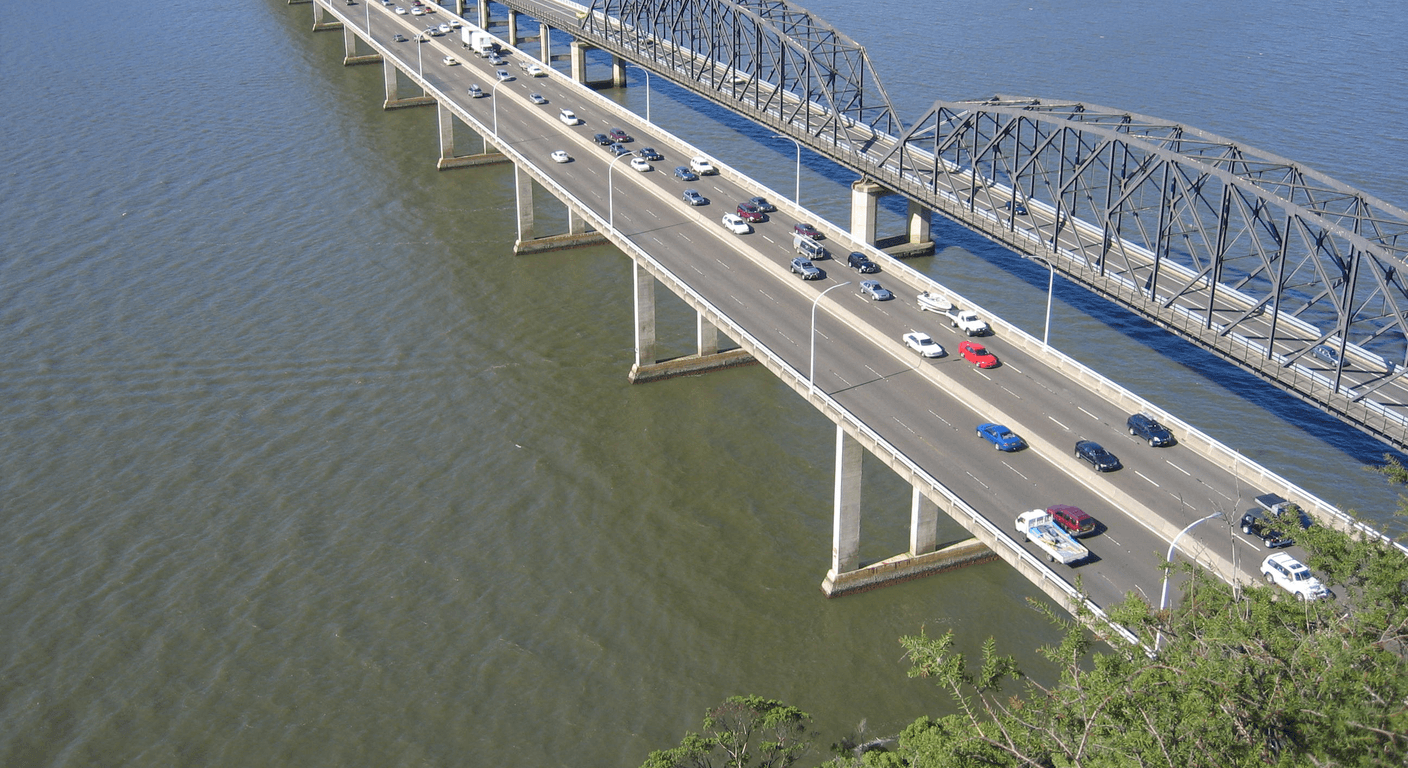
The Hawkesbury River in New South Wales offers one of Australia's most relaxed multi-night boating experiences, and no boat licence is required to hire a houseboat. For a group of women in their sixties travelling from regional Victoria, it combines genuine slow travel — winding sandstone gorges, quiet coves, and riverside villages — with the comfort of a self-contained floating home. This guide covers how to get there from Victoria, how hire houseboats actually work, what to pack, and which villages are worth mooring near for a meal.
Why the Hawkesbury suits over-50s travelling as a group
The Hawkesbury River runs roughly 120 kilometres through a drowned sandstone valley northwest of Sydney, and it moves slowly. That is precisely the point. A houseboat holiday here is not about covering distance — it is about finding a quiet cove by mid-afternoon, sitting on the deck with a glass of something cold, and watching a pelican work the shallows. For a group of women in their sixties who have done enough rushing, that pace is a feature, not a compromise.
The river suits a group trip particularly well because a houseboat is essentially a shared holiday house that moves. Everyone has their own bunk or cabin depending on the vessel size, there is a communal kitchen and living area, and the cost divides across the group in a way that makes it genuinely affordable compared to booking multiple hotel rooms for several nights. Hiring a vessel that sleeps six or eight for a group of four or five also means nobody is sharing a bed and there is room to spread out.
From regional Victoria, the Hawkesbury is an interstate trip that feels like a proper adventure without being exhausting to reach. The main hire bases — Brooklyn on the lower river, and Wisemans Ferry further upstream — are both accessible from Sydney, which is well-connected by train from Melbourne. You do not need to fly, and you do not need to drive the full distance yourself.
Do you need a boat licence to hire a houseboat on the Hawkesbury?
No boat licence is required to operate a hire houseboat on the Hawkesbury River in New South Wales. Operators provide a full briefing before you leave the dock — typically one to two hours — covering how to steer, how to read river markers, how to moor safely, and how to operate the onboard systems. This is not a cursory five-minute chat; reputable operators take the handover seriously because it protects both you and the boat.
The vessels are designed to be driven by people with no prior boating experience. They are wide, flat-bottomed, and relatively slow — most travel at a walking pace or a gentle jog at most. You cannot capsize them in normal river conditions. Steering is straightforward once you understand that a houseboat responds slowly and you need to plan your turns well ahead. The briefing will cover this, and most people feel confident within the first hour on the water.
What you do need is at least one person in the group who is comfortable taking responsibility for the vessel and who can absorb the operator's instructions carefully. It helps to designate a primary driver and one backup. NSW Maritime rules apply on the river, and operators will explain the relevant ones — speed limits near other vessels and the bank, no-wake zones, and how to handle the radio if needed. Confirm all licence and briefing requirements directly with your chosen operator before booking, as requirements can be updated.
Getting to Brooklyn or Wisemans Ferry from regional Victoria
The most straightforward route from regional Victoria is to take the train to Melbourne and then the overnight XPT or a daytime NSW TrainLink service to Sydney Central. From Sydney, Brooklyn — the lower Hawkesbury hire base — is roughly an hour's drive north via the Pacific Motorway, or you can take a train from Central to Hawkesbury River station (on the Central Coast line) and arrange a short taxi or rideshare transfer to the Brooklyn marina. Check current timetables and connections at nswtrainlink.info and transportnsw.info.
Wisemans Ferry is less easily reached by public transport and is better suited to groups who are hiring a car in Sydney or who have driven from Victoria. It sits about 75 kilometres northwest of Sydney via the Old Northern Road — a scenic drive through the Hawkesbury district that takes around 90 minutes from the city. If the group wants to avoid driving altogether, Brooklyn is the more accessible base.
Those who prefer to drive from regional Victoria directly can reach Brooklyn in roughly nine to ten hours from, say, Ballarat or Bendigo, with a rest stop in Albury and another near Goulburn. It is a long day and worth breaking into two with a night in Albury or Canberra. Driving does give you the flexibility to load the car with provisions before boarding, which is genuinely useful — more on that below.
How do hire houseboats work, and what do they cost?
Hire houseboats on the Hawkesbury are fully self-contained. They have a kitchen with a stove, fridge, and basic cookware; a bathroom with a toilet and shower; sleeping berths or cabins; a living area; and an outdoor deck, which is where most of the day is spent. Linen is usually provided, though confirm this with your operator. Fuel is either included in the hire price or metered — ask specifically, because on a multi-night trip the fuel bill can add up if you are motoring a lot.
Indicative pricing for a vessel sleeping six to eight people runs roughly from $800 to $1,500 per night depending on season, vessel age, and operator. A four-night midweek hire in the off-peak season (autumn or winter, when the Hawkesbury is still very pleasant) could come to roughly $3,500 to $5,500 for the whole boat — confirm all current pricing directly with operators before making any decisions, as rates change. Split across five women, that is a meaningful but not outrageous cost per person for four nights of accommodation and transport combined.
Most operators require a security bond held on your credit card, and some have a minimum hire period — often three or four nights. Weekends and school holiday periods attract higher rates and book out well ahead. A midweek autumn trip is often the sweet spot for price, availability, and weather. The Hawkesbury in April and May is warm enough for deck sitting, cool enough for comfortable sleeping, and quieter than the summer rush.
Honest notes on accessibility: steps, toilets, and getting aboard
Houseboats are not flat-access vessels. Getting aboard typically involves stepping from a dock or gangplank onto the rear deck, which may involve a step up or down of 30 to 50 centimetres depending on the water level and mooring. Inside, some vessels have a raised step between compartments, and bunks in the sleeping cabins may require climbing. If anyone in the group has significant knee or hip limitations, it is worth calling the operator directly and asking which of their vessels has the most level layout and the lowest step heights — operators are generally used to this question and can advise honestly.
Toilets on hire houseboats are marine-style and require a specific flushing technique — the operator will explain this at the briefing. They work reliably when used correctly, but they are not identical to a household toilet, and there is a learning curve of about five minutes. The holding tank is managed by the operator; you do not need to deal with it yourself on a standard hire. Showers are compact but functional. Warm water availability depends on the vessel's water heater system — again, ask the operator about this specifically.
Mooring in a cove overnight is peaceful but does involve anchoring or tying off, which the briefing covers. Getting on and off the boat in a cove rather than a designated marina may mean stepping onto a bank or using a small ladder, so wear shoes with grip. For a group that is reasonably mobile and not reliant on walking aids, none of this is a barrier — it is just worth knowing before you arrive so nobody is caught off guard.
Which riverside villages are worth mooring near for dinner?
The Hawkesbury has a handful of small towns and villages accessible by water or a short walk from a mooring point. Wisemans Ferry has a historic pub — the Wisemans Ferry Inn — that has been serving travellers since the nineteenth century and offers meals in a setting that feels genuinely old-world. You can moor at the public pontoon nearby and walk up. It is not a fancy restaurant, but the food is solid, the setting is distinctive, and the history of the place adds something to a meal.
Windsor and Richmond are further upriver and more accessible by road than by water for most hire itineraries, but if your operator's territory extends that far, Windsor's town centre has cafes and the historic Macquarie Arms Hotel worth seeing. The Hawkesbury Heritage Centre in Windsor is also worth a short visit if the group has an interest in colonial history and the river's early European settlement.
For those on the lower river out of Brooklyn, the small community of Dangar Island is a short ferry ride from the Brooklyn marina and has a relaxed cafe culture and no cars — a genuinely quiet spot for a morning coffee before boarding. The town of Brooklyn itself has a cluster of seafood restaurants and casual eateries along the foreshore, making it a good place for a meal the night before you set off or after you return the vessel. Berowra Waters, accessible mid-river, is a well-known stop with a waterfront inn; confirm current trading days before planning a meal there, as regional hospitality venues sometimes adjust their hours.
Packing and provisioning: what to bring and how to stock the galley
Provisioning the houseboat before you leave the dock is one of the practical pleasures of this style of trip. Most operators are near a supermarket — Coles and Woolworths are accessible in nearby towns — so the approach most groups take is to shop the day before or the morning of departure and load up with four or five days of groceries. Plan meals loosely but realistically; the kitchen is compact and you will not want to be cooking elaborate dinners every night. Simple one-pot meals, good bread, local cheeses, fruit, and a couple of bottles of wine per night tend to work well.
Bring more layers than you think you need, especially for autumn and winter trips. The river valley can be warm in the afternoon sun and noticeably cool once the sun drops behind the sandstone walls, particularly on the lower river where the gorge is deeper. A lightweight down jacket, a warm fleece, and a broad-brimmed hat for daytime sun cover most conditions. Deck shoes or sandals with grip are more useful than thongs, which are slippery on wet fibreglass.
Other useful items: a good portable speaker for deck evenings, binoculars for birdwatching (the river has kingfishers, sea eagles, and black cockatoos in good numbers), a waterproof bag for phones and cameras when mooring in a cove, sunscreen in quantity, and a small first aid kit with any personal medications clearly labelled. Phone reception on the river is patchy in places — download offline maps and any entertainment you want in advance. Most vessels do not have reliable wifi, and that, for many people, turns out to be one of the best things about the trip.
Key takeaways
- No boat licence is required to hire a houseboat on the Hawkesbury River — operators provide a full briefing before departure.
- A vessel sleeping six to eight people costs indicatively $800 to $1,500 per night depending on season and operator; confirm current pricing directly.
- Brooklyn is the most accessible hire base for travellers arriving by train from Sydney, with Hawkesbury River station nearby.
- Autumn midweek trips offer the best combination of lower prices, availability, and comfortable river weather.
- Houseboats involve steps and compact marine toilets — calling operators ahead to ask about vessel layouts is sensible for anyone with mobility considerations.
- Wisemans Ferry Inn and Berowra Waters are the standout mooring stops for a meal with genuine Hawkesbury character.
Recommended partners and links
Indicative prices only — always confirm with the operator before booking.
Frequently asked questions
Do you need a boat licence to drive a houseboat on the Hawkesbury River?
No boat licence is required to hire and operate a houseboat on the Hawkesbury River in NSW. Operators provide a mandatory briefing of one to two hours before you leave the dock. Confirm current requirements with your chosen operator, as rules can change.
How much does it cost to hire a houseboat on the Hawkesbury River?
Indicatively, a houseboat sleeping six to eight people costs roughly $800 to $1,500 per night, depending on the operator, vessel, and time of year. A four-night midweek hire in the off-peak season might total $3,500 to $5,500 for the whole vessel. Always confirm current pricing directly with operators before booking.
How do you get to Brooklyn or Wisemans Ferry from Melbourne or regional Victoria?
The most straightforward option is to take the train to Melbourne and then a NSW TrainLink service to Sydney Central. From Sydney, Brooklyn is about an hour's drive north, or reachable by train to Hawkesbury River station on the Central Coast line followed by a short taxi transfer. Wisemans Ferry is better suited to those hiring a car in Sydney, as it is less accessible by public transport.
Are Hawkesbury River houseboats accessible for older travellers with limited mobility?
Houseboats involve steps when boarding and may have raised thresholds between interior spaces. They are manageable for most reasonably mobile travellers, but anyone with significant knee or hip limitations should call operators directly to ask which vessels have the most level layouts and lowest step heights. Operators are used to this question and can give honest guidance.
What is the best time of year for a Hawkesbury River houseboat holiday?
Autumn (March to May) is widely considered the most comfortable season — warm days, cool evenings, and quieter waterways compared to summer. Winter is mild on the Hawkesbury but can be cold on deck after dark. Summer is popular but busier and hotter. Midweek bookings in the off-peak season also tend to attract lower rates.
Got a tip, a price update or a story from this route? The community would love to hear it.
Share your views on our Facebook page— Seniors and Solo Traveller Stories