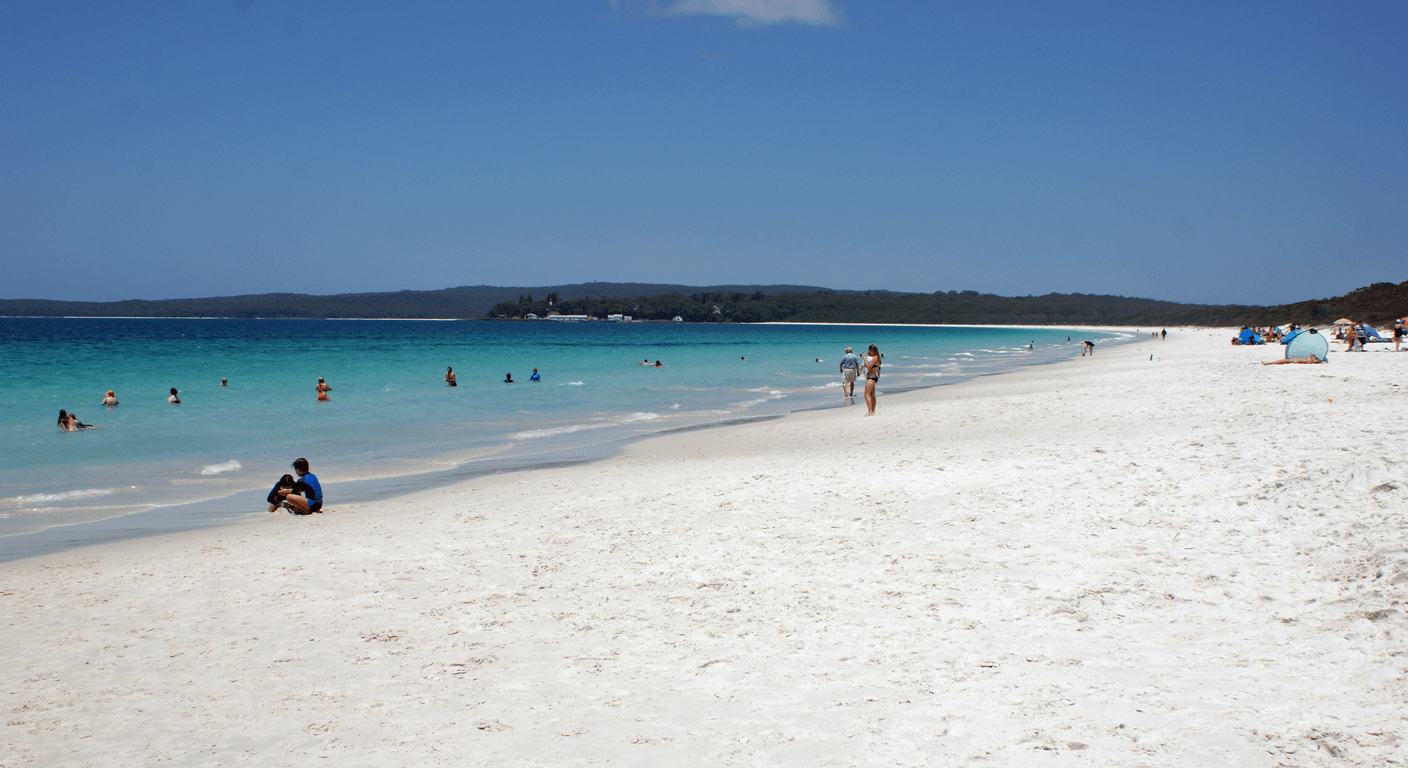
Ningaloo Reef in Western Australia offers something genuinely rare: a coral reef you can walk into directly from the beach, no boat required. For travellers over 60, it combines accessible shore snorkelling with the option of guided whale shark swim tours running roughly March to July each year. Exmouth is the practical base, reachable by flight from Perth or a long drive up the coast.
Why Ningaloo deserves serious attention as a reef destination
The Great Barrier Reef gets most of the attention, but Ningaloo has a practical advantage that matters enormously for older travellers: in many sections, the reef runs close enough to shore that you can wade in from the beach. No tender boat, no ladder, no current-fighting entry. Turquoise Bay, arguably the most celebrated spot on the reef, sits within Cape Range National Park and requires nothing more than a short walk across sand.
Ningaloo stretches roughly 300 kilometres along the North West Cape of Western Australia, and it earned UNESCO World Heritage listing in 2011. The water clarity is exceptional, the coral is in strong condition relative to many other reef systems, and the marine life — turtles, rays, reef sharks, and a vast range of fish — is present in numbers that consistently reward a slow, unhurried swim. For a traveller who has done the Barrier Reef circuit before, Ningaloo feels quieter, less commercialised, and in some ways more intimate.
The reef's proximity to shore also means you control the pace. You can snorkel for twenty minutes, rest on the beach, go back in. That rhythm suits older bodies well. There is no pressure to keep up with a group or stay in the water longer than is comfortable.
Shore snorkelling at Ningaloo: what to expect without a boat
Turquoise Bay is the entry point most guides recommend, and for good reason. The bay has two sections: a calm southern end suitable for a straightforward snorkel, and a drift section where a gentle current carries you along the reef's edge. The drift can be enjoyable but does require reasonable swimming confidence and the ability to exit before a rocky point. If that sounds uncertain, stick to the southern end — the coral and fish life there are still genuinely rewarding.
Oyster Stacks, a short drive north of Turquoise Bay within the national park, is popular with snorkellers who want dense coral close to the surface in very shallow, calm water. Entry is over some rock, so appropriate footwear matters. The site can be crowded in peak season, but mornings tend to be quieter. Lakeside, also within the national park, offers another calm-water option with good turtle sightings reported regularly.
A Parks Australia day-use pass is required to enter Cape Range National Park, and fees apply per vehicle. Confirm current fees at parksaustralia.gov.au before you go. The road into the park is sealed and manageable in a standard hire car, though some of the more remote sites require a four-wheel drive. For the main snorkelling beaches, a two-wheel drive is fine.
Swimming with whale sharks: what the experience actually involves
Whale sharks visit Ningaloo's waters reliably between roughly mid-March and late July each year, drawn by coral spawning events. They are the world's largest fish — typically eight to ten metres on a Ningaloo encounter — and they are filter feeders, entirely harmless to swimmers. The experience of being in the water alongside one is genuinely unlike anything else available in Australian waters.
A licensed day tour typically departs Exmouth marina in the morning, travels out by boat, and uses a spotter aircraft to locate whale sharks. When one is found, small groups of six to eight swimmers enter the water and snorkel — not dive — alongside the animal for a series of passes. You need to be a competent snorkeller and comfortable in open water. You do not need to be a strong swimmer, but you do need to keep pace with the shark, which moves at a steady, moderate speed. Most operators use fins and provide instruction.
Tours run around eight hours in total. There is sun exposure, boat movement, and significant physical demand in the water. Most reputable operators require participants to complete a medical declaration form before booking. This is worth taking seriously. Conditions such as heart disease, recent surgery, uncontrolled hypertension, and certain respiratory conditions may be grounds for the operator declining participation, or for your doctor advising against it. Consult your GP before booking, not after.
Medical honesty: what older travellers need to consider before booking a tour
The whale shark operators at Ningaloo are professional and safety-conscious, and their medical declaration forms reflect genuine risk assessment rather than box-ticking. If you have cardiovascular concerns, a history of serious respiratory issues, or have had significant surgery in the past year, have an honest conversation with your GP before committing to a tour deposit. Most operators also advise that participants be able to swim continuously for at least 200 metres.
Seasickness is a real factor. The vessel travels some distance offshore and the open water can be choppy, particularly in the early season. If you are susceptible to motion sickness, discuss options with your doctor and consider appropriate medication taken well before departure. Eating a light breakfast on tour day is generally recommended by operators.
None of this is meant to discourage. Many travellers well into their seventies complete these tours without difficulty and consider it a highlight of their travelling life. The point is simply to go in with clear information, not optimism alone. If the full whale shark tour feels like too much, manta ray snorkel tours — which operate on smaller, calmer vessels closer to shore — are available through the same operators and offer a comparable sense of wonder with less physical demand.
Exmouth as your base: practical logistics for the trip
Exmouth is a small town of around 3,500 people, purpose-built to service the North West Cape. It has a reasonable range of accommodation — from caravan parks and self-contained apartments to mid-range motels — along with supermarkets, medical services, and a handful of good restaurants. It does not have the resort infrastructure of Cairns or the Whitsundays, which suits travellers who prefer a quieter base. Book accommodation well ahead if you are travelling during the whale shark season, particularly around school holidays.
The nearest commercial airport is Learmonth, about 37 kilometres south of Exmouth. Qantas operates services connecting to Perth, from where eastern states travellers transit. From Melbourne, expect a total travel time of roughly six to eight hours including the Perth connection, depending on layover. Jetstar also services the Perth to Learmonth route periodically — check current schedules at qantas.com.au and jetstar.com. A hire car is essentially essential once you arrive, as there is no meaningful public transport serving the national park beaches.
Driving from Perth is an option some travellers choose deliberately, particularly those who want to explore the Coral Coast along the way — Kalbarri, the Pinnacles, Shark Bay, Carnarvon. The distance from Perth to Exmouth is around 1,270 kilometres, typically done over two or three days with overnight stops. It is a long drive on good sealed roads, but manageable for a couple sharing the driving. The Overlander Roadhouse and Carnarvon are common overnight stops.
How Ningaloo compares to the Great Barrier Reef for older travellers
Both are extraordinary reef systems, and comparing them directly is a little unfair to each. But for a traveller weighing up which to prioritise, a few practical differences are worth noting. The Barrier Reef, particularly in the Cairns and Whitsundays region, is heavily boat-dependent — the reef is offshore, and day tours involve considerable vessel travel. Ningaloo's shore-accessible snorkelling is a genuine point of difference for anyone who finds extended boat travel tiring or uncomfortable.
Ningaloo is also considerably less crowded. The town of Exmouth does not have the tourist volume of Cairns, and the national park beaches, while popular in season, rarely feel overwhelmed. For a traveller who values a quieter experience, that matters. The trade-off is that Ningaloo has less in the way of organised tourism infrastructure — fewer guided experiences beyond water-based tours, fewer restaurant options, and a more self-sufficient character to the trip.
The whale shark experience is specific to Ningaloo in Australian waters — there is no equivalent on the Barrier Reef. If that is the primary draw, the decision is straightforward. If you are interested in a broader reef holiday with more supporting amenity, the Barrier Reef's established tourism network may suit better. Many travellers over 60 who have done both tend to describe Ningaloo as the more personal and less transactional of the two.
Planning your Ningaloo trip: timing, costs, and a few honest caveats
The whale shark season — roughly mid-March to late July — is the primary draw for most visitors, and it coincides with the most comfortable weather on the North West Cape. Temperatures are warm rather than oppressive, and the humidity is manageable. Outside this window, Ningaloo is still worth visiting for snorkelling, fishing, and humpback whale watching (typically July to October), but the marquee experience is the whale shark encounter.
Indicative costs for a whale shark day tour run around $400 to $500 AUD per person as of recent seasons, but prices vary by operator and season — confirm directly. Flights from Melbourne to Learmonth return can range considerably depending on timing and how far in advance you book; allow for a rough indicative budget of $500 to $900 per person return as a planning figure, and check current fares on the airline websites. Accommodation in Exmouth during peak whale shark season runs roughly $150 to $280 per night for a self-contained unit or mid-range motel room, indicative only.
One honest caveat worth noting for travellers based in Victoria: Ningaloo is a long way from home, and the logistics require more planning than a domestic east-coast trip. That is not a reason to avoid it — it is simply a reason to plan the trip properly, confirm your fitness with your GP if you intend to do the whale shark tour, and give yourself enough days to rest and acclimatise rather than rushing the experience.
Key takeaways
- Ningaloo Reef can be entered directly from the beach at sites like Turquoise Bay — no boat required for shore snorkelling.
- Whale shark swim tours operate roughly mid-March to late July each year out of Exmouth, with licensed operators using spotter aircraft to find the animals.
- Operators require a medical declaration; consult your GP before booking if you have cardiovascular, respiratory, or post-surgical concerns.
- Exmouth is the practical base — a hire car is essential, and accommodation should be booked well ahead during whale shark season.
- Flying from Melbourne involves a Perth connection to Learmonth Airport; the drive from Perth is around 1,270 kilometres and takes two to three days.
- Ningaloo is less crowded and less boat-dependent than the Great Barrier Reef, which makes it a strong alternative for older travellers who want a quieter pace.
Recommended partners and links
Indicative prices only — always confirm with the operator before booking.
Frequently asked questions
Do you need to be a strong swimmer to do a whale shark tour at Ningaloo?
You need to be a competent, confident snorkeller who can swim continuously for around 200 metres in open water. Whale sharks move at a steady pace and participants must keep up for repeated passes alongside the animal. You do not need to be an athlete, but this is not suitable for non-swimmers or anyone uncomfortable in open ocean conditions.
What are the medical requirements for whale shark tours at Ningaloo?
Licensed operators require participants to complete a medical declaration form. Conditions including heart disease, uncontrolled high blood pressure, recent surgery, and serious respiratory illness may result in the operator declining participation. Travellers over 60 are strongly advised to discuss the tour with their GP before booking, as the physical demands are real and the medical screening is taken seriously by operators.
Can you snorkel at Ningaloo Reef without joining a tour?
Yes. Several beaches within Cape Range National Park — including Turquoise Bay, Oyster Stacks, and Lakeside — allow independent shore snorkelling with no tour required. A Parks Australia day-use pass is needed to enter the national park. A hire car is necessary to reach these sites from Exmouth.
How do you get from Melbourne to Exmouth for a Ningaloo trip?
The most practical route is a flight from Melbourne to Perth, then a connecting flight to Learmonth Airport, which is 37 kilometres south of Exmouth. Total travel time is typically six to eight hours including the connection. Driving from Perth to Exmouth is around 1,270 kilometres and is usually done over two to three days with overnight stops along the Coral Coast.
When is the best time of year to visit Ningaloo Reef?
The whale shark season runs roughly mid-March to late July, which also coincides with the most comfortable weather on the North West Cape — warm days and manageable humidity. Humpback whale watching extends from around July to October. Shore snorkelling is possible year-round, though summer months from November to February bring high heat and the risk of cyclones.
Got a tip, a price update or a story from this route? The community would love to hear it.
Share your views on our Facebook page— Seniors and Solo Traveller Stories