The Flinders Ranges in South Australia offer one of the most rewarding outback experiences available to older travellers, with sealed roads reaching deep into the ranges, lodge-based accommodation, and genuine natural grandeur that does not require a tent or a four-wheel drive. For a group of women travelling together from regional Victoria, this is a trip worth the planning — ancient geology, wide-open skies, and a pace that suits people who know how to travel well. This guide covers getting there from Victoria, where to stay, how to see Wilpena Pound without a hard hike, and what to budget.
Why the Flinders Ranges Works So Well for Older Travellers
The Flinders Ranges have a reputation for being rugged, and they are — but rugged does not have to mean inaccessible. The main route from Adelaide to Wilpena Pound follows sealed roads almost the entire way, the resort at Wilpena sits in a proper valley setting with solid infrastructure, and the landscape is dramatic enough that you do not need to walk far to feel genuinely immersed in it. For a group of women who want real outback character without sleeping on the ground, this ticks nearly every box.
What makes this destination particularly well-suited to the over-50 traveller is the combination of scale and stillness. The colours of the quartzite ranges shift through the day — rusty orange at dawn, deep ochre by afternoon — and you can take that in from a verandah, a short flat walk, or a small plane. The experience does not depend on your fitness level. That said, the remoteness is real, and this guide is honest about what that means for planning.
Travelling as a group of friends adds a layer of pleasure to this kind of trip. Costs share more easily, the drive is more enjoyable with company, and there is genuine safety in numbers in a remote area. The Flinders Ranges rewards people who are curious about deep time — the geology here is among the oldest visible on Earth — and that curiosity tends to deepen with age.
Getting There from Victoria: Drive, Fly, or a Combination?
From regional Victoria — say, Ballarat, Bendigo, or the Loddon Mallee region — the most practical approach is to drive or fly to Adelaide first, then continue north into the ranges. Adelaide is roughly a five-to-seven-hour drive from most of regional Victoria, or a short flight from Melbourne Tullamarine or Avalon. From Adelaide, the Flinders Ranges are a further four-to-five hours' drive north via the Princes Highway and then the Barrier Highway through towns like Crystal Brook, Port Pirie, and Quorn.
The drive from Adelaide to Wilpena Pound is entirely sealed and passes through several pleasant country towns where you can stop, stretch, and refuel. Quorn is a particularly good lunch stop — it has a heritage feel and a handful of cafes and pubs. Hawker, closer to Wilpena, is the last town with a petrol station before the resort, and filling up there is non-negotiable. The resort itself has limited fuel available but at premium outback prices, so plan accordingly.
For those who prefer to fly, Rex Airlines operates regional services into outback South Australia, and it is worth checking whether there are connections to the Hawker area that suit your dates. Flying into Adelaide and then hiring a car for the drive north is the most flexible option for a group — it lets you travel at your own pace and make stops along the way. If driving from Victoria, consider breaking the journey with a night in Adelaide or the Clare Valley, which reduces fatigue and turns the trip into a more enjoyable progression rather than a slog.
Wilpena Pound: What Is It, and How Do You Actually See It?
Wilpena Pound is a natural amphitheatre — a vast, roughly oval-shaped basin ringed by quartzite ridgelines — and it is the centrepiece of Ikara-Flinders Ranges National Park. The name 'Ikara' comes from the Adnyamathanha people, the Traditional Owners of this country, and means 'meeting place of the fingers' — a reference to the way the ridges converge. The park has deep cultural significance, and the resort offers guided cultural experiences that give genuine context to what you are seeing.
The most accessible way to appreciate the scale of Wilpena Pound is from the air. The resort operates scenic flights that take small groups over the pound and the surrounding ranges, giving you a sense of the full formation that is simply impossible from ground level. Flights run for varying durations and the views are genuinely extraordinary — this is one of those experiences where the cost feels entirely justified. Mobility is not a barrier here; you board a small plane, sit comfortably, and the landscape does the work.
On the ground, there are walking options to suit a wide range of fitness levels. The flat walk from the resort visitor centre to the Pound's natural entrance gap is around 3.5 kilometres each way on a well-maintained track, and it gives you a real sense of the vegetation and birdlife inside the basin. For those who prefer a shorter outing, the area immediately around the resort has easy interpretive walks and viewing points. The visitor centre itself — run by the Ikara-Flinders Ranges National Park — has good displays on the geology and Adnyamathanha culture that are worth spending time with before you head out.
Where to Stay: Lodge and Resort Options That Suit a Group
Wilpena Pound Resort is the obvious base and genuinely the most convenient option. It sits just outside the national park boundary and offers a range of room types from standard motel-style units to safari tents and cabins. For a group, booking connecting rooms or a multi-bedroom option is worth discussing directly with the resort. The on-site restaurant serves three meals a day, there is a bar and pool, and the setting — surrounded by ranges on all sides — is hard to beat. Booking well ahead is sensible, particularly for peak season (April through October) when the weather is at its best.
Hawker, about 53 kilometres south of Wilpena, has a small selection of motel and caravan park accommodation that can work as a base for day trips into the park, though you will be driving each day. The Hawker Motel and a handful of self-contained cottages are worth investigating for groups who want a quieter, more budget-conscious option. Quorn, further south again, has accommodation including the historic Quorn Mill Hotel, which has been restored and offers character lodging with a pool.
The key point for any group planning this trip is to confirm accessibility of your specific room type before booking. Steps at entrances, shower configurations, and bed heights vary between properties, and the resort's own reservations team can advise honestly if you ask directly. Most of the main accommodation options in the region are ground-floor or have lift access to upper floors, but it is always worth verifying.
Honest Notes on Remoteness, Fuel, and Health Preparedness
The Flinders Ranges are genuinely remote. That is part of their appeal, but it also means practical planning matters more than it would on a trip to, say, the Mornington Peninsula. Mobile phone coverage is limited to patchy coverage in Hawker and at the resort; beyond that, you should not rely on your phone. The resort has wi-fi (though not fast) and landline communication, and the national park has emergency facilities, but the nearest major hospital is in Port Augusta, roughly 140 kilometres south of Hawker.
Before you travel, it is worth ensuring your travel insurance covers remote areas and any pre-existing conditions, and that each person in the group has an adequate supply of any regular medication — pharmacies in the region are limited. If anyone in the group uses mobility aids or has specific medical equipment needs, contact the resort in advance to confirm what can be accommodated. The resort staff are experienced with a wide range of guests and genuinely helpful when contacted directly.
Fuel planning cannot be overstated. Fill up in Port Augusta or Quorn before heading to Hawker, and fill up again in Hawker before heading to Wilpena. Carry a little extra water than you think you need, particularly in shoulder seasons when temperatures can spike unexpectedly. None of this is meant to be alarmist — thousands of visitors, including many older travellers, visit the Flinders Ranges each year without incident. It simply means arriving prepared, which is what experienced travellers do anyway.
What Does It Cost? Indicative Budget for a Group of Four
Costs for a trip like this vary considerably depending on how you get there, where you stay, and how long you go for. As a rough indicative guide for a group of four women travelling from regional Victoria: a return flight to Adelaide from Melbourne is typically somewhere in the range of $150–$350 per person depending on timing and airline, though fares change constantly and you should check directly. Car hire in Adelaide for a standard SUV — comfortable for four people with luggage on outback roads — runs roughly $80–$150 per day indicative, with fuel on top. Confirm current rates with major hire companies at Adelaide Airport.
Accommodation at Wilpena Pound Resort runs roughly $200–$350 per room per night indicative for standard options, so a group sharing two rooms over, say, four nights would be budgeting for a meaningful accommodation spend. Meals at the resort restaurant are priced at outback-tourist levels — expect to pay roughly $25–$40 per person for dinner indicative. The scenic flight is an additional cost of roughly $200–$280 per person indicative depending on duration. A national park pass for the vehicle is required to enter Ikara-Flinders Ranges National Park; check the South Australian National Parks and Wildlife Service for current fees.
All figures here are indicative and intended only to help with rough planning. Prices change, seasons affect rates, and the best approach is always to confirm current costs directly with each provider before committing. A five-to-seven-day trip for four people, including flights from Melbourne, car hire, accommodation, meals, and the scenic flight, could realistically total somewhere in the range of $3,500–$5,500 per person all up — but that range is wide for good reason, and your actual costs will depend on the choices you make.
Making the Most of the Trip: Cultural Experiences and Pacing
The Adnyamathanha people have lived in and around the Flinders Ranges for tens of thousands of years, and their connection to the landscape gives the place a depth that geology alone cannot. The resort offers guided cultural tours led by Adnyamathanha guides, and these are genuinely worth prioritising over a second scenic drive. Hearing the stories associated with specific rock formations, waterholes, and plants changes the way you see everything around you for the rest of the trip.
Pacing is everything in outback travel, and this is somewhere that experienced travellers instinctively get right. Plan your active time — walks, flights, guided tours — for early morning and late afternoon when the light is extraordinary and the temperature is manageable. The middle of the day is for sitting in the shade, reading, talking, having a long lunch. The Flinders Ranges are not a place to rush, and they reward people who slow down.
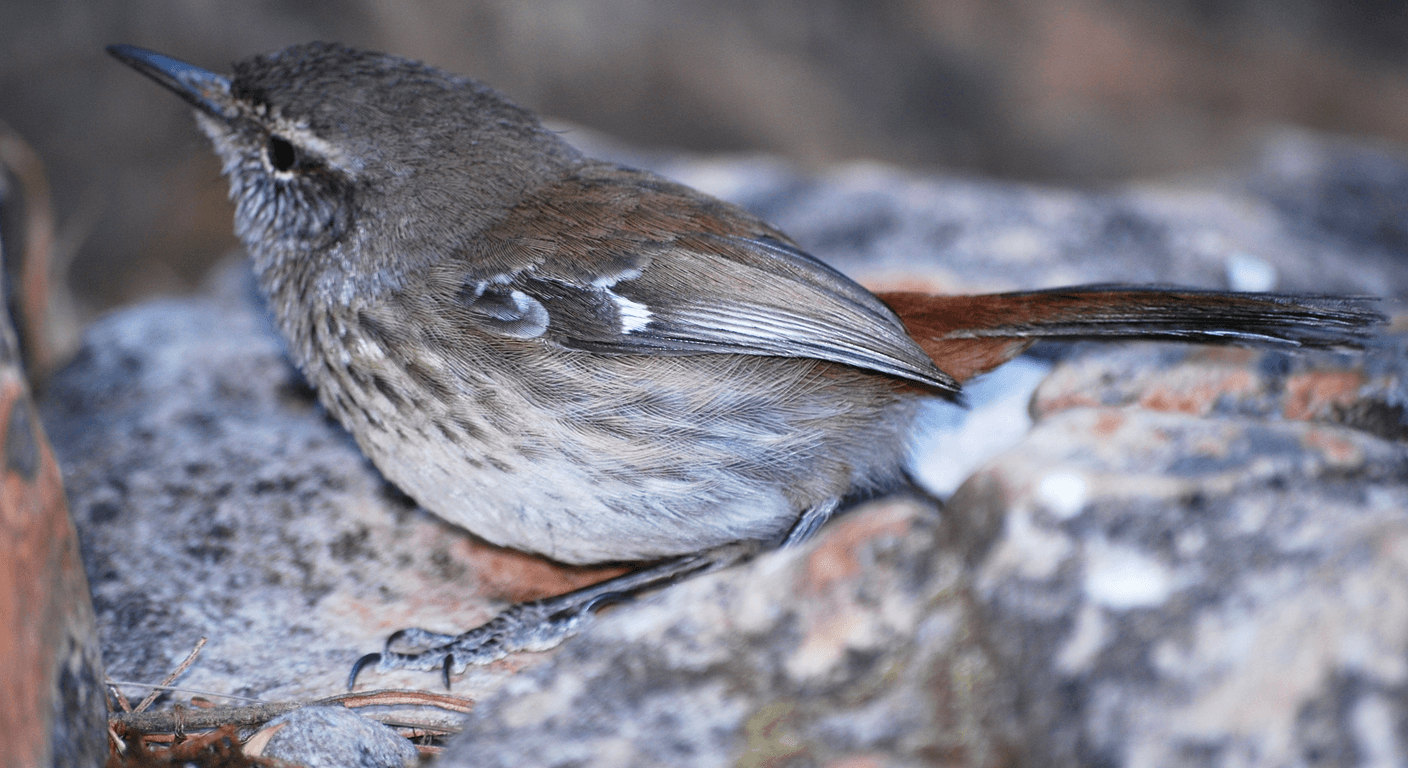
The birdlife in the ranges is exceptional, particularly around waterholes in the morning. Yellow-footed rock-wallabies are regularly seen on the rocky slopes, and emus wander through the resort grounds with cheerful indifference to guests. A small pair of binoculars adds significantly to the experience and takes up almost no room in a bag. The night skies here, far from city light pollution, are also remarkable — on a clear night, the Milky Way is visible in a way that many people have simply never seen before.
Key takeaways
- Sealed roads reach Wilpena Pound Resort, making the Flinders Ranges accessible without a four-wheel drive or off-road experience.
- A scenic flight over Wilpena Pound is the most accessible way to grasp the scale of the formation, with no walking required.
- Hawker is the last reliable fuel stop before Wilpena Pound — filling up there is essential.
- Mobile phone coverage is limited beyond Hawker; travel insurance covering remote areas is strongly recommended.
- Wilpena Pound Resort offers lodge-style rooms, on-site dining, and guided cultural experiences led by Adnyamathanha guides.
- The best weather window for the Flinders Ranges is April through October, when temperatures are cooler and conditions are most comfortable.
Recommended partners and links
Indicative prices only — always confirm with the operator before booking.
Frequently asked questions
Do you need a four-wheel drive to visit the Flinders Ranges?
No. The main route from Adelaide to Wilpena Pound Resort is sealed all the way, and a standard two-wheel drive car is sufficient for visiting the resort, the national park visitor centre, and the accessible walking tracks. A four-wheel drive opens up more remote tracks within the park, but it is not necessary for a comfortable visit centred on Wilpena Pound.
Is Wilpena Pound suitable for travellers with limited mobility?
Yes, to a meaningful degree. The scenic flight requires only the ability to board a small aircraft, and the visitor centre and resort grounds are largely flat and accessible. Some walking tracks are graded and well-maintained, though surfaces vary. Contact Wilpena Pound Resort directly before booking to discuss your specific needs, as staff can advise on the most suitable room types and experiences.
How far is the Flinders Ranges from Adelaide?
Wilpena Pound is approximately 430 kilometres north of Adelaide by road, which is roughly a four-to-five-hour drive on sealed roads. Most visitors break the journey with a stop in Quorn or Hawker. The drive passes through the southern Flinders foothills and offers its own scenic interest along the way.
What is the best time of year to visit the Flinders Ranges?
April through October is generally considered the best period, with cooler daytime temperatures and comfortable evenings. Summer (December through February) brings intense heat that makes outdoor activity difficult and can be genuinely risky for older travellers. Winter nights can be cold, so pack layers if you travel June through August.
Is there medical or emergency support available near Wilpena Pound?
The nearest hospital with significant facilities is in Port Augusta, approximately 140 kilometres south of Hawker. The resort has first aid and emergency communication, and the national park has ranger support, but the region is remote. Travellers are advised to carry adequate medication, ensure travel insurance covers remote areas, and inform someone of their travel plans before departing.
Got a tip, a price update or a story from this route? The community would love to hear it.
Share your views on our Facebook page— Seniors and Solo Traveller Stories