Canberra's world-class national galleries and the alpine scenery of the Snowy Mountains sit just two hours apart by road, making them a natural pairing for a long weekend. This guide is written for Victorian men in their late 60s travelling solo, though the itinerary suits anyone who wants substance over spectacle — real culture, real landscape, and a pace that doesn't leave you exhausted by Sunday. Expect honest notes on driving, costs, accessibility, and what to do if the mountain weather turns.
Why Canberra and the Snowy Mountains Work Together
Canberra gets written off by travellers who equate it with politicians and roundabouts, but that misses the point entirely. The national capital holds an extraordinary concentration of free world-class institutions — galleries, museums, archives and memorials — that you could spend a week inside without repeating yourself. For a solo traveller who values quiet, well-curated spaces and the ability to move at his own pace, Canberra is close to ideal.
What makes the pairing with the Snowy Mountains work is geography. Jindabyne, the main service town for the alpine region, sits roughly 200 kilometres south of Canberra's city centre — around two to two-and-a-half hours by car depending on conditions. That means you can spend a full day absorbing the galleries, sleep in Canberra, then drive south the next morning and be walking beside Lake Jindabyne or riding the Thredbo chairlift before lunch.
The two regions feel genuinely different. Canberra is ordered, deliberate, and indoors-focused. The Snowy Mountains are the opposite — open, weathered, and contingent on the sky. Putting them back to back in a long weekend gives the trip a satisfying shape, and means you are not spending three days doing the same thing.
Getting There from Victoria: Driving vs Flying
From Melbourne, Canberra is roughly 650 kilometres by road — a seven-to-eight hour drive if you push through, which is not a sensible plan for a solo traveller in his late 60s. A far better approach is to break the journey overnight in a town like Albury or Gundagai, both of which have decent mid-range accommodation and make the drive manageable across two comfortable days. Alternatively, fly from Melbourne Tullamarine or Avalon to Canberra Airport — Rex and Qantas both operate the route — and hire a car at the Canberra end.
Hiring a car in Canberra gives you the flexibility to drive to Jindabyne without being locked into a tour schedule. The route south follows the Monaro Highway (Kings Highway is the other option via the coast, but it is longer for the mountains). The Monaro Highway is well-maintained, passes through Cooma, and is straightforward driving in dry conditions. Budget for the hire car carefully — daily rates vary widely and are best confirmed directly with operators at Canberra Airport.
If driving is not on the table, there are coach connections from Canberra to Cooma and Jindabyne operated by Greyhound and regional services, and some seasonal shuttle services operate during winter ski season. Check current timetables at greyhound.com.au and with Snowy Mountains Tourism, as off-season services are reduced. V/Line (vline.com.au) can get you from Melbourne to Albury by train, from where you would need a connecting service or hire car.
Day One: Canberra's Cultural Precinct at Your Own Pace
The institutions clustered around Lake Burley Griffin are the reason most people visit Canberra, and rightly so. The National Gallery of Australia (nga.gov.au) is the obvious anchor — the permanent collection is free, and the transformed Indigenous Galleries are genuinely significant, not just in scale but in how they handle the material. Allow at least three hours here, and consider booking a ticketed exhibition if one appeals. The gallery has accessible entrances, lifts throughout, and a good café for a mid-morning break.
A short walk or a quick drive across the lake brings you to the National Museum of Australia (nma.gov.au), which covers the country's social and cultural history in an accessible, often surprising way. Entry to the permanent galleries is free. For something more reflective, the Australian War Memorial (awm.gov.au) sits at the northern end of Anzac Parade and is one of the most carefully considered memorial spaces in the country. It is a substantial visit — emotionally and physically — so factor that in if you are managing energy across a full day.
Canberra's café and restaurant scene has matured considerably. Braddon and NewActon are the precincts worth knowing — a short drive or taxi from the lakeside institutions. For a solo diner, sitting at a bar or counter is common and entirely comfortable here. Accommodation around the CBD and Barton runs from serviced apartments (often the better value for one person, with a kitchenette) to mid-range hotels. Indicative rates for a decent room run around $160–$250 per night, though this varies considerably by season and event calendar — always confirm directly with the property or via visitcanberra.com.au.
Day Two: The Drive South to Jindabyne and the Alpine Region
Leave Canberra after a proper breakfast rather than rushing. The drive south on the Monaro Highway passes through Cooma — worth a stop for fuel and coffee — before descending into the Snowy Mountains landscape proper. The change in scenery is gradual and then suddenly dramatic. By the time you reach the Jindabyne township and Lake Jindabyne opens up to your left, the altitude and the quality of the light feel genuinely different from the coast or the inland plains.
Jindabyne is the practical base: it has supermarkets, good accommodation options including lakeside motels and self-contained cabins, medical services, and a relaxed small-town pace that suits a solo traveller who does not need a packed social itinerary. Indicative motel rates run around $120–$180 per night in the warmer months, lower in mid-shoulder periods — confirm current pricing directly with properties or via snowymountains.com.au. The town sits at around 920 metres elevation, so evenings are cool even in summer.
From Jindabyne, Thredbo village is a further 35 kilometres along Alpine Way — a well-maintained road in summer, with some winding sections. In summer and autumn, the Kosciuszko Express chairlift at Thredbo operates for walkers and sightseers, lifting you to 1,937 metres with views across the Main Range. The walk from the top chairlift terminal to the summit of Mount Kosciuszko and back is around 13 kilometres return and is genuinely accessible for a fit older walker in good conditions — but it is a full half-day commitment at altitude, so go prepared. Parks Victoria's NSW counterpart, NPWS, manages the area; check nswnationalparks.nsw.gov.au for current conditions and the Kosciuszko National Park entry fee requirements.
Warm-Season vs Winter: What You Actually Need to Know
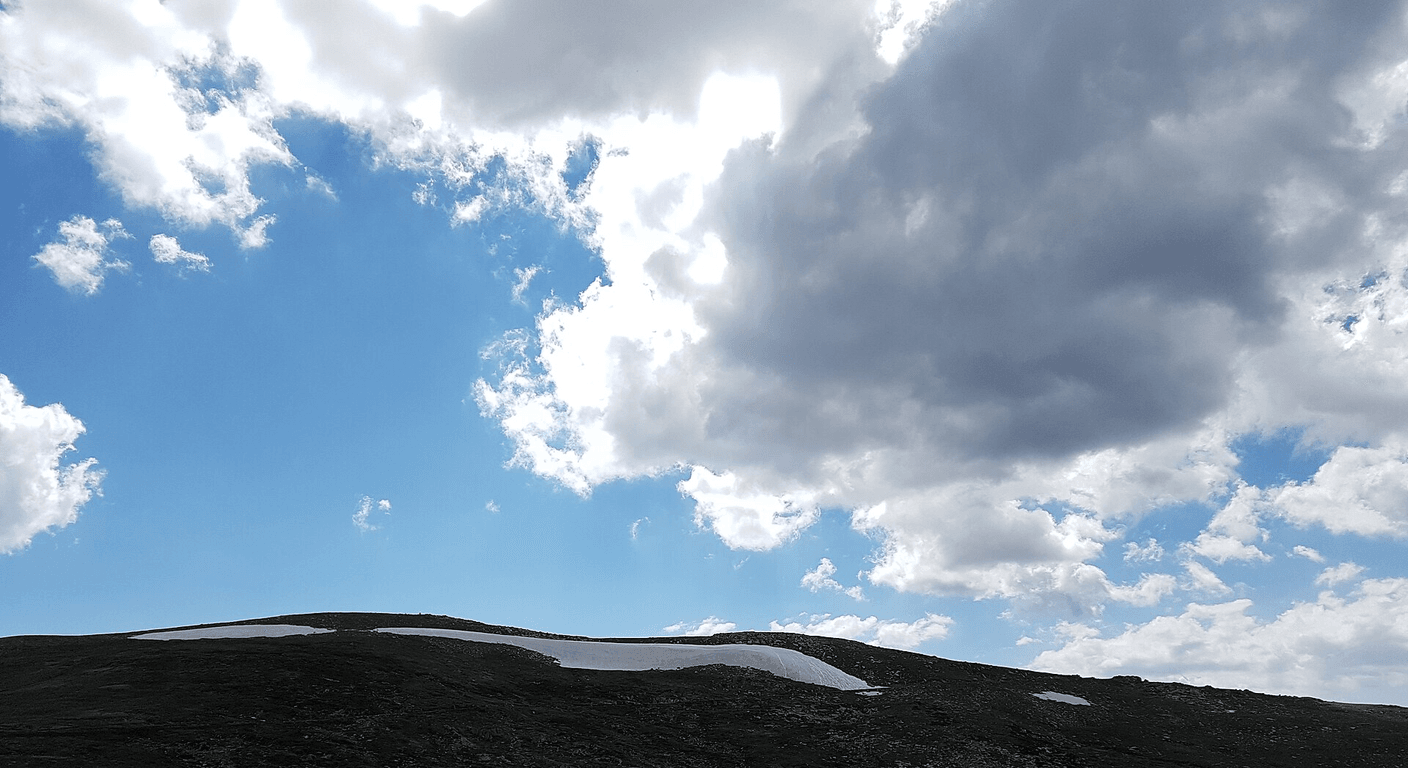
The ideal window for this two-region trip is October through April. In that period, the alpine roads are clear, the national park is accessible to regular passenger vehicles, and the landscape — wildflowers in spring, open skies and golden grass in autumn — rewards the drive. Summer days at altitude are warm but not oppressive, and the crowds are a fraction of what the ski season brings.
If you are considering the trip in winter (June through August), be direct with yourself about the road conditions. Alpine Way and the roads into Perisher and Charlotte Pass require snow chains to be carried in the vehicle during the declared winter season, and chains-on conditions are enforced without warning. Unless you are experienced with chains and comfortable driving on snow-packed roads, a winter visit is best treated as a Canberra-only trip, with the Snowy Mountains appreciated from Jindabyne itself rather than the high country. Jindabyne is accessible in winter without chains, and the lake views are striking in that season.
Winter accommodation in the ski villages (Thredbo, Perisher, Smiggin Holes) is priced for the ski market and tends to run significantly higher than the indicative summer figures above — and minimum-stay requirements are common on weekends. For a solo traveller not skiing, the better winter strategy is to base in Jindabyne or Cooma and take day trips as conditions allow. The NSW National Parks and Wildlife Service posts current road and conditions information at nationalparks.nsw.gov.au — check it the night before any alpine drive.
Accessibility and Pacing: Honest Notes
Canberra's major institutions are well set up for visitors with mobility considerations. The National Gallery, Australian War Memorial, and National Museum all have flat or ramped access, lifts, and accessible amenities. The War Memorial in particular involves a fair amount of walking if you do it thoroughly — wear comfortable shoes and know that you can sit and take your time in most galleries. The lakeside walk between institutions is pleasant but not short; a taxi or rideshare between them is a perfectly reasonable choice.
The Thredbo chairlift is the most accessible way to experience the high alpine environment without a strenuous walk. The ride itself takes around 15 minutes each way, and there are viewing platforms and shorter walks at the top that do not require you to attempt the full Kosciuszko summit route. The summit walk, while not technically difficult, involves uneven terrain and some rocky sections — assess it honestly against your current fitness and any joint issues before committing.
Driving fatigue is worth taking seriously on this trip. The total road distance from Melbourne to Canberra to Jindabyne and back involves several hundred kilometres of regional highway. Build in rest stops, do not drive after dark on unfamiliar mountain roads, and if you are travelling solo, let someone know your itinerary. A pre-trip check with your GP is sensible if you have any cardiovascular or respiratory conditions, given the altitude of the alpine region.
Budgeting the Weekend: Indicative Costs
The good news about Canberra is that the core cultural experience is largely free. The National Gallery, National Museum, and Australian War Memorial permanent collections cost nothing to enter. Ticketed special exhibitions at the gallery run around $25–$35 per adult — indicative only, confirm at nga.gov.au. The Kosciuszko National Park vehicle entry fee applies if you drive into the park; check current fees at nationalparks.nsw.gov.au as these are reviewed periodically. The Thredbo chairlift in summer runs around $49–$59 per adult return — confirm at thredbo.com.au.
Accommodation across the two nights (one in Canberra, one in Jindabyne or Cooma) might run around $300–$430 in total for mid-range options in the warmer months — highly variable by season, so treat these as rough orientation figures only. Dining solo in Canberra at a mid-range restaurant will run around $30–$55 for a main and a drink. In Jindabyne, options are more limited but perfectly adequate, and a self-contained cabin with a kitchenette lets you keep a couple of meals simple and inexpensive.
Flights from Melbourne to Canberra and back are worth comparing against the cost of two nights of accommodation en route if driving. For a solo traveller, the flight-plus-hire-car option often comes out competitive once you factor in the time and energy of the long drive. Use the airline's official sites (qantas.com, rex.com.au) and compare car hire at the airport directly with operators. Fuel for the Canberra-to-Jindabyne leg and back adds a modest but real cost — budget accordingly at current pump prices.
Key takeaways
- Canberra's permanent national collections — gallery, museum, war memorial — are free to enter and represent some of the best cultural infrastructure in the country.
- Jindabyne sits roughly two to two-and-a-half hours south of Canberra by car, making a two-region weekend genuinely feasible without rushed driving.
- October through April is the practical window for combining both regions; winter travel should be treated as Canberra-focused unless you are prepared for alpine road conditions.
- Snow chains must be carried on alpine roads during the declared winter season in Kosciuszko National Park — this is enforced, not optional.
- The Thredbo chairlift gives older travellers access to high-alpine scenery without requiring the full 13-kilometre summit walk.
- Flying Melbourne to Canberra and hiring a car is a legitimate alternative to the long drive, and worth comparing on cost and energy for solo travellers.
Recommended partners and links
Indicative prices only — always confirm with the operator before booking.
Frequently asked questions
How far is it from Canberra to Jindabyne, and how long does the drive take?
Jindabyne is roughly 200 kilometres south of Canberra's city centre via the Monaro Highway through Cooma. In clear conditions, the drive takes around two to two-and-a-half hours. The road is well-maintained in the warmer months; allow extra time in winter and check road conditions before departing.
Do you need snow chains to drive to Jindabyne in winter?
Jindabyne township itself is generally accessible without chains in winter. However, if you drive further into the national park — towards Thredbo, Perisher, or Charlotte Pass — you are required to carry snow chains during the declared winter season, and chains-on conditions can be enforced at any time. Check current road conditions at nationalparks.nsw.gov.au before any alpine drive.
Is the walk to the summit of Mount Kosciuszko suitable for a fit person in their late 60s?
The walk from the top of the Thredbo chairlift to the Kosciuszko summit and back is around 13 kilometres return at altitudes above 1,900 metres. It is not technically difficult, but involves uneven and rocky terrain and takes around four to five hours at a comfortable pace. A fit older walker in good health can manage it, but it requires honest self-assessment. Those who prefer a shorter outing can use the chairlift and walk only the first section, which still offers genuine alpine views.
Are Canberra's national institutions accessible for visitors with mobility limitations?
Yes. The National Gallery of Australia, Australian War Memorial, and National Museum of Australia all have accessible entrances, lifts, and amenities. The War Memorial involves substantial walking if visited thoroughly; seating is available throughout. Rideshare or taxis between the lakeside institutions are a sensible option rather than walking the full distance between them.
What is the best time of year for this Canberra and Snowy Mountains weekend?
October through April is the most practical window. Spring brings wildflowers to the alpine region; autumn delivers clear skies and golden tones. Summer days at altitude are comfortable rather than hot. Winter is suitable for Canberra but requires careful planning for the Snowy Mountains leg, given road conditions and the higher cost of ski-season accommodation.
Got a tip, a price update or a story from this route? The community would love to hear it.
Share your views on our Facebook page— Seniors and Solo Traveller Stories
- National Gallery of Australia — official site
- Australian War Memorial — official site
- National Museum of Australia — official site
- Visit Canberra — official tourism site
- Snowy Mountains Tourism
- Thredbo Resort — summer activities and chairlift
- NSW National Parks and Wildlife Service — Kosciuszko National Park
- V/Line — Melbourne to Albury train services