Broome sits at the edge of the Kimberley like a slow exhale — red pindan cliffs, turquoise water, and a town that has absorbed Chinese, Japanese, Malay, and Aboriginal cultures for well over a century. For over-50 travellers based in Victoria, it offers a rare combination: genuine remoteness that is still genuinely accessible, with good flights, comfortable accommodation, and Kimberley cruises that do not require a swag or a four-wheel drive. This guide covers the essentials for making Broome and the Kimberley coast a realistic, well-paced bucket-list trip.
Why Broome works so well as a gateway for over-50 travellers
The Kimberley is one of the most dramatic landscapes on earth — ancient gorges, vast tidal flats, ochre-coloured ranges — but it is also genuinely remote, and a lot of it is only accessible by serious four-wheel-drive tracks or light aircraft. Broome changes that equation. It is a proper town with a functioning airport, a range of accommodation from budget to genuinely luxurious, good medical facilities, and a walkable centre. For travellers who want to experience the Kimberley without roughing it, Broome is the sensible anchor point.
There is also the cultural texture of the town itself, which rewards a few days of unhurried exploration. Broome grew up as a pearling port, and the labour force that built it came from Japan, China, the Malay Archipelago, and Aboriginal communities across the Kimberley. That layered history is visible in the architecture of Chinatown, in the Japanese cemetery on the edge of town, and in the stories told at Pearl Luggers. For a traveller interested in something more than beaches — though the beach is genuinely exceptional — Broome delivers.
Practically speaking, the town is reasonably flat and easy to navigate on foot or by local shuttle. The main visitor precincts — Chinatown, the waterfront, and Cable Beach — are connected by a local bus service and by taxis or rideshare. Mobility considerations are worth noting: Cable Beach itself is wide, firm sand for the most part, and the camel ride operators are experienced at assisting passengers who need a little extra help mounting and dismounting. It is worth calling ahead to ask about specific needs.
When should you go? The dry season is not optional
The dry season runs from roughly May through to October, and for most over-50 travellers it should be treated as non-negotiable. The wet season (November to April) brings extreme heat regularly above 40°C, very high humidity, cyclone risk, and flooding that closes roads and cancels tours. Some Kimberley cruise itineraries do not operate at all outside the dry season. The May-to-October window offers warm, sunny days typically in the mid-20s to low 30s, low humidity, and calm seas — conditions that make the region genuinely enjoyable rather than endurance-testing.
Within the dry season, June and July are peak months and tend to have higher accommodation prices and more visitors. May and September-October can offer a slightly quieter experience while still having reliable weather. October at the tail end of the dry season can see temperatures climbing, so travellers who are sensitive to heat may prefer to aim for May through August.
It is worth noting that the dry season is also when Staircase to the Moon — a natural optical phenomenon visible from Roebuck Bay in Broome — occurs on certain evenings around the full moon from around May to October. The Tourism Broome website publishes exact dates each year. It is a genuinely atmospheric experience and one that requires no hiking or special equipment to enjoy.
Cable Beach: what to expect beyond the photographs
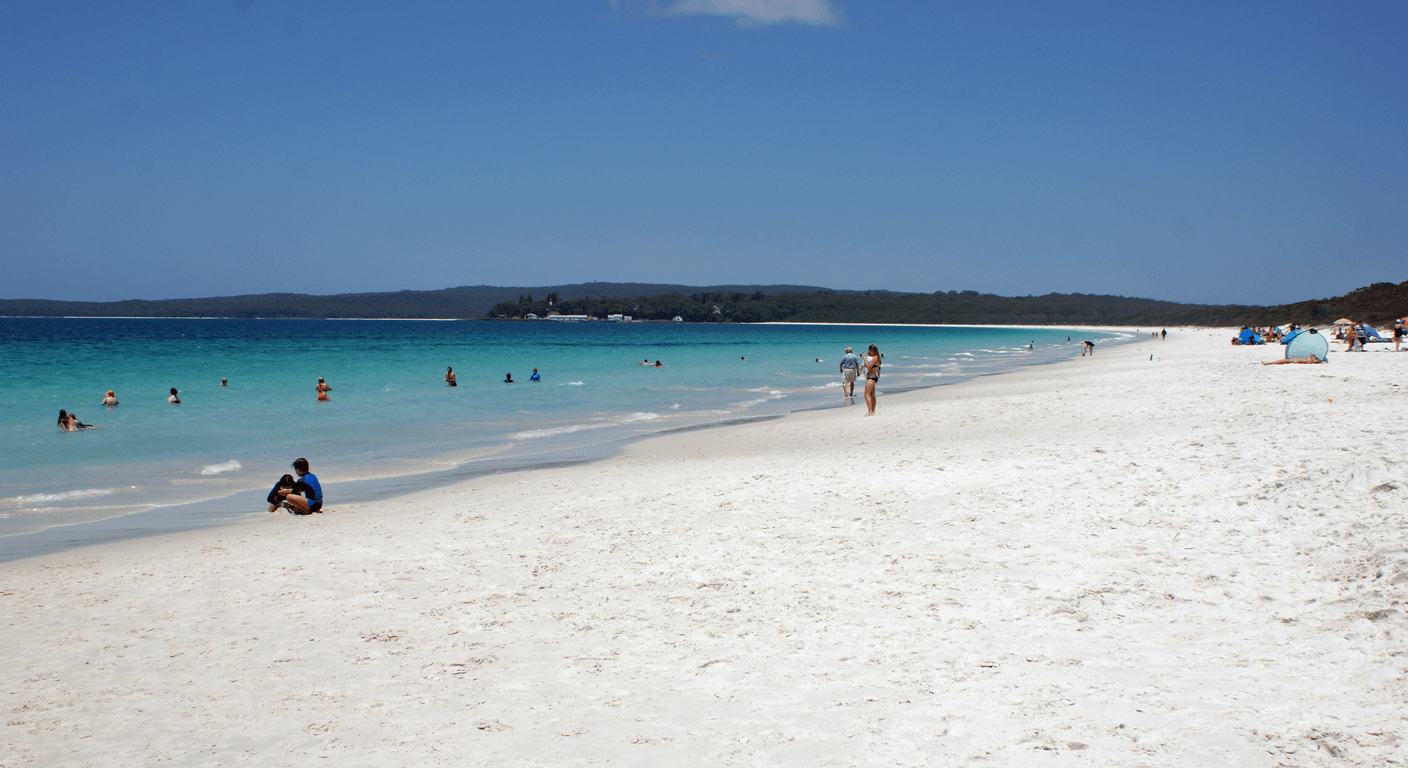
Cable Beach stretches for roughly 22 kilometres north of Broome town centre and is legitimately one of the more beautiful beaches in Australia. The colour contrast between the red cliffs at the northern end, the white sand, and the vivid blue-green of the Indian Ocean is striking in a way that photographs do not fully capture. The beach is wide and the sand is firm enough to walk on comfortably, which matters for travellers who are not looking for a workout in soft sand.
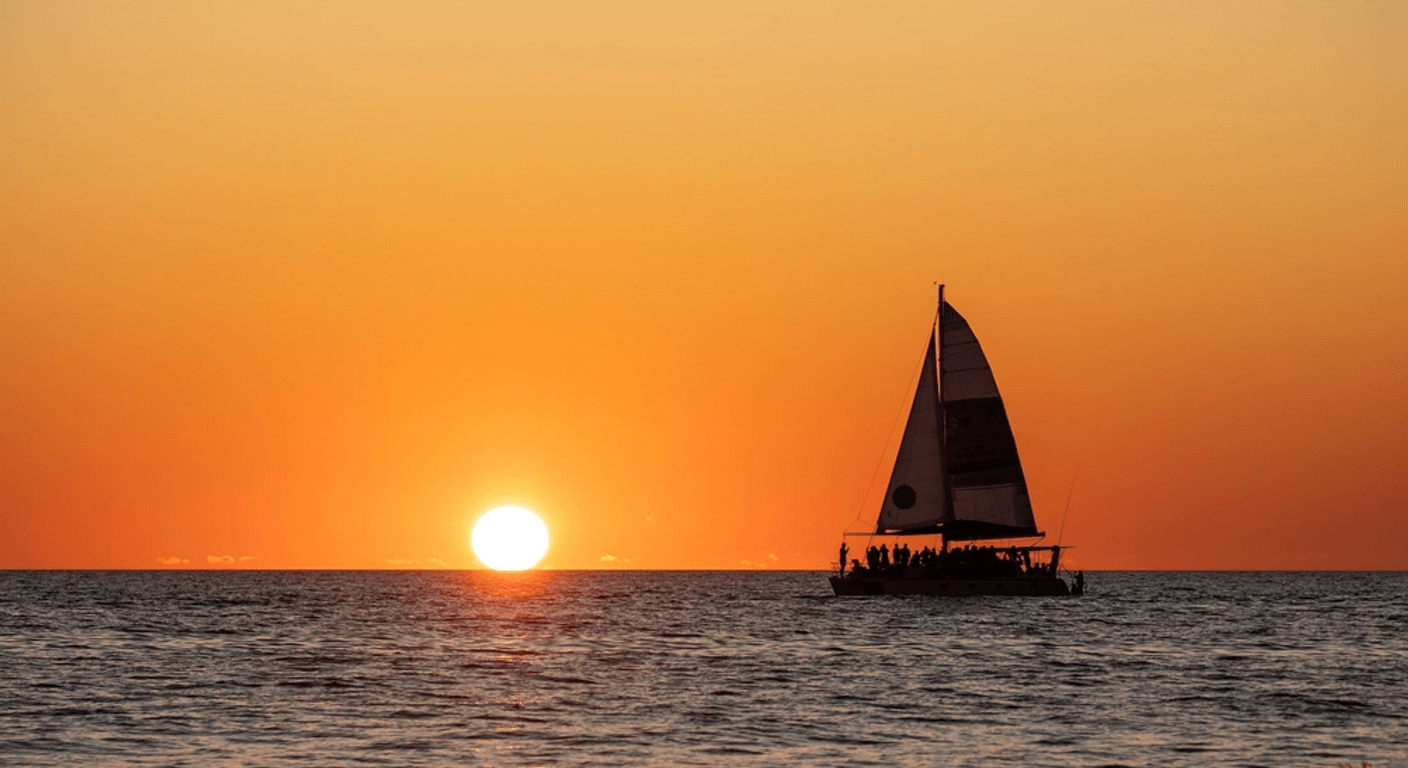
The camel rides at sunset are a centrepiece of the Cable Beach experience and are offered by a small number of licensed operators. Rides typically last around one hour, departing in the late afternoon to time the return with sunset. Prices are indicative at around $80–$120 per person — confirm current pricing with operators. The camels walk at a gentle pace and the experience is genuinely relaxed rather than adventurous. Riders sit in saddles with handles, and operators assist with mounting and dismounting, but anyone with significant hip or knee limitations should speak directly with the operator before booking.
Beyond the camel rides, Cable Beach is simply a place to sit and be. There are a handful of cafes and a resort at the beach end. The northern end of the beach (past the rocks) is clothing-optional by convention — this is clearly signposted. The main family and visitor section is the southern end, accessed from the Cable Beach Road car park, which is well-serviced and has accessible facilities.
Pearl Luggers and Broome's layered history
Pearl Luggers on Dampier Terrace in Chinatown is one of those attractions that could easily be underestimated from the outside and turns out to be one of the more genuinely absorbing things to do in Broome. The attraction centres on two restored pearl luggers — the wooden-hulled sailing vessels that worked the pearling grounds off the Kimberley coast from the late 19th century — along with a guided tour that brings the industry and its human cost into clear focus.
The pearling industry at its peak employed thousands of divers, most of them recruited or effectively pressed into service from Japan, the Philippines, Malaysia, and Aboriginal communities. The conditions were brutal, the death toll from diving accidents and cyclones was significant, and the social history of who profited and who died is told here honestly rather than sentimentally. For travellers with an interest in Australian history that goes beyond the familiar narratives, this is a rewarding couple of hours.
Broome's Japanese Cemetery, a short drive from Chinatown, is a quiet and moving complement to the Pearl Luggers visit. It holds the graves of several hundred Japanese divers who died on the pearling grounds, and it is maintained carefully. The Broome Historical Society Museum on Saville Street is another low-key but worthwhile stop for context. Neither requires significant walking or physical effort, and both are suitable for travellers with most mobility levels.
Short Kimberley cruises: seeing the coast without expedition camping
The Kimberley coast — running roughly from Broome north to the Buccaneer Archipelago and across to the Timor Sea — is one of the world's great wilderness coastlines. Horizontal Falls, the Montgomery Reef, the Lacepede Islands, and the towering red gorges of the Prince Regent River are the kinds of places that genuinely justify the phrase 'bucket list'. The traditional way to see them involved extended camping trips or live-aboard vessels aimed at serious adventurers. That has changed substantially.
A number of small-ship cruise operators now run Kimberley itineraries specifically designed for comfort-focused travellers, with en-suite cabins, air-conditioning, good food, and excursions by Zodiac or helicopter that do not require guests to sleep under canvas. Itineraries range from around 7 to 14 nights, with some shorter options. Most embark from Broome or Darwin, with Broome embarkation being the more convenient option for east-coast travellers who want to minimise connecting flights. Indicative pricing for a reputable small-ship Kimberley cruise starts at roughly $5,000 per person for a shorter itinerary and can reach $15,000 or more per person for a premium vessel and longer route — always confirm directly with operators as pricing varies considerably by season, cabin grade, and inclusions.
When comparing operators, it is worth asking specifically about cabin accessibility (step-free access to bathrooms is not universal on smaller vessels), the physical demands of Zodiac transfers (these typically involve stepping down into a small inflatable boat, which can be challenging with limited mobility), and what happens if a guest cannot participate in a particular excursion. Reputable operators will answer these questions directly and honestly. Tourism Western Australia's website is a useful starting point for finding licensed Kimberley cruise operators.
Getting to Broome from Victoria: flights and practical logistics
There are no direct flights from Melbourne to Broome at the time of writing — the standard route involves a connection through Perth, with total travel time of roughly five to seven hours depending on the connection. Qantas and Jetstar both operate Melbourne–Perth services, and Qantas operates Perth–Broome. Return airfares from Melbourne are indicative at around $600–$1,400 or more depending on the season, booking lead time, and airline — confirm current fares directly with airlines or a travel agent. Flying into the dry season peak (June–August) will generally mean higher fares.
Broome Airport is small and manageable — a relief after Perth's busy terminal. Taxis and some accommodation transfers are available from the airport. There is no train service to Broome. Hiring a car in Broome is practical if you are comfortable driving on sealed roads and want flexibility; the town itself and Cable Beach are connected by local bus services if you would rather not drive. For travellers who prefer guided movement, a number of day-tour operators run half-day and full-day tours from Broome to local sites.
Accommodation in Broome ranges from caravan park cabins and self-contained apartments through to resort-style hotels. The Cable Beach Club Resort and Spa is a well-known option at the higher end; there are also numerous self-contained apartment complexes around Chinatown and the town beach area that suit longer stays. Indicative accommodation costs in the dry season peak run from around $150–$200 per night for a comfortable self-contained unit to $350 or more per night for resort accommodation — confirm current rates directly with properties as Broome prices fluctuate considerably by season.
Pacing the trip: how long to allow and what to combine
A minimum of four to five nights in Broome allows time to explore the town properly, do the Cable Beach sunset and camel ride, visit Pearl Luggers and the Japanese Cemetery, and have a day or two to simply sit still — which is genuinely part of the Broome experience. If a Kimberley cruise is part of the itinerary, adding the cruise duration on top of Broome time means a trip of at least ten to fourteen days in total, which is realistic for a bucket-list journey of this kind.
Some travellers choose to combine Broome with a few days in Perth on either end, which works well and adds minimal complexity. Perth has good flight connections from Melbourne, comfortable accommodation, and its own set of worthwhile experiences — the Art Gallery of Western Australia, the Perth Cultural Centre, and day trips to the Swan Valley or Rottnest Island among them. A Perth stopover also provides a buffer if a flight connection is delayed.
For travellers who find extended heat difficult, building in rest days and choosing accommodation with good air-conditioning is important. The dry season in Broome is warm rather than brutal, but afternoon temperatures in the high 30s are possible even in the cooler months. Starting outdoor activities in the morning, resting through the middle of the day, and timing Cable Beach for late afternoon is a sensible pattern that most experienced Broome visitors fall into naturally.
Key takeaways
- Broome is the most accessible entry point to the Kimberley, with comfortable accommodation, a walkable centre, and direct connections to Kimberley cruise operators.
- The dry season from May to October is essential — the wet season brings extreme heat, humidity, cyclone risk, and widespread tour cancellations.
- Cable Beach camel rides at sunset are gentle, assisted experiences suitable for most mobility levels, but operators should be contacted directly about specific needs.
- Pearl Luggers in Chinatown offers an honest, absorbing account of Broome's multicultural pearling history and is one of the most worthwhile few hours in town.
- Small-ship Kimberley cruises now cater specifically to comfort-focused travellers with en-suite cabins and Zodiac excursions — no camping required.
- Allow at least four to five nights in Broome alone, and budget ten to fourteen days total if combining the town with a Kimberley cruise itinerary.
Recommended partners and links
Indicative prices only — always confirm with the operator before booking.
Frequently asked questions
Is Broome suitable for over-50 travellers with limited mobility?
Broome town itself is relatively flat and accessible, with taxis, local buses, and some accessible accommodation options. Cable Beach has firm sand suitable for walking. Kimberley cruise accessibility varies by vessel — ask operators specifically about cabin step-free access and the physical demands of Zodiac transfers before booking.
What is the best time of year to visit Broome?
The dry season from May to October is the only practical time for most visitors. June, July, and August are peak months with reliable weather and cooler temperatures. May and September offer a quieter experience while still having stable conditions. The wet season (November to April) brings extreme heat, high humidity, and cyclone risk.
How do you get from Melbourne to Broome?
There are no direct flights from Melbourne to Broome. The standard route connects through Perth, with Qantas and Jetstar operating Melbourne–Perth services and Qantas operating Perth–Broome. Total travel time is roughly five to seven hours depending on the connection. Confirm current fares and schedules directly with airlines.
Do Kimberley cruises require camping or serious physical fitness?
Not all of them. A number of small-ship operators run Kimberley itineraries with en-suite cabins, air-conditioning, and Zodiac or helicopter excursions that do not involve camping. However, Zodiac transfers do require stepping into a small inflatable boat, which can be physically demanding. Ask operators directly about mobility requirements before booking.
How much does a trip to Broome cost for over-50 travellers?
Costs vary widely. Indicative return airfares from Melbourne are roughly $600–$1,400 or more depending on timing. Comfortable self-contained accommodation runs around $150–$200 per night in peak dry season, with resorts higher. A Kimberley small-ship cruise adds roughly $5,000–$15,000 or more per person. All figures are indicative — confirm current pricing directly with airlines, accommodation providers, and cruise operators.
Got a tip, a price update or a story from this route? The community would love to hear it.
Share your views on our Facebook page— Seniors and Solo Traveller Stories