The Barossa Valley sits about an hour from Adelaide, and for over-50s who want a proper cellar-door day without anyone drawing the short straw on driving, there are small-group tours and private driver services that handle the logistics entirely. This guide covers how to pace a tasting day sensibly, which wineries suit a longer, leisurely lunch, and where the valley's German-heritage bakeries offer a worthwhile break from the glass. It is written with Victorian travellers in mind — people flying or training into Adelaide and wanting a well-organised day out in one of Australia's best-known wine regions.
Why the Barossa Works So Well for an Over-50s Day Out
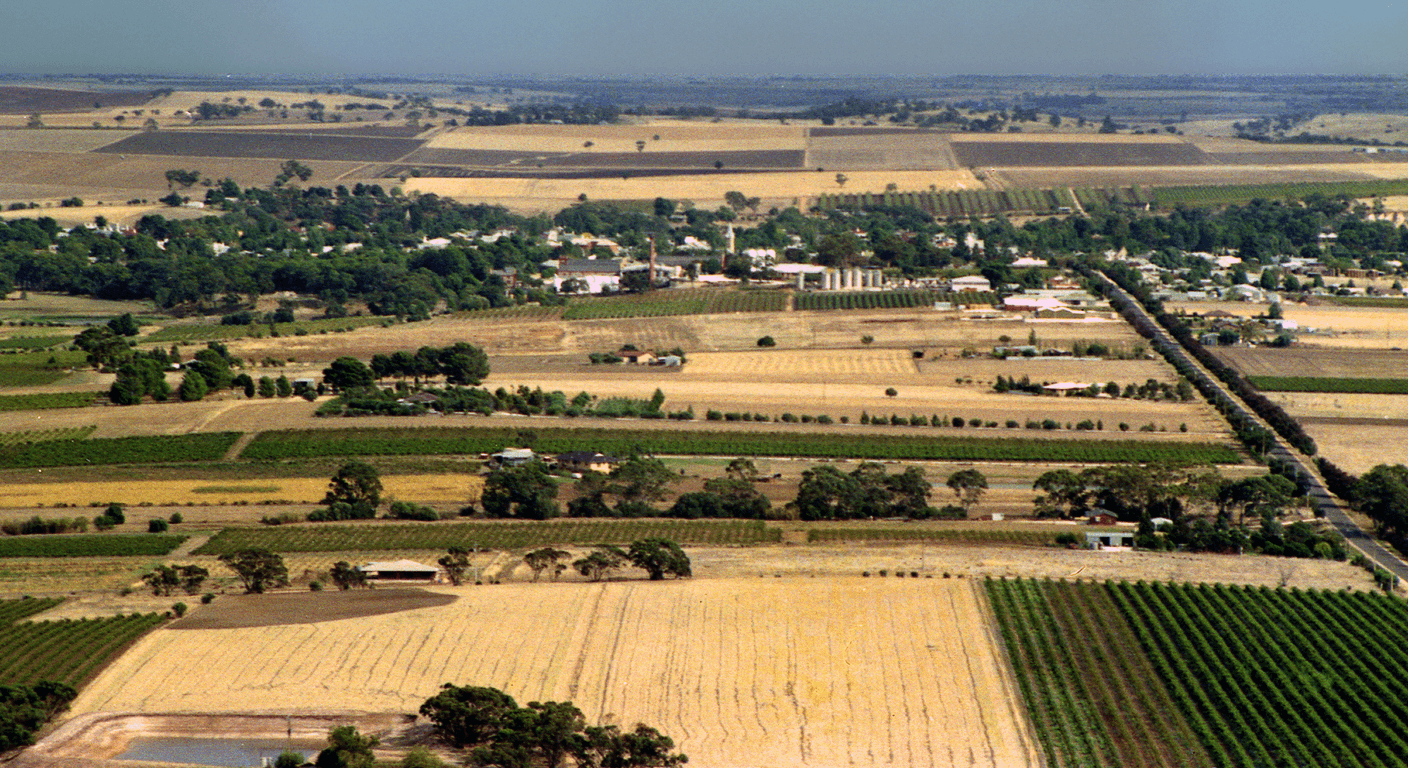
The Barossa Valley is compact in a way that surprises people who have not been before. The main towns — Tanunda, Nuriootpa, and Angaston — are close enough that a well-planned day can take in three or four cellar doors, a long lunch, and a stop at a bakery, without anyone feeling rushed or exhausted. For a traveller in their sixties or seventies, that manageable scale is genuinely useful.
What makes the Barossa particularly appealing for over-50s visiting from Victoria is that the wine culture here is unhurried. Tastings at the better cellar doors are poured at a relaxed pace, often with someone who actually wants to talk about the wine rather than move you along. If you prefer to sit rather than stand at a tasting bench, it is worth calling ahead — most wineries will accommodate that without fuss.
The valley also has a cultural layer beyond the wine. The German Lutheran settlers who arrived in the 1840s left behind stone churches, old cemeteries, and a handful of bakeries that still make traditional breads and pastries. For a day that mixes wine with something more grounding, the Barossa delivers both.
Getting There from Adelaide: What Are the Options?
The Barossa is roughly 70 kilometres northeast of Adelaide's CBD, which translates to about an hour by road under normal conditions. If you are flying into Adelaide from Melbourne, the most practical approach is to arrange your Barossa day as part of a multi-night Adelaide stay rather than as a day trip from Victoria — the logistics work much better that way.
There is no direct train to the Barossa for visitors. The old Barossa Valley railway line closed to passengers decades ago, and while local advocacy for its revival continues, it is not a current option. The realistic choices are: joining a small-group guided tour that picks up from your Adelaide hotel, booking a private driver or charter, or hiring a car. For anyone who wants to drink properly at the cellar doors, the first two options are the sensible ones.
Public bus services from Adelaide to the Barossa exist through regional operators, but they are not well suited to a cellar-door day — services are infrequent and the connections between wineries on foot or by bus are impractical. The guided tour or private driver route is genuinely the better call, and the cost, shared across a small group, is more reasonable than it might first appear.
Small-Group Tours and Private Drivers: How Do They Work?
Small-group wine tours in the Barossa typically pick up from Adelaide hotels in the mid-morning, visit three or four cellar doors across the day, include a lunch stop, and return to Adelaide by late afternoon. Group sizes on the better operators run to around eight to twelve people, which keeps things personal without the anonymity of a coach tour. For a solo traveller, joining a small group also provides a ready-made social dimension to the day.
Indicative pricing for small-group guided Barossa day tours runs roughly from $130 to $200 per person, though this varies depending on what is included — some tours bundle a set lunch, others leave you to pay separately at the winery restaurant. Always confirm what is and is not included before booking, and check whether tasting fees at cellar doors are covered or additional. Confirm all current prices directly with operators, as costs shift.
Private driver hire is a different model — you plan your own itinerary and the driver takes you where you want to go. This suits someone who has specific wineries in mind or prefers not to be on someone else's schedule. Private hire naturally costs more, but for two or three people travelling together, the per-person cost can be comparable to a guided tour. Barossa Tourism's website at barossa.com lists accredited operators and is a sensible starting point for finding reputable services.
Which Cellar Doors Suit a Slower, More Considered Day?
Not every cellar door is equal for older travellers. Some are set up for high throughput — large car parks, busy tasting rooms, staff moving groups along. Others are quieter, with proper seating, knowledgeable pourers, and a sense that the visit is meant to be enjoyed rather than processed. The latter are worth seeking out.
Seppeltsfield is one of the Barossa's landmark properties and offers a range of tasting experiences, including seated options in a heritage setting. The estate's Centennial Cellar experience — tasting wine from your birth year — is something that genuinely resonates with the over-50 age group, and it is the kind of thing you remember. The property is also largely accessible on flat ground, which matters if walking on uneven surfaces is a consideration. Check current availability and pricing at seppeltsfield.com.au.
Yalumba, Australia's oldest family-owned winery, operates out of a striking bluestone property near Angaston and has a range of tasting options including seated experiences. Henschke, known for its Hill of Grace Shiraz, has a more intimate cellar door near Keyneton. Rockford Wines in Tanunda is smaller and traditional in feel — tastings here are unhurried and the staff tend to be genuinely knowledgeable. These are not the only options, but they represent the kind of winery where a considered visit feels natural rather than forced.
Long Lunches with Views: Where to Eat in the Barossa
A long lunch is one of the genuine pleasures of a Barossa day, and several wineries have built restaurants that treat the meal as seriously as the wine. 1918 Bistro and Grill in Tanunda is a long-established option with a straightforward menu and a comfortable dining room. It suits people who want a proper meal without the fanfare of a degustation.
The Louise at Seppeltsfield and Appellation, also at The Louise, are at the higher end of the Barossa dining scene — multi-course, unhurried, and priced accordingly. For a special occasion or a treat-yourself day, they are worth considering. Indicative lunch costs at mid-range winery restaurants in the Barossa run roughly from $50 to $80 per person for two courses without wine; at the upper end, expect more. Confirm current menus and pricing directly with each venue.
For something simpler, several wineries have terrace or lawn seating where you can eat a plate of local cheese and charcuterie with a glass of wine and look out over the vines. This is a perfectly good lunch for anyone who prefers not to commit to a formal dining room. It also leaves room for the bakery stop that should, honestly, be part of every Barossa day.
The German Heritage Bakeries: A Worthwhile Stop Between Tastings
The Barossa's German Lutheran heritage is not just a historical footnote — it shows up in the food. The valley has a tradition of German-style breads, streuselkuchen (a crumb-topped cake), and mettwurst that dates back to the original settlers. For a non-drinking stop between cellar doors, the bakeries in Tanunda are genuinely worth building into the day.
Apex Bakery in Tanunda is one of the most cited, operating from an old wood-fired oven and producing a range of traditional breads and pastries. It is not a tourist trap — locals buy here too, which is usually a reliable indicator. The bakery tends to sell out of popular items earlier in the day, so a mid-morning stop on the way into the valley makes sense rather than leaving it until the afternoon.
Lyndoch Bakery, further south near the valley's entry point, is another option with a loyal following for its German-style baked goods. These stops serve a practical purpose beyond the food — they give the palate a rest, put something substantial in the stomach between tastings, and offer a quieter, grounded experience that balances the wine-focused parts of the day. For someone pacing themselves carefully, that balance matters.
Pacing the Day Sensibly: Practical Advice for Over-50s
Tasting wine across multiple cellar doors across a full day adds up, even when portions are modest. The standard pour at a cellar-door tasting is around 30ml per wine, and most flights include four to six wines. Across three or four stops, that is a meaningful amount of alcohol even before a glass at lunch. Drinking water between each tasting, eating before you start, and being honest with yourself about when to sip rather than finish the glass are all straightforward strategies that experienced wine travellers use.
Pacing the day also means thinking about physical stamina. Some cellar doors involve walking through barrel rooms or across gravel car parks; others are entirely accessible from a single room. If mobility is a consideration — arthritic knees, balance, or simply not wanting to be on your feet all day — it is worth calling cellar doors in advance to ask about seating arrangements and surface conditions. Most will be candid about what to expect.
For a solo male traveller in his late sixties, a small-group tour offers a structure that makes the day easier without requiring any planning beyond the booking. The guide handles the driving, the timing, and often the reservations. What you bring is your own curiosity about the wine and the place — and the Barossa, on a good day, gives that curiosity plenty to work with.
Key takeaways
- The Barossa Valley is about an hour from Adelaide by road, making it a practical day trip when you are based in the city.
- Small-group guided tours are the most sensible option for over-50s who want to taste wine properly without anyone having to drive — indicative costs run roughly $130–$200 per person.
- Cellar doors such as Seppeltsfield, Yalumba, and Rockford offer seated or unhurried tasting experiences that suit a slower, more considered visit.
- A long lunch at a winery restaurant is a central part of the Barossa day — mid-range options run roughly $50–$80 per person for two courses, excluding wine.
- Apex Bakery in Tanunda and Lyndoch Bakery offer a genuine German-heritage food stop that gives the palate a rest between tastings.
- Drinking water between pours, eating before you start, and calling ahead about seating and accessibility makes the day significantly more comfortable for older travellers.
Recommended partners and links
Indicative prices only — always confirm with the operator before booking.
Frequently asked questions
Can you do the Barossa as a day trip from Melbourne?
Technically possible but not well suited to a relaxed day. The flight from Melbourne to Adelaide takes around an hour and a quarter, but factoring in airport time at both ends and the drive to the Barossa, you lose most of the morning. The Barossa works much better as part of a two or three-night Adelaide stay, giving you a proper full day in the valley without the stress of making a return flight.
Is there a bus or train from Adelaide to the Barossa Valley?
There is no direct train service for visitors to the Barossa — the passenger rail line closed long ago. Regional bus services exist but are infrequent and not practical for moving between cellar doors. For a wine-tasting day, the realistic options are a small-group guided tour, a private driver, or a hire car if someone in your party is not drinking.
What do Barossa cellar-door tastings typically cost?
Tasting fees vary by winery and experience. Basic tastings at many cellar doors are indicatively around $10–$25 per person, often redeemable against a purchase. Premium or seated experiences cost more — sometimes $30–$60 or higher. Some guided tour packages include tasting fees; others do not. Always confirm what is covered when you book, and check current fees directly with each winery.
Which Barossa wineries are most accessible for older visitors with mobility considerations?
Seppeltsfield has largely flat grounds and a range of seated experiences, making it one of the more accessible larger estates. Yalumba's main cellar-door building is accessible, though the broader property has some uneven ground. It is worth calling any winery in advance to ask specifically about step-free access, seating availability, and car park surfaces — most are candid and willing to help plan a visit accordingly.
Are the German bakeries in the Barossa worth the stop if you are not a big bread eater?
Yes, for reasons beyond the bread itself. Places like Apex Bakery in Tanunda offer a genuine break from wine tasting — something to eat, a different pace, and a sense of the valley's cultural history that you do not get at a cellar door. Even if you buy a single pastry and a coffee, it resets the palate and the energy levels in a way that makes the rest of the day more enjoyable.
Got a tip, a price update or a story from this route? The community would love to hear it.
Share your views on our Facebook page— Seniors and Solo Traveller Stories