Alice Springs sits at the heart of Australia's Red Centre and holds its own as a travel destination quite apart from Uluru. For travellers in their 60s and 70s, it offers ancient gorges, fascinating cultural institutions, and a manageable pace — provided you understand the distances involved and plan your transport accordingly. This guide covers the West MacDonnell Ranges, the town's best museums, and the practicalities of getting there from Victoria.
Why Alice Springs deserves your attention on its own terms
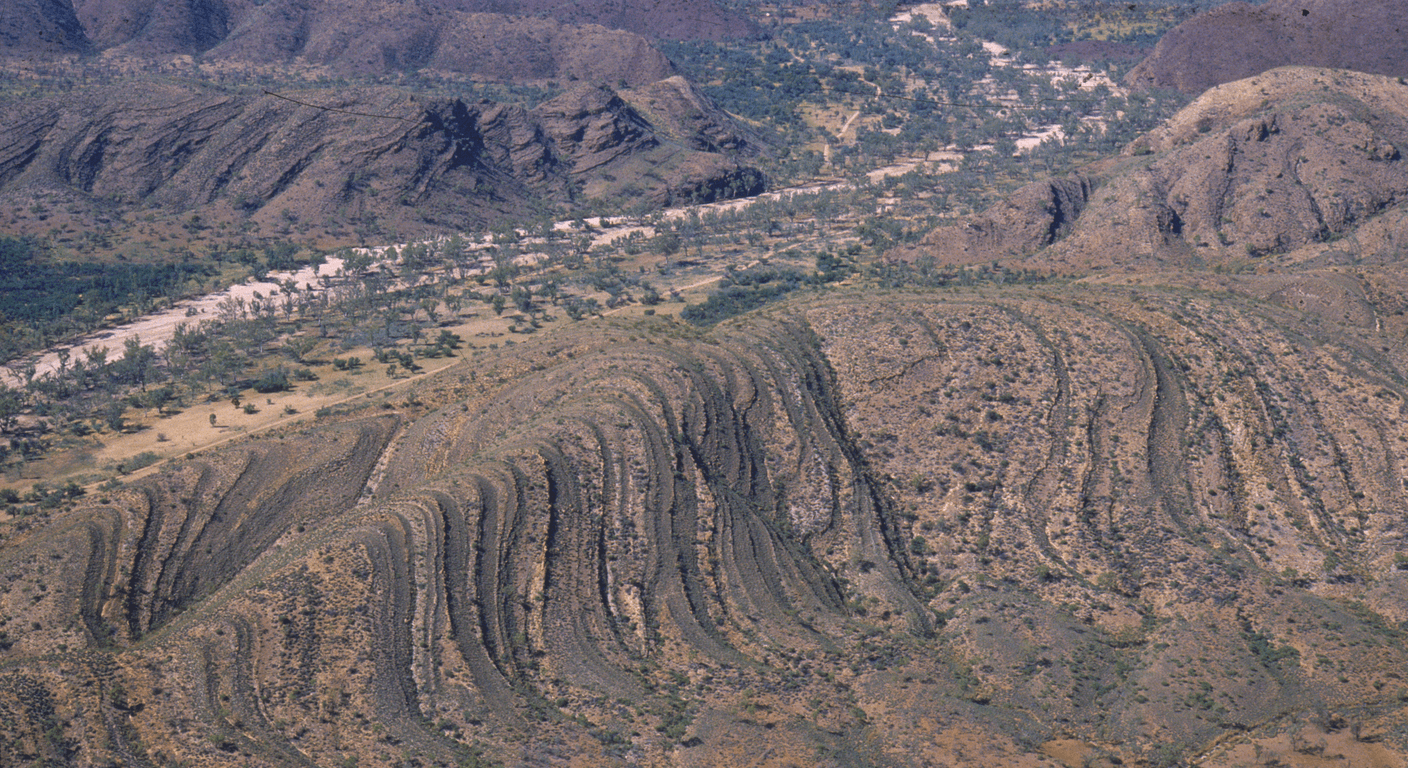
Most travellers treat Alice Springs as a transit point on the way to Uluru-Kata Tjuta National Park, and in doing so they miss one of the more distinctive towns in Australia. Alice Springs has a character entirely its own — a frontier sensibility, a deep connection to Arrernte Country, and a surrounding landscape of quartzite ranges, dry riverbeds, and ghost gums that rewards anyone who slows down and looks properly.
For a solo traveller in his late 60s, the town works well as a base. It is compact enough to walk between the main attractions in the town centre, the visitor information centre is genuinely helpful, and the pace of life is unhurried. Evenings are cool for much of the year, the food scene has improved considerably, and there is enough to fill four or five days without rushing.
The key distinction from Uluru is proximity and variety. Where Uluru is a single, profound landmark best experienced over one or two days, Alice Springs is a working town surrounded by a 200-kilometre corridor of gorges, waterholes, and ranges. That corridor — the West MacDonnell Ranges — is the centrepiece of any extended Red Centre stay.
Getting there from Victoria: flights and what to expect
Qantas operates direct flights between Melbourne (Tullamarine) and Alice Springs, typically with journey times of around two hours and forty minutes. Virgin Australia routes may require a connection through Adelaide or Sydney depending on the season — worth checking both carriers before booking. Indicative return fares from Melbourne sit somewhere around $450 to $800 AUD depending on how far in advance you book and the time of year, though prices move considerably. Always check current fares directly on the airline websites.
The best time to visit is April through October, when daytime temperatures in Alice Springs are comfortable — typically in the low to mid-20s Celsius — and the gorges are accessible without the risk of extreme heat. Summer (November to March) brings temperatures regularly above 40 degrees, which is genuinely difficult and potentially dangerous for older travellers doing any outdoor activity. The shoulder months of April and October offer good conditions and slightly less pressure on accommodation.
Alice Springs Airport is small and easy to navigate. Taxis and rideshare services operate from the airport, and the drive into town takes around ten minutes. Several car hire companies have desks at the terminal, which is worth knowing if you plan to pick up a vehicle on arrival — though booking well in advance is sensible, particularly in peak season.
The West MacDonnell Ranges: gorges and waterholes worth the drive
The West MacDonnell Ranges extend roughly 160 kilometres west of Alice Springs along Namatjira Drive, and the gorges along this route are the main reason many travellers come to the Red Centre beyond Uluru. Simpsons Gap is the closest — around 22 kilometres from town — and is one of the most accessible. The walk from the car park to the gorge itself is flat, well-surfaced, and takes about fifteen minutes each way, making it genuinely manageable for most over-50 travellers regardless of fitness level. The narrow gap in the quartzite rock opens onto a cool, shaded waterhole that is striking in the early morning light.
Standley Chasm, around 50 kilometres from Alice Springs, is operated by the Tjayitera Mbumba Land Trust and has a small entry fee — indicative cost around $12-$15 AUD per adult, though you should confirm current pricing at the site or via the Northern Territory tourism website. The walk from the car park to the chasm is around 1.5 kilometres each way on a rocky path that involves some uneven ground and a modest creek crossing. It is not difficult, but it does require reasonable balance and sturdy footwear. The chasm itself is narrow and dramatic, and the walls glow orange-red around midday when the sun hits directly.
Further west, Ellery Creek Big Hole (93 kilometres from Alice Springs) and Ormiston Gorge (135 kilometres) are worth the drive for travellers who are comfortable behind the wheel on sealed roads. Both have permanent waterholes, shaded picnic areas, and short walks graded for general fitness. Ormiston Gorge has a longer loop walk for those who want more time in the landscape, but the short waterhole walk is sufficient and rewarding on its own. A standard two-wheel-drive vehicle handles all of these sites comfortably — a 4WD is only needed if you venture onto unsealed tracks.
Hire car or guided tour: which suits you better?
This is the most practical question for any solo traveller in the Red Centre, and the honest answer depends on your confidence driving in remote conditions and your appetite for self-directed travel. The roads to Simpsons Gap and Standley Chasm are sealed and straightforward — anyone comfortable with Victorian country driving will manage them without difficulty. Namatjira Drive to the further gorges is also sealed for the most part, though it is a long day's driving to reach Ormiston and return.
Hiring a car gives you flexibility that guided tours cannot match — you leave when you like, stop as long as you want at each gorge, and set your own pace. Indicative daily hire rates for a standard sedan or small SUV run from around $80 to $130 AUD per day, while AWD vehicles sit higher at around $100 to $180 AUD — confirm all current rates directly with the hire company. Fuel costs add up on longer drives, and petrol in Alice Springs is consistently more expensive than in Victoria.
If driving solo through remote country feels like too much, guided day tours are a solid alternative. Operators such as AAT Kings run half-day and full-day tours to the West MacDonnell Ranges with pickup from your accommodation, commentary from a guide, and the reassurance of not being alone if something goes wrong. The trade-off is a fixed itinerary and less time at any individual site. For travellers who prefer not to drive, or who want the social dimension of a small group, tours are a reasonable choice and not a compromise.
Alice Springs Desert Park: a half-day well spent
The Alice Springs Desert Park sits on the western edge of town, about a ten-minute drive from the centre, and covers three distinct desert habitat zones across a large outdoor site. It is one of the better wildlife parks in Australia for actually seeing animals in naturalistic settings — central Australian species including bilbies, thorny devils, perenties, and a range of birds are presented in large enclosures that resemble their natural habitat rather than conventional zoo cages.
The park is well set up for older visitors. Paths are mostly sealed or compacted gravel, electric buggy hire is available for those who prefer not to walk the full circuit, and shaded rest areas are positioned throughout. The nocturnal house, which has been refreshed in recent years, allows visitors to observe animals that would otherwise only be active after dark — a genuine highlight. Allow at least three hours, and go in the morning when it is cooler and the animals are more active.
Entry is ticketed — indicative adult prices are around $35-$40 AUD, though confirm current pricing at the park or via the official website at alicespringsdesertpark.com.au. The park is run by the Northern Territory government and the standard of presentation and information is high. There is a café on site for lunch or morning tea, and the gift shop carries some well-chosen books on central Australian flora, fauna, and geology.
The Royal Flying Doctor Service museum: unexpectedly moving
The Royal Flying Doctor Service Visitor Centre in Alice Springs is located near the airport on Stuart Terrace and is one of those places that surprises you. What could easily be a dry institutional display is instead a well-constructed museum that tells the story of remote medical care in Australia through personal accounts, archival footage, restored aircraft, and interactive exhibits. For a traveller of any age who grew up in rural or regional Australia, it carries a particular resonance.
The centre is fully accessible, air-conditioned, and takes around ninety minutes to move through at a comfortable pace. Guided tours run at set times and are worth joining — the guides are knowledgeable and add context that the displays alone do not always provide. Entry is ticketed, with indicative adult prices around $20 AUD — check current pricing at rfds.org.au. There is a café on the premises that does a decent lunch, and the centre is well positioned to combine with a morning visit to the town's other attractions.
Nearby, the Araluen Cultural Precinct — which includes the Araluen Arts Centre and the Museum of Central Australia — is worth a couple of hours for travellers interested in Arrernte culture, Albert Namatjira's paintings, and the natural history of the region. The precinct is a short drive from the town centre and entry is modest. Check current opening hours and pricing via the Northern Territory government's tourism website before visiting, as hours can vary.
Practical notes on pacing, health, and staying comfortable
The Red Centre demands respect for the environment, and that is doubly true for older travellers doing any walking. Hydration is the single most important practical consideration — carry at least two litres of water per person for any gorge walk, even a short one, and drink consistently rather than waiting until you feel thirsty. Start walks early in the morning before the heat builds, and be back at your vehicle or accommodation by early afternoon during warmer months.
Sun protection in central Australia is serious business. A broad-brimmed hat, SPF 50+ sunscreen, and lightweight long-sleeved clothing are not optional. The UV index in Alice Springs regularly reaches extreme levels even in the cooler months. If you have any cardiovascular or respiratory conditions, discuss the trip with your GP before travelling — the dry air and altitude change (Alice Springs sits at around 545 metres) can affect some people.
Accommodation in Alice Springs ranges from caravan parks and motels to a handful of comfortable hotels. The DoubleTree by Hilton and Crowne Plaza are the two most consistently reliable options for travellers who want a full-service hotel experience, though there are well-regarded mid-range motels that offer good value. Book accommodation well ahead for the April-to-June peak season. Travel insurance is strongly recommended for any interstate or international trip, and particularly for remote travel where medical evacuation costs can be significant.
Key takeaways
- Alice Springs works as a standalone Red Centre destination with four to five days of genuine sightseeing, distinct from the Uluru experience.
- The West MacDonnell Ranges gorges — Simpsons Gap, Standley Chasm, Ellery Creek Big Hole — are all reachable on sealed roads in a standard hire car.
- April to October is the recommended travel window; summer temperatures above 40 degrees make outdoor activity genuinely hazardous for older travellers.
- The Alice Springs Desert Park is one of Australia's better wildlife parks and is well set up for visitors who prefer not to walk long distances.
- The Royal Flying Doctor Service Visitor Centre is a well-produced museum that takes around ninety minutes and suits any traveller with an interest in Australian history.
- Guided day tours are a practical alternative to self-drive for travellers who prefer not to navigate remote roads alone.
Recommended partners and links
Indicative prices only — always confirm with the operator before booking.
Frequently asked questions
Do you need a 4WD to visit the West MacDonnell Ranges gorges?
No. The main gorges along Namatjira Drive — including Simpsons Gap, Standley Chasm, Ellery Creek Big Hole, and Ormiston Gorge — are all accessible on sealed roads in a standard two-wheel-drive vehicle. A 4WD is only necessary if you plan to venture onto unsealed tracks or the more remote sections of the Larapinta Trail.
Are there direct flights from Melbourne to Alice Springs?
Yes. Qantas operates direct flights between Melbourne (Tullamarine) and Alice Springs, with a flight time of around two hours and forty minutes. Other carriers may require a connection through Adelaide or Sydney. Check current schedules and fares directly with the airlines, as routes and frequencies can change.
Is Alice Springs suitable for a solo traveller in their late 60s?
Yes, with some planning. The town centre is compact and walkable, the main tourist sites are well-managed and accessible, and guided tours remove the need to drive in unfamiliar remote country. The most important considerations are heat management, hydration, and not overestimating how much ground you can cover in a single day in the gorges.
How long does it take to walk into Standley Chasm?
The walk from the car park to Standley Chasm is around 1.5 kilometres each way and takes roughly twenty to thirty minutes at a comfortable pace. The path involves some uneven rocky ground and a small creek crossing, so sturdy footwear is important. It is not a difficult walk for most reasonably fit over-50 travellers, but it is not entirely flat or smooth.
What is the best time of year to visit Alice Springs?
April through October is the recommended period, when daytime temperatures are typically in the low to mid-20s Celsius and outdoor activities are safe and comfortable. The months of November through March bring extreme heat — regularly above 40 degrees — which makes walking in gorges and open country genuinely risky, particularly for older travellers.
Got a tip, a price update or a story from this route? The community would love to hear it.
Share your views on our Facebook page— Seniors and Solo Traveller Stories
- Tourism NT – Alice Springs travel information
- Alice Springs Desert Park – official site
- Royal Flying Doctor Service – Visitor Centre Alice Springs
- Parks Australia – West MacDonnell National Park
- NT Parks and Wildlife – West MacDonnell Ranges
- Qantas – Melbourne to Alice Springs flights
- AAT Kings – Red Centre guided tours