Albany and the Great Southern region of Western Australia offer a quieter, more considered coastal experience than the state's better-known destinations. For travellers in their sixties and beyond, the combination of dramatic granite coastline, genuinely moving history, and reliable whale-watching season makes it worth the journey from Victoria. This guide covers how to get there, what to expect on the ground, and the practical details that matter.
Why Albany suits travellers who prefer substance over spectacle
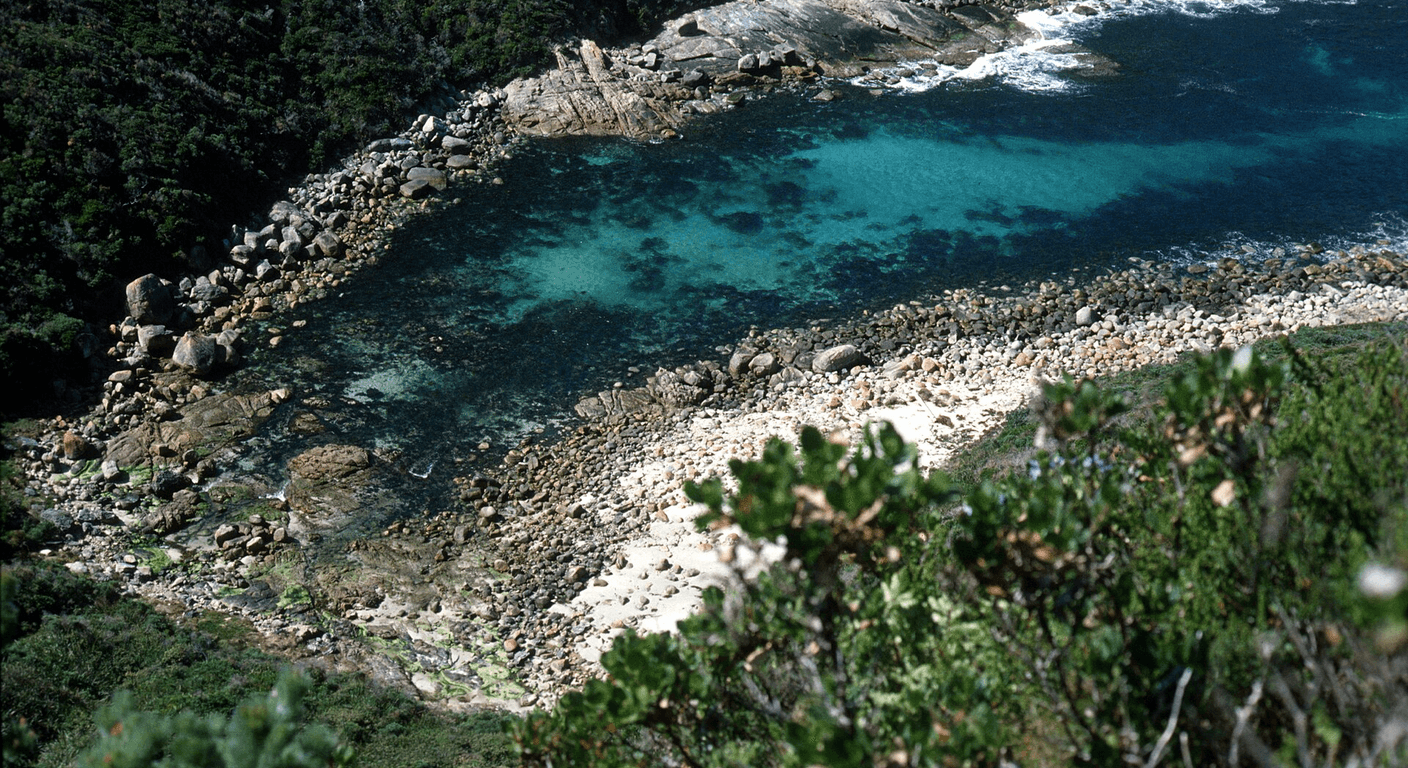
Albany sits at the southern edge of Western Australia, roughly 400 kilometres south of Perth, where the Southern Ocean meets a coastline of ancient granite. It is not a resort town. There are no theme parks, no crowded strip malls, and no performance atmosphere. What it offers instead is scale and quiet — big sky, big water, and a pace that allows you to actually absorb what you are looking at.
For a solo traveller, that temperament matters. Albany has a functioning town centre with good cafes, a weekend farmers market, a library, and independent shops. It is the kind of place where you can sit over a long lunch without feeling rushed, or spend a morning at a lookout without competing for the view. The locals are straightforward and helpful, and the town has enough infrastructure to feel comfortable without being sanitised.
The Great Southern region around Albany — taking in the Stirling Range, the karri forests further west, and the wine country of Mount Barker — rewards travellers who are happy to move slowly and stay a few days rather than ticking boxes. A week is a reasonable minimum if you want to see the coast and the inland scenery without feeling hurried.
Getting to Albany from Victoria: what are your options?
Most Victorian travellers will fly into Perth first. Direct flights from Melbourne to Perth run regularly with Qantas and Virgin Australia, taking around four hours. From Perth, you have two practical options to reach Albany: drive or fly. There are no direct passenger train services between Perth and Albany.
The drive from Perth to Albany via the Albany Highway takes roughly four to five hours depending on your pace and stops. It is a manageable drive on good roads, though the highway passes through long stretches of wheatbelt and bush that require alertness, particularly at dusk and dawn when kangaroos are active. If you are hiring a car — which is strongly recommended for exploring the region — picking it up at Perth Airport and driving down is the most flexible approach. Indicative car hire costs vary considerably by season and provider; compare options through the major rental companies directly.
Regional Express (Rex) and Qantas Link have historically operated flights between Perth and Albany Airport, cutting the journey to under an hour. Check current schedules directly with airlines, as regional routes can change. Flying in and hiring a car locally is a reasonable alternative if you prefer not to do a long drive on arrival, though Albany Airport is small and car hire options there are more limited than at Perth.
Torndirrup National Park: the Gap, Natural Bridge, and what to expect on the ground
Torndirrup National Park is about a 20-minute drive from Albany's town centre, and the Gap and Natural Bridge are its two signature geological features. The Gap is a sheer granite channel cut by the Southern Ocean — waves surge up through it with considerable force, and on a rough day the sound and spray are remarkable. The Natural Bridge is a granite arch formed by wave erosion, viewed from a lookout above. Both sites are accessible via short, paved walkways from the car parks.
Accessibility at both lookouts is reasonable for most travellers, though not fully flat — there are some inclines and steps, and the surfaces can be uneven near the viewing platforms. The Parks WA website has current accessibility information, and it is worth checking before you go. The wind at Torndirrup can be fierce regardless of the season; a warm layer and a hat that stays on your head are practical necessities, not optional extras.
The honest weather note for Albany's coast is this: it is exposed, and the Southern Ocean does not moderate its behaviour for visitors. Even in summer, temperatures can drop sharply with a change in wind, and the Gap in particular can be wet from spray even on days that look calm from a distance. Layered clothing and good shoes with grip are the sensible approach. That said, the drama of the site is precisely because of the conditions — it is genuinely wild coastline, and that is the point.
The National Anzac Centre: one of Australia's most affecting memorials
Albany holds a particular place in Australian military history. In November 1914, the combined Australian and New Zealand Expeditionary Force gathered in King George Sound before departing for Egypt and, ultimately, Gallipoli. It was the last time many of those men saw Australian shores. The National Anzac Centre, opened in 2014 on the centenary of that departure, stands on Mount Clarence above the sound, and it is one of the most thoughtfully designed memorial experiences in the country.
Each visitor is given a card representing one of the individuals who sailed — soldiers, nurses, and support staff — and follows their story through the exhibition. The building itself is architecturally considered, with views out to the water where the fleet anchored. The displays are detailed without being overwhelming, and the tone is respectful and historically grounded rather than sentimental. Allow at least two to two-and-a-half hours; it is not a place to rush.
The centre is on a hillside, and while there is a car park at the top, the path from the lower area involves some incline. Mobility aids can be accommodated, but it is worth contacting the centre directly if you have specific mobility requirements. Entry costs are indicative around $20–$25 for adults — confirm current pricing on the National Anzac Centre website before visiting.
Whale watching in Albany: what to expect during the season
King George Sound, the sheltered bay that defines Albany's geography, is one of the better places in Australia to watch humpback and southern right whales during their annual migration. The season typically runs from July through to October, with peak activity often in August and September. Whales use the sound as a resting and nursing area during their northward migration, which means sightings tend to be in calmer, closer water than you get on open-ocean whale-watching tours.
Naturaliste Charters, operating as Albany Whale Watching, is the established operator for boat-based tours from Albany's waterfront. Tours run for around three hours and go out into the sound and beyond. Indicative adult pricing is roughly $135–$165, though this changes seasonally and should be confirmed directly with the operator. The boats are purpose-built for whale watching and are reasonably stable, though if you have any concerns about seasickness or mobility boarding a vessel, it is worth calling the operator before booking.
Outside the peak whale-watching months, King George Sound still rewards time on the water — dolphins are present year-round, and the scenery of the sound itself, framed by granite headlands, is worth seeing from the water. If you are visiting outside the whale season, check with the operator about what wildlife tours are running.
Where to stay and how to pace your time in Albany
Albany has a range of accommodation from motel-style rooms to self-contained apartments and a few boutique guesthouse options. The town centre and Middleton Beach (a quieter beach suburb about three kilometres from the centre) are the two most practical areas to base yourself. Middleton Beach puts you closer to the waterfront and has its own small strip of cafes, while the town centre is more convenient if you are relying on walking rather than driving for day-to-day errands.
Self-contained accommodation is worth considering for a solo traveller staying several days — being able to prepare your own breakfast or a simple dinner is both economical and practical. Indicative nightly rates vary considerably by season and property type; Albany's peak season aligns with the school holidays and whale-watching season (July to October), when accommodation books up earlier and prices are higher. Confirm directly with properties or use established booking platforms.
A sensible itinerary for four to five days might look like this: a half-day at the National Anzac Centre, a morning at Torndirrup (going early before the wind picks up), a whale-watching tour, time to explore the town's heritage precinct and waterfront, and at least one day for a short drive into the surrounding region — the Porongurup Range, about 40 kilometres north, offers accessible walking and good views for those who want gentle bush walking.
Practical considerations: wind, weather, and travelling as a solo woman
Albany's weather is genuinely variable. The town sits in one of the windiest parts of the Australian coast, and the Southern Ocean keeps temperatures cooler than you might expect for a WA destination. Summer (December to February) brings warm days but also strong winds; winter (June to August) is cool and wet but rewards you with whale season. Spring (September to November) is arguably the most pleasant time, with wildflowers in the region, manageable temperatures, and whales still present into October.
For a solo female traveller, Albany feels safe and navigable. It is a regional city of around 35,000 people with a straightforward layout, a visible police presence, and a culture that is generally easy-going and respectful. The town centre is walkable during the day, and most of the major sites require a car rather than walking, which means your movements are naturally structured around driving rather than being on foot at night. Standard solo travel sense applies: keep someone informed of your plans, have a charged phone, and trust your instincts.
Italian-Australian travellers will find Albany's food scene modest but improving. There are good cafes and a handful of restaurants with quality local produce — the Great Southern is notable for its beef, lamb, and seafood, and the local wine region produces respected cool-climate varieties. Do not expect the diversity of Melbourne's dining scene, but the quality of simple, well-sourced meals is generally high.
Key takeaways
- Albany is around four to five hours' drive from Perth, or a short regional flight — a hired car is essential for exploring the area properly.
- Torndirrup National Park's Gap and Natural Bridge lookouts are accessible via short paved paths, though wind and uneven surfaces near platforms require sensible footwear.
- The National Anzac Centre on Mount Clarence is one of Australia's most carefully designed memorial experiences and warrants at least two hours of your time.
- Whale-watching season in King George Sound typically runs July to October, with humpbacks and southern right whales often visible in sheltered, close-in water.
- Albany's Southern Ocean coastline is genuinely exposed — layered clothing and a wind-proof jacket are practical necessities in every season.
- Albany suits travellers who prefer a quieter, unhurried pace over a packed itinerary — four to five days is a reasonable minimum to see the coast and absorb the town.
Recommended partners and links
Indicative prices only — always confirm with the operator before booking.
Frequently asked questions
Is Albany Western Australia worth visiting for travellers over 60?
Albany suits older travellers well. It has a manageable town centre, accessible natural attractions, a genuinely moving historical site in the National Anzac Centre, and reliable whale-watching in season. The pace is unhurried, accommodation is varied, and the coastline at Torndirrup National Park is dramatic without requiring strenuous walking to appreciate it.
When is the best time to visit Albany WA for whale watching?
Whale-watching season in Albany typically runs from July through to October, with August and September generally the most active months. Humpback and southern right whales use King George Sound as a resting area during their northward migration, which means sightings are often in sheltered, relatively close-in water. Confirm current season details with operators such as Albany Whale Watching (Naturaliste Charters) before booking.
How do you get from Perth to Albany without a car?
Regional air services between Perth and Albany Airport have been operated by airlines including Regional Express (Rex) and Qantas Link, cutting the journey to under an hour. There is no direct passenger train service between Perth and Albany. Check current schedules directly with airlines, as regional routes can change. Once in Albany, a hire car is strongly recommended, as the main attractions — including Torndirrup National Park — are not accessible without one.
Is Torndirrup National Park accessible for people with limited mobility?
The Gap and Natural Bridge lookouts at Torndirrup National Park are reached via relatively short paved walkways from their car parks, making them more accessible than many coastal lookouts. However, there are some inclines and the surfaces near viewing platforms can be uneven. A vehicle entry fee applies to the park. Check the Parks WA website (parks.dpaw.wa.gov.au) for current accessibility information before visiting.
How much does it cost to visit the National Anzac Centre in Albany?
Adult entry to the National Anzac Centre is indicatively around $20–$25, though pricing can change. Always confirm current entry fees on the National Anzac Centre's official website (nationalanzaccentre.com.au) before your visit. Allow at least two to two-and-a-half hours for a meaningful experience of the exhibition.
Got a tip, a price update or a story from this route? The community would love to hear it.
Share your views on our Facebook page— Seniors and Solo Traveller Stories