Australia's state and national libraries are among the most underrated free stops for over-50 travellers — grand reading rooms, rotating exhibitions, cool air-conditioning, and a seat that invites you to slow down. This guide covers the library in every Australian capital, from the domed La Trobe Reading Room in Melbourne to the National Library in Canberra, with practical detail on what to expect, how to get there, and why a library afternoon beats a crowded tourist attraction on a hot or rainy day.
Why State Libraries Work So Well for Over-50 Travellers
Travelling with a group of friends in your sixties involves a different kind of planning than a solo backpacker trip. Someone needs a rest after the morning walk. Someone else wants air-conditioning by midday. And everyone appreciates a destination that does not cost anything, does not require booking three weeks ahead, and will not leave you standing in a queue on a footpath in the heat. State libraries tick all of those boxes, and then some.
These are not dusty, hushed spaces where you feel out of place without a library card. Australia's major state and national libraries are genuine public buildings — architecturally significant, climate-controlled, with seating that is designed for long stays, free rotating exhibitions, and cafes or kiosks on site. For a group of women exploring a capital city together, a library afternoon offers conversation, cultural content, and a proper sit-down, all without spending a cent on entry.
They also work beautifully as a flexible anchor in a day's itinerary. You can spend forty minutes or four hours. You can browse an exhibition, read in a reading room, or simply sit with a coffee in the foyer. On a 38-degree day in Adelaide or a wet Tuesday in Hobart, that flexibility is genuinely valuable.
State Library Victoria, Melbourne: The Dome That Earns Its Reputation
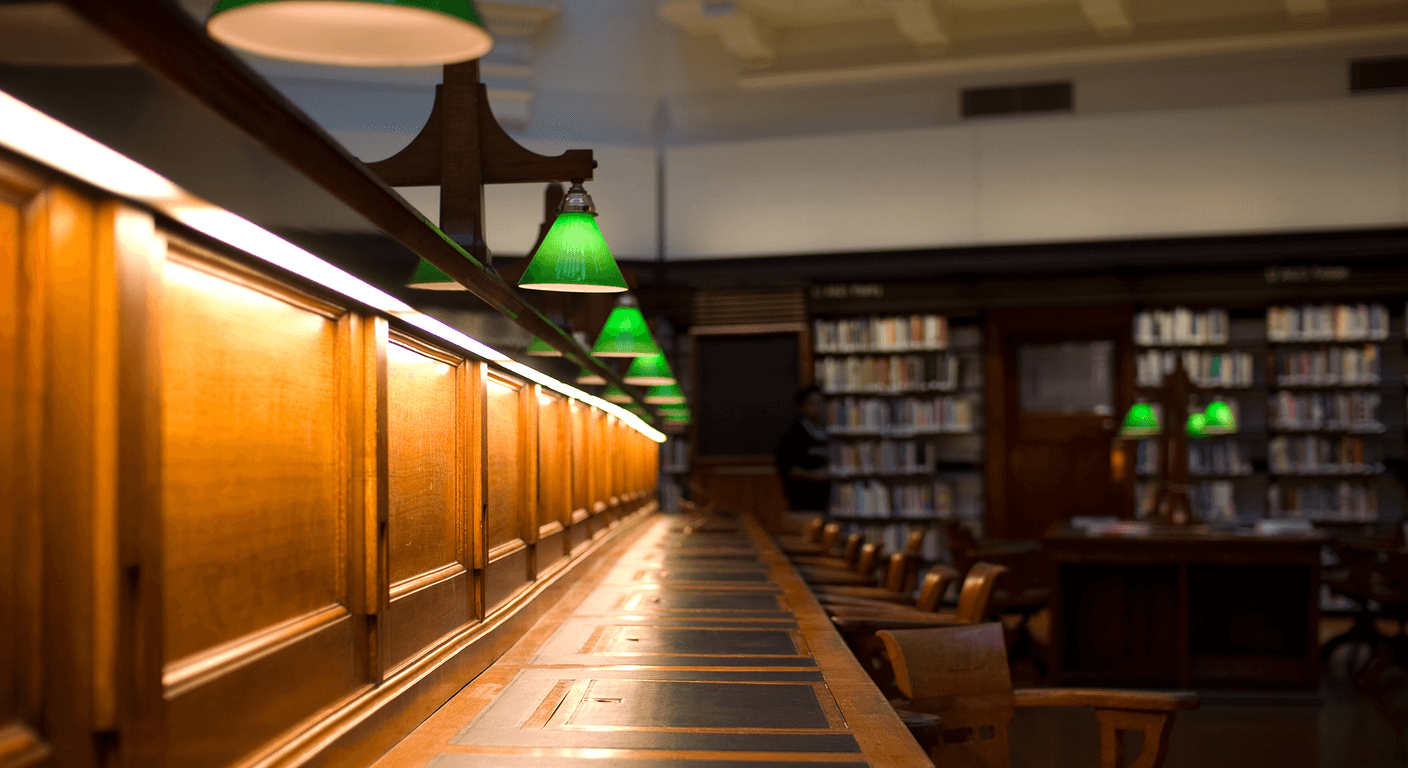
The State Library Victoria on Swanston Street in Melbourne's CBD is one of the most visited free cultural spaces in the country, and it earns that status. The La Trobe Reading Room — the octagonal domed space at the building's heart — is genuinely impressive in a quiet, architectural way. The room seats hundreds under a 35-metre dome with natural light filtering through, and the atmosphere encourages you to slow your pace without anyone asking you to.
Beyond the reading room, the library runs a rolling programme of free exhibitions drawn from its collection, which spans colonial photographs, rare manuscripts, maps, and Australian cultural ephemera. There is almost always something on that connects to Victorian or Australian history in a way that feels personal rather than textbook. The ground-floor spaces are well signed and easy to navigate without prior knowledge of the building.
Getting there is straightforward from most Melbourne accommodation. Trams running along Swanston Street (part of the free tram zone) stop directly outside. The building has lift access and step-free entry from the Swanston Street entrance. The on-site cafe is a reasonable spot for a mid-afternoon break. Confirm current opening hours and any ticketed exhibition fees at slv.vic.gov.au before visiting.
State Library of NSW, Sydney: A Sandstone Building Worth the Short Walk
The State Library of New South Wales sits on Macquarie Street in Sydney, a short and mostly flat walk from the Royal Botanic Garden and a manageable distance from Circular Quay. The building is sandstone and heritage-listed, with a newer wing attached, and the combination gives you both grandeur and practical amenity in the same visit.
The Mitchell Library wing — the older, domed reading room section — is the architectural highlight. Entry to the public reading rooms and galleries is free, and the library holds significant collections relating to Australian exploration, Indigenous history, and colonial life. Temporary exhibitions rotate through the year and are generally well curated for a general audience rather than specialists.
For a group travelling Sydney, the library pairs naturally with the nearby Hyde Park Barracks Museum or a walk through the Royal Botanic Garden, making a full morning without any entry cost if you choose those stops carefully. Confirm current hours, exhibition details, and any access requirements at sl.nsw.gov.au.
State Library of Queensland, Brisbane: Modern, Accessible, and River-Adjacent
The State Library of Queensland sits within the Queensland Cultural Centre precinct at South Bank, making it one of the easiest library visits to integrate into a broader cultural day. The Gallery of Modern Art (GOMA) and the Queensland Museum are both within a short, flat walk, and the riverfront promenade between them is pleasant at most times of year.
The library building itself is contemporary and highly accessible, with wide corridors, lifts throughout, and a ground-floor layout that does not require much navigation. Free exhibitions, reading spaces, and a range of public programmes make it a useful stop in its own right rather than just a building you pass on the way to somewhere else. The rooftop terrace offers river views and is worth a slow walk up to if mobility allows.
South Bank is well connected by bus, train (South Bank station on the Beenleigh, Gold Coast, and Airport lines), and ferry. The precinct is genuinely walkable for most older travellers. Confirm current exhibition programmes and opening hours at slq.qld.gov.au.
State Library of WA, Perth; State Library of SA, Adelaide; and State Library of Tasmania, Hobart
The State Library of Western Australia is located in the Perth Cultural Centre in Northbridge, a short walk from Perth Underground station. It shares the precinct with the Art Gallery of WA and the Western Australian Museum, which means a full day of free cultural stops is genuinely achievable. The library has a strong focus on Western Australian history and a comfortable, contemporary reading room. Confirm hours and programmes at slwa.wa.gov.au.
The State Library of South Australia occupies a heritage building on North Terrace in Adelaide's cultural boulevard, alongside the South Australian Museum and the Art Gallery of South Australia. North Terrace is one of Australia's more walkable cultural strips, and the library fits naturally into a morning that might also include the museum's free natural history galleries. The reading rooms are quiet and well-maintained, and the building retains its colonial-era character. Confirm current access and exhibitions at slsa.sa.gov.au.
The State Library of Tasmania in Hobart is a smaller but genuinely worthwhile stop, particularly on one of Hobart's frequent rainy days. Located on Murray Street in the CBD, it is close to Salamanca Place and an easy walk from the waterfront. The library holds significant Tasmanian historical collections and runs a modest programme of free displays. For a group spending several days in Hobart, it is a comfortable half-hour stop that gives a different texture to the visit than the galleries and markets. Confirm details at libraries.tas.gov.au.
National Library of Australia, Canberra: Worth the Trip on Its Own
The National Library of Australia on Parkes Place in Canberra is, for a certain kind of traveller, reason enough to spend a day in the national capital. The building — a 1960s modernist structure on the shore of Lake Burley Griffin — is handsome and serene, and the collections it holds are genuinely significant: Treasures Gallery items include Captain Cook's journal, the Gutenberg Bible, and early Australian manuscripts.
The Treasures Gallery is free to enter and offers a genuinely considered experience rather than a quick walk-through. The library also runs temporary exhibitions that draw on its vast photographic, map, and documentary collections. There is a good on-site cafe with lake views, and the building is fully accessible with lift access throughout.
Canberra's Parliamentary Triangle is best navigated by car or taxi if mobility is a consideration, as distances between institutions are longer than they appear on a map. The National Library sits between the High Court and the National Gallery of Australia, so a day that includes all three is achievable with a car or rideshare between stops. Confirm current exhibitions, opening hours, and any ticketed events at nla.gov.au.
Practical Tips for a Library Day With a Group
A few habits make library visits work better for a group of friends travelling together. Agree in advance on a meeting point inside the building — a foyer chair, a cafe table, or a specific gallery entrance — so that people can move at their own pace without waiting for each other at every turn. Libraries are genuinely comfortable spaces for this kind of independent-but-together travel style.
Most state libraries have lockers or bag storage near the entrance, which is useful if you are carrying a day bag or have been shopping. Photography rules vary: the reading rooms are generally fine for personal photos, but some exhibition items are restricted. A quick check of signage on arrival saves any awkwardness. Noise levels in reading rooms are expected to be low, but exhibition galleries and cafes are relaxed about conversation.
Accessibility is generally good across all the libraries listed here, but it is worth checking the specific library's website for detail on accessible parking, lift locations, and any areas under renovation before visiting. Most libraries also have accessible toilets well signposted from the main entry. For travellers with low vision or hearing, several libraries offer tailored programmes — again, the library's own website is the right place to check current offerings.
Key takeaways
- Every Australian capital has a state or national library with free public entry, air-conditioning, and seating — a practical and underrated stop for over-50 travellers.
- The La Trobe Reading Room at State Library Victoria and the Treasures Gallery at the National Library of Australia are among the most quietly impressive free spaces in the country.
- Most state libraries run rolling free exhibitions drawn from their own collections, so the content changes across visits and across cities.
- State libraries in Brisbane, Perth, and Adelaide sit within larger cultural precincts, making a full day of free cultural stops achievable with minimal walking.
- For a group of friends travelling together, a library visit works well as a flexible mid-day anchor — you can stay forty minutes or four hours without any pressure.
- Always confirm current opening hours, exhibition schedules, and accessibility details directly with each library before visiting, as programmes change regularly.
Recommended partners and links
Indicative prices only — always confirm with the operator before booking.
Frequently asked questions
Is entry to state libraries in Australia free for visitors?
General entry to the public areas, reading rooms, and most permanent exhibitions at Australia's state and national libraries is free. Some special or ticketed exhibitions may carry a fee. Confirm current pricing directly with each library's website before visiting.
Are state libraries accessible for older travellers with mobility considerations?
Most Australian state and national libraries have step-free entry, lifts throughout the building, and accessible toilets. Accessibility varies in detail between buildings, so it is worth checking the specific library's website for information on accessible parking, lift locations, and any areas currently under renovation.
What is the best state library to visit in Melbourne for a first-time visitor?
The State Library Victoria on Swanston Street is generally considered the standout visit. The La Trobe Reading Room under its domed ceiling is architecturally significant, and the library runs a regular programme of free exhibitions. It is located within Melbourne's free tram zone and has step-free entry from Swanston Street.
Can you visit the National Library of Australia without a library card?
Yes. The National Library of Australia in Canberra is open to the general public without a library card. The Treasures Gallery, general reading rooms, and most exhibitions are accessible to any visitor. A library card is needed only if you want to borrow items or access certain research services.
Which state library is easiest to combine with other free cultural attractions?
The State Library of Queensland at South Bank in Brisbane sits within easy walking distance of the Gallery of Modern Art and the Queensland Museum, all of which offer free general entry. The State Library of South Australia on North Terrace in Adelaide is similarly well placed, adjacent to the South Australian Museum and the Art Gallery of South Australia.
Got a tip, a price update or a story from this route? The community would love to hear it.
Share your views on our Facebook page— Seniors and Solo Traveller Stories
- State Library Victoria — Official Website
- State Library of New South Wales — Official Website
- State Library of Queensland — Official Website
- State Library of Western Australia — Official Website
- State Library of South Australia — Official Website
- Libraries Tasmania — Official Website
- National Library of Australia — Official Website
- Visit Victoria — Cultural Attractions Melbourne