Sydney's Circular Quay precinct offers one of Australia's most satisfying free days out — flat harbourside walking, world-class architecture, a working botanical garden, and contemporary art, all within comfortable distance of each other. For a solo traveller based in Victoria, it makes a compelling reason to cross the border without blowing the budget on entry fees. The culture is on the outside as much as the inside here, and that suits a relaxed, self-paced day perfectly.
Why this day works so well for a solo traveller from Victoria
There is a particular pleasure in arriving in a city and knowing that the best of it costs nothing. Sydney's eastern harbour foreshore — from Circular Quay through the Royal Botanic Garden to Mrs Macquarie's Chair — is genuinely flat, well-shaded in parts, and entirely walkable at a comfortable pace. For a solo traveller in their late sixties who wants culture, open air, and a few good places to sit and think, this stretch of Sydney is hard to beat.
The loop from Circular Quay station to the Opera House forecourt, around the garden to Mrs Macquarie's Chair, and back via the MCA takes roughly four to five hours at an unhurried pace — including a decent coffee stop. You can shorten it at any point, and there are park benches and sheltered rest spots throughout. It is not a day that requires planning around a tour group or a fixed itinerary.
Victorians flying in can pick up the train to the city from the airport, and those arriving by the XPT overnight or day train from Melbourne step off at Central Station, a short train or light rail ride from Circular Quay. It is worth checking current NSW TrainLink fares well in advance, as they vary considerably.
Getting to Circular Quay from Melbourne and around Sydney
From Melbourne, the most straightforward surface option is the NSW TrainLink XPT, which runs between Southern Cross Station and Sydney Central. Indicative fares for a return economy seat start from around $100–$180, though business class and sleeper options exist at higher prices — always confirm current fares and availability at nswtrainlink.info. Flying is faster but adds airport transfer time and cost; Sydney Airport is well connected by train to Central Station on the T8 line.
Once in Sydney, Circular Quay station (on the T1, T2, T3, T4 lines) puts you within a two-minute walk of the ferry wharves, the Opera House forecourt, and the garden entry. The station itself is step-free from street level on most access points, and the surrounding area is flat. Opal cards work across trains, buses, and ferries in Sydney — a single-day cap on fares applies, which is useful if you plan to take a ferry for the harbour view.
The Manly Ferry from Circular Quay Wharf 3 is a well-known option for a scenic harbour crossing, though it adds time to the day. A shorter and often less crowded option is the Parramatta River ferry to Darling Harbour, or simply staying on the eastern foreshore. If the priority is the garden walk and Opera House, the ferry is a pleasant add-on rather than essential.
Walking the Royal Botanic Garden: what to expect
The Royal Botanic Garden sits directly east of the Opera House and wraps around Farm Cove, offering shaded paths, harbour views, and a genuine sense of being somewhere considered and cared for. General entry is free, and the garden is open daily. The main path along the harbour edge is well-maintained and mostly flat, though some inner paths have gentle slopes. Benches are positioned regularly, and there are public toilets near the main entrance off Mrs Macquaries Road and near the café.
The garden covers around 30 hectares, so you can do a focused harbour-edge loop of about two kilometres without needing to cover the whole estate. The rose garden, the succulent garden, and the fig avenue are all worth a slower look. The 2026 bicentenary installations add interpretive signage and some new plantings along the route — it gives the visit a bit of context about how the garden evolved from a colonial food garden into a working scientific institution.
The Garden Restaurant and Kiosk operates within the grounds and is a reasonable option for morning tea or lunch, with some outdoor seating that catches the harbour light. Prices are in the mid-range for Sydney — indicatively, a coffee and cake around $15–$20 — though you should confirm current offerings on the garden's website. The shaded seating near the kiosk makes it a sensible rest stop before or after the walk to Mrs Macquarie's Chair.
Mrs Macquarie's Chair: the view that earns the walk
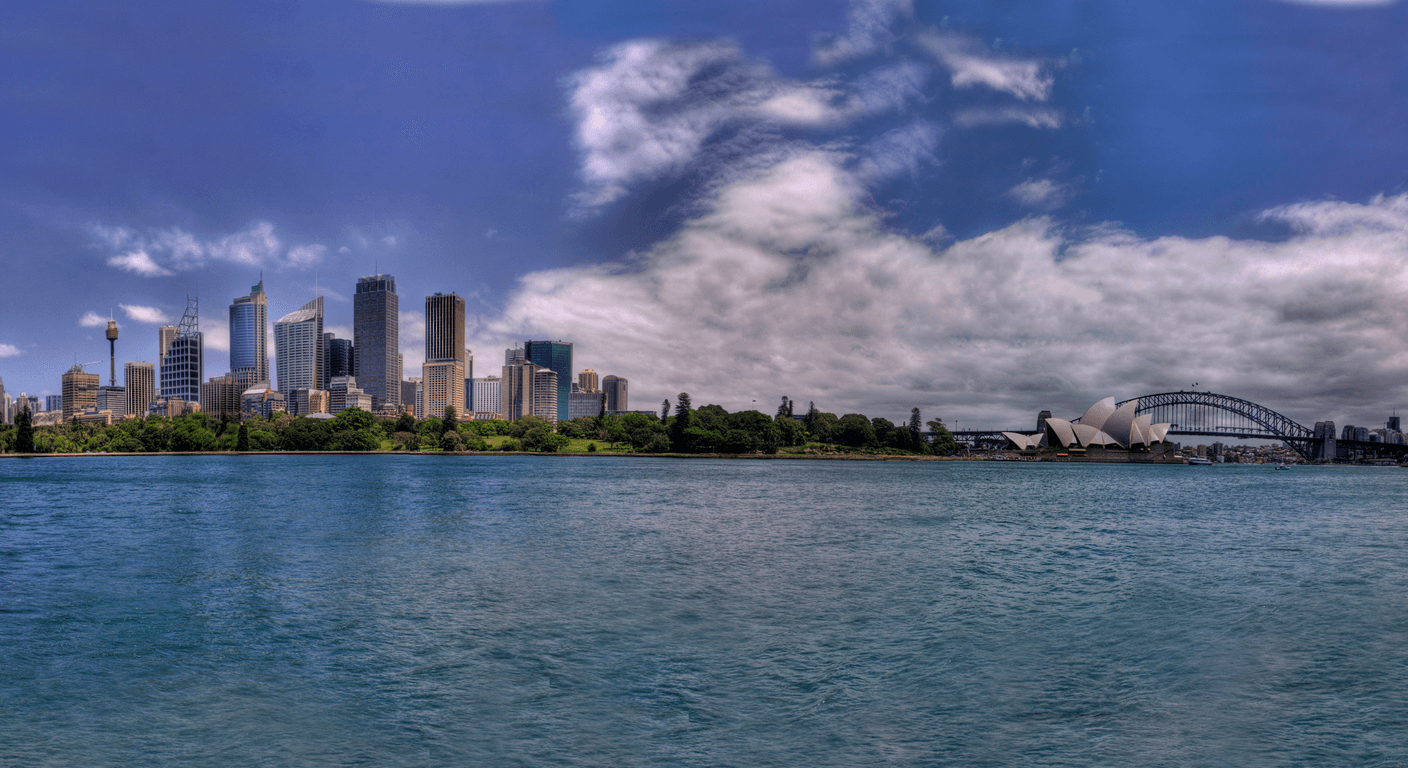
At the eastern tip of the garden peninsula sits Mrs Macquarie's Chair, a sandstone ledge carved from the rock in 1810 for Elizabeth Macquarie, wife of Governor Lachlan Macquarie. The view from here takes in the Opera House, the Harbour Bridge, and the broad sweep of the harbour — it is the classic Sydney panorama, and it is free. The walk from the main garden entrance is around 1.2 kilometres along a sealed path.
The path to the Chair is flat and accessible for most mobility levels, though the final approach involves a slight incline over sandstone paving. There are no entry gates or fees. It can be busy on weekends and during school holidays, but on a weekday morning or mid-afternoon it is calm enough to sit quietly and take it in at your own pace. The light is softer and the crowds thinner in the mid-morning hours.
From Mrs Macquarie's Chair, you can retrace your steps through the garden, or exit via the road to the Domain and walk back toward St Mary's Cathedral and Hyde Park if you want to extend the afternoon. The Domain itself is a large open lawn — useful for a rest on the grass — and connects back toward the CBD on foot.
The Opera House forecourt: free culture, with performance options
The Sydney Opera House forecourt is a public space, and simply being there — looking at the shells from the western boardwalk, watching the ferries cross, sitting on the broad steps — costs nothing. The architecture is the experience, and it holds up on a grey day as well as a clear one. The building was designed by Jørn Utzon and opened in 1973; it remains on the UNESCO World Heritage List, and the exterior alone justifies the detour.
Inside, the Opera House runs a year-round programme across multiple venues — the Concert Hall, the Joan Sutherland Theatre, the Drama Theatre, the Playhouse, and the smaller Studio and Utzon Room. Ticket prices vary considerably depending on the performance and seat — indicatively, rush or concession tickets can start from around $35–$50 for some productions, while premium seats for major productions run much higher. The Opera House website lists current and upcoming performances, and it is worth checking the 'Rush Tickets' section if you are flexible on dates and timing.
The Bennelong restaurant and the Opera Bar are both on-site, with harbour views. Opera Bar is the more casual option and is open from mid-morning; a beer or glass of wine with a harbour view runs indicatively around $12–$18, though confirm current prices. It can be noisy when busy, but mid-morning on a weekday it is a genuinely pleasant spot to sit and watch the ferries. The forecourt itself has a kiosk for coffee and light snacks.
Museum of Contemporary Art: free entry, world-class collection
The Museum of Contemporary Art Australia (MCA) sits on the western side of Circular Quay, a short walk from the Opera House along the Quay. General admission to the permanent collection is free, and the building — a refurbished 1950s Maritime Services Board building — is well set up for a relaxed visit. There are lifts between floors, the galleries are spacious, and the pace is entirely your own.
The permanent collection focuses on Australian and international contemporary art from the mid-twentieth century onward. It is not a traditional gallery in the European sense — expect large-scale installation work, video art, and Indigenous Australian works alongside painting and sculpture. Some travelling exhibitions carry a separate admission fee, so it is worth checking what is on at mca.com.au before you go. The rooftop café has a harbour and Opera House view that is among the better free vantage points in the city, even if you only order a coffee.
The MCA is a good option for the afternoon portion of the day, when the garden walk is done and the sun is higher. The air-conditioned galleries offer a welcome break from the heat in summer. Opening hours are generally 10am–5pm daily, though confirm current hours on the website. The gift shop is worth a look if you want to bring something back — quality tends to be higher than average for a museum shop.
Pacing the day: rest points, shade, and a decent coffee
A day at this pace — garden walk, Mrs Macquarie's Chair, Opera House forecourt, MCA — covers roughly five to seven kilometres in total, depending on how much of the garden you explore. For a 69-year-old travelling solo, the key is to build rest stops in deliberately rather than pushing through. The garden kiosk, the Opera House forecourt steps, and the MCA rooftop café are all natural pauses rather than afterthoughts.
Shade is available throughout the garden walk but limited on the open forecourt area near the Opera House. A hat and sunscreen are sensible year-round in Sydney. The best time to start is mid-morning — around 9:30 to 10am — which allows you to reach Mrs Macquarie's Chair before the midday heat and the peak tourist groups. The MCA makes a natural afternoon wind-down before returning to your accommodation or heading to the station.
For coffee with a harbour view at a reasonable price, the MCA rooftop café and the garden kiosk are both more considered options than the tourist-facing venues directly on the Quay, where prices tend to be higher. Indicatively, a flat white in the garden or at the MCA runs around $5–$7 — confirm current prices. If you want something more substantial for lunch, the Quay precinct has a wide range of options, though it pays to look at the menu before sitting down in that area.
Key takeaways
- The Royal Botanic Garden, Mrs Macquarie's Chair, and the Opera House forecourt are all free to visit and connected by a flat, walkable harbour path.
- The MCA on Circular Quay offers free entry to its permanent collection and a rooftop café with a direct Opera House view.
- Opera House performance tickets vary widely — check the Rush Tickets section on the official website for more accessible pricing.
- The harbour foreshore walk from Circular Quay to Mrs Macquarie's Chair and back is roughly four to five kilometres on sealed, mostly flat paths.
- Circular Quay station connects directly to Sydney's suburban and regional rail network, making it easy to reach from Central Station without a taxi.
- Mid-morning on a weekday is the quietest and most comfortable time to visit — cooler, less crowded, and better for solo pacing.
Recommended partners and links
Indicative prices only — always confirm with the operator before booking.
Frequently asked questions
Is the walk from Circular Quay to Mrs Macquarie's Chair suitable for older travellers with limited mobility?
The main path through the Royal Botanic Garden to Mrs Macquarie's Chair is sealed and mostly flat, with gentle inclines in a few sections. Most of the route is accessible for people using walking sticks or with moderate mobility limitations, though the final approach to the Chair involves some uneven sandstone paving. Benches are available at regular intervals along the route.
How much does it cost to visit the Sydney Opera House?
The Opera House forecourt and exterior are free to access at any time. Guided tours of the interior carry a fee — confirm current pricing at sydneyoperahouse.com. Ticketed performances vary considerably in price depending on the production and seat; indicative concession or rush tickets can start from around $35–$50 for some events, but this changes regularly and should be confirmed on the official website.
Is the Museum of Contemporary Art Sydney free to enter?
General admission to the MCA's permanent collection is free. Some temporary or travelling exhibitions may carry a separate entry fee. Opening hours are generally 10am–5pm daily, but confirm current hours and any ticketed exhibitions at mca.com.au before visiting.
What is the best way to get from Melbourne to Circular Quay in Sydney?
NSW TrainLink runs the XPT service between Melbourne's Southern Cross Station and Sydney Central Station. From Central, the T4 or other suburban lines reach Circular Quay in around 15 minutes. Indicative economy return fares start from roughly $100–$180 depending on booking time and class — confirm current fares and book at nswtrainlink.info. Flying is faster but adds airport transfer time; the T8 Airport Link connects Sydney Airport to Central Station.
Are there places to sit and rest along the harbour walk?
Yes. Benches are positioned throughout the Royal Botanic Garden, including along the harbour-edge path. The Opera House forecourt has broad steps and seating areas. The MCA has seating in its galleries and rooftop café. The garden kiosk near the main entrance also has outdoor tables. There are public toilets near the garden entrance off Mrs Macquaries Road, near the kiosk, and at the MCA.
Got a tip, a price update or a story from this route? The community would love to hear it.
Share your views on our Facebook page— Seniors and Solo Traveller Stories