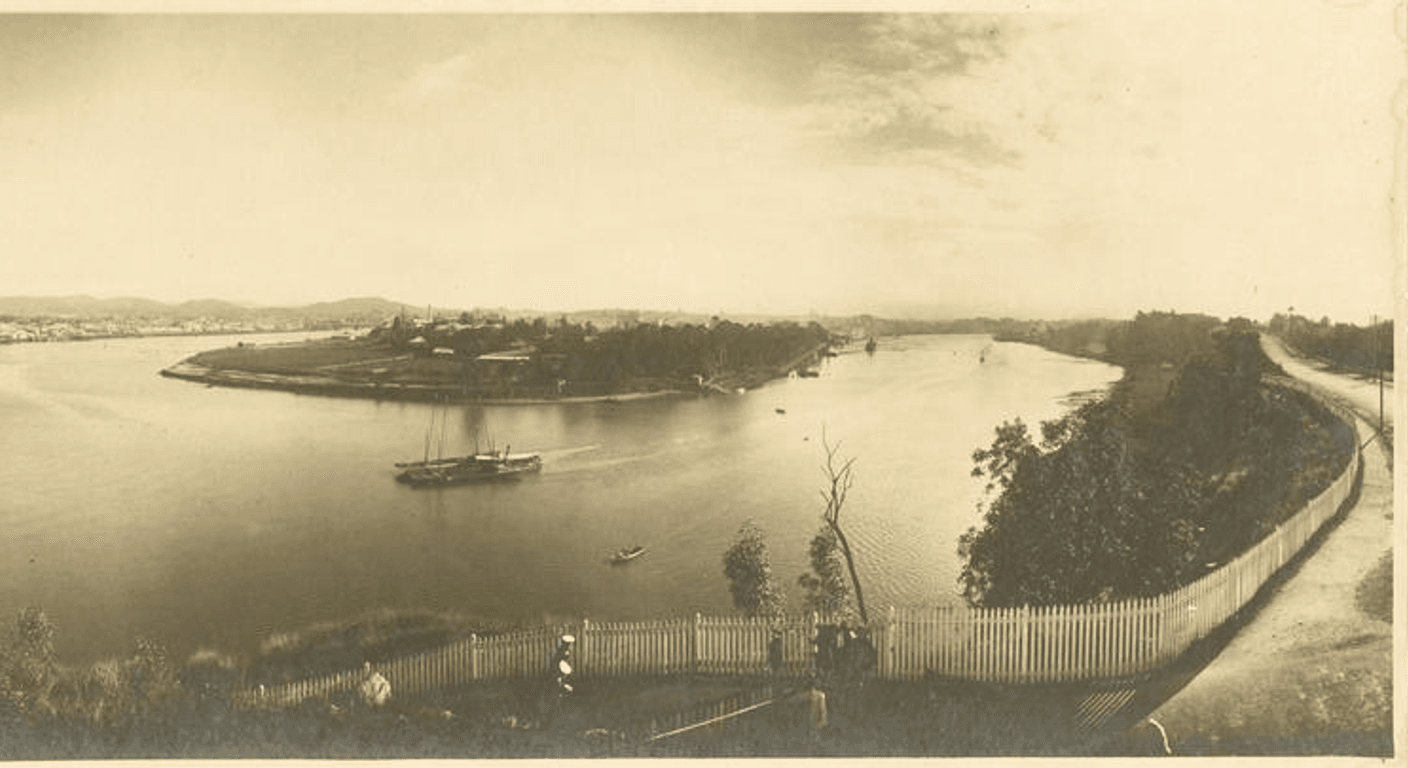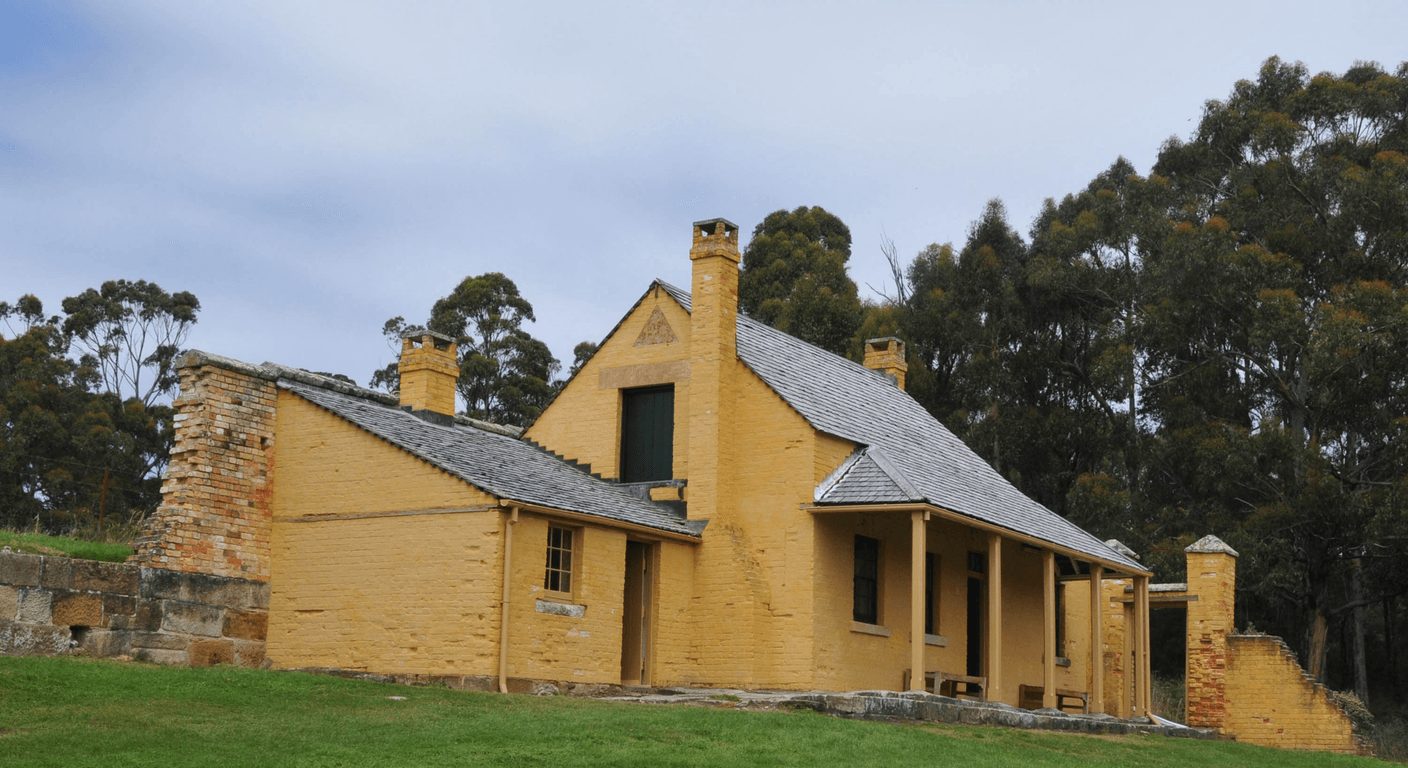
Port Arthur Historic Site is one of Australia's most significant convict-era places, sitting on the Tasman Peninsula about 90 minutes from Hobart. A full-day visit with the harbour cruise gives you a genuine sense of the scale and the stories held here — from the penal colony's daily workings to the layers of history that followed. This guide covers getting there, what the ticket includes, how the grounds suit older travellers, and how the site handles its more recent history with care.
Why Port Arthur rewards a full day rather than a half day
Port Arthur is not a site you absorb in two hours and tick off the list. The historic precinct covers around 40 hectares of grounds, ruins, restored buildings and waterfront — and the stories layered into each structure take time to settle. For a solo traveller who wants to move at their own pace, read the panels properly and sit with the atmosphere, a full day is the honest minimum.
The standard admission ticket includes entry to the grounds, access to most of the buildings open to the public, a guided walking tour (departing regularly throughout the day), and a harbour cruise around the Isle of the Dead and Point Puer — the boys' prison. That combination gives you land and water perspectives that genuinely complement each other rather than overlapping.
Most visitors arrive mid-morning and find the site quieter in the early afternoon when day-tour coaches have moved on. If you are travelling independently, that rhythm works in your favour. Arriving by around 10am gives you time for a guided walk, lunch at the on-site cafe or your own provisions, the cruise, and a slower wander through the penitentiary and asylum ruins before late afternoon.
Getting there from Hobart: your realistic options
Port Arthur sits roughly 90 kilometres southeast of Hobart via the Arthur Highway, which runs through Sorell and down the Tasman Peninsula. The drive takes around 90 minutes in normal conditions, with some winding sections once you pass Eaglehawk Neck. If you are comfortable driving in Tasmania, hiring a car in Hobart gives you the most flexibility — you can stop at Eaglehawk Neck to look at the tessellated pavement or the blowhole without being on anyone else's schedule.
For those who prefer not to drive, Tassielink Transit operates a coach service from Hobart to Port Arthur on select days. Check the current timetable and booking requirements directly at tassielink.com.au, as schedules and frequency can vary seasonally. The coach drops you at the site and collects you for the return, which works well for a straightforward day trip.
Organised day tours departing from Hobart are another option and are worth considering if you want commentary en route and the reassurance of a group. Discover Tasmania's website at discovertasmania.com.au lists current operators. Bear in mind that tour group schedules mean less flexibility once you are on-site, which can feel rushed at a place this substantial.
What your admission ticket actually covers
The standard day ticket to Port Arthur Historic Site includes entry to the grounds and all open buildings, one guided walking tour (typically around 40 minutes), and one harbour cruise. The cruise runs multiple departures through the day — staff at the entrance will tell you the times when you arrive, and it is worth noting the last departure so you can plan accordingly.
The guided walking tour is led by a site guide and covers the main precinct: the penitentiary, the church ruins, the separate prison, the asylum and the commandant's house. It is a useful orientation, particularly for a first visit, and the guides tend to be knowledgeable about the convict-era detail without being sensationalist. You are free to return to any building or area independently after the tour.
Audio guides are available for hire at the visitor centre and are worth considering for a solo traveller who wants to move at their own pace through the exhibits inside the buildings. The museum buildings contain original artefacts, prisoner records and interpretive displays that reward careful attention. Confirm current hire costs and availability at portarthur.org.au before your visit.
How the grounds suit older and mobility-conscious travellers
The main paths through the historic precinct are largely flat, well-maintained and suitable for travellers using walking sticks or who simply want to take things steadily. The visitor centre, cafe and main lawn areas are accessible without significant gradient. Seating is dotted throughout the grounds, which makes it practical to move slowly, rest, and move again — an important consideration on a full-day visit.
That said, honesty matters here. Some of the historic areas involve uneven ground, original stone paving, and narrow doorways inside the older structures. The ruins of the penitentiary and church in particular have sections where footing requires care. Wearing supportive, closed-toe shoes with a grip sole is not optional advice — it is genuinely important. A walking stick is an asset on the uneven sections.
The harbour cruise involves boarding a boat from the jetty near the visitor centre. The boarding point has steps, and conditions on the water can be cool even in summer. Bring a layer regardless of the forecast. If you have concerns about boarding or balance on the water, it is worth speaking to site staff in advance — contact details are on the official site at portarthur.org.au.
The 1996 tragedy: how the site handles it and how visitors can approach it
Port Arthur was the site of a mass shooting on 28 April 1996 — one of the worst in Australia's history. Thirty-five people were killed. Many visitors, particularly those aged 60 and above who lived through that period as adults, carry a personal memory of those events and come to the site with a mix of historical curiosity and something heavier.
The site management handles this with deliberate care. There is a memorial garden dedicated to the victims, set apart from the main historic precinct in a quiet location. It is a place for reflection rather than interpretation — no panels, no commentary, simply space and plantings. Visitors are not directed there; it is there if you choose to go.
Staff are trained to respond to questions about 1996 with sensitivity and without deflection. If the subject comes up on a guided tour, guides acknowledge it honestly and briefly, then return to the convict-era history that is the site's primary focus. For solo travellers processing their own response to the place, the site's pace — unhurried, with plenty of space to sit and think — accommodates that without any pressure.
The evening ghost tour: is it worth adding to your day?
Port Arthur has run its ghost tour for decades and it remains one of the more atmospheric evening experiences in Tasmania. The tour runs after dark, covers sections of the site by lantern light, and is led by a guide who delivers the stories with enough dry wit to avoid feeling like a theme-park exercise. The ruins at night have a genuine quality to them that daylight does not replicate.
The ghost tour is a separate booking and an additional cost on top of day entry — indicatively around $30–$45 AUD per person, though you should confirm current pricing at portarthur.org.au/experiences/ghost-tour. It runs for roughly 90 minutes and involves walking on the same grounds you will have already covered during the day, so you will know the terrain. That familiarity is useful after dark.
For a solo traveller doing a full day and then the evening tour, the practical question is accommodation. There are options on the Tasman Peninsula — check discovertasmania.com.au for current listings near Port Arthur — or you can plan the ghost tour for a second visit if you are staying in the region for a few days. Driving back to Hobart after a ghost tour finishing around 10pm on unfamiliar roads is a consideration worth taking seriously.
Practical things to sort before you go
Book your entry ticket in advance through the official site at portarthur.org.au, particularly if you are visiting in the summer months between December and February when the site is busier. Booking ahead also lets you choose a harbour cruise departure time that suits your pace for the day. Concession pricing is available — check current eligibility and rates on the website.
The on-site cafe serves hot food and drinks through the day. The quality is serviceable rather than remarkable, and prices are in line with a tourist site. If you are particular about your lunch, bringing your own food is entirely acceptable — there are picnic tables on the grounds. The cafe is a useful option for a hot drink and a rest mid-afternoon when your feet are starting to register the kilometres.
Pack for variable Tasmanian weather regardless of the season. A light waterproof layer, sunscreen and a hat cover most conditions. The site has a gift shop and bookshop near the visitor centre — the bookshop in particular carries serious histories of the convict era and the broader Tasman Peninsula that are worth browsing if you want to go deeper into what you have seen.
Key takeaways
- A standard Port Arthur ticket includes grounds entry, one guided walking tour, and a harbour cruise around the Isle of the Dead and Point Puer.
- The drive from Hobart takes around 90 minutes; Tassielink Transit offers a coach alternative on select days — confirm schedules at tassielink.com.au.
- Most paths through the main precinct are flat and manageable, but uneven historic paving in the ruins means supportive footwear is essential.
- The site's memorial garden for the 1996 victims is quiet and separate from the main precinct; staff handle questions about that history with care and without deflection.
- The evening ghost tour is a separate booking and cost, running roughly 90 minutes after dark — worthwhile if you have accommodation nearby rather than a long night drive back to Hobart.
- Booking entry tickets in advance through portarthur.org.au is advisable in summer and lets you plan your harbour cruise departure time from the start.
Recommended partners and links
Indicative prices only — always confirm with the operator before booking.
Frequently asked questions
How long should you spend at Port Arthur Historic Site?
A full day — roughly six to seven hours on-site — is the honest minimum if you want to take the guided walk, do the harbour cruise, and explore the buildings and ruins at a comfortable pace. Half-day visits leave most travellers feeling they have only scratched the surface.
Is Port Arthur suitable for travellers with limited mobility?
The main paths and lawn areas are flat and accessible, but sections of the ruins involve uneven stone paving and original surfaces that require care. A walking stick is useful. Travellers with significant mobility concerns should contact the site directly at portarthur.org.au to discuss accessibility in detail before visiting.
Does the Port Arthur day ticket include the harbour cruise?
Yes. The standard adult day ticket includes one harbour cruise as well as grounds entry and a guided walking tour. The cruise covers the Isle of the Dead and Point Puer, the former boys' prison, and runs multiple departures through the day. Confirm current inclusions and pricing at portarthur.org.au.
How does Port Arthur handle the 1996 shooting for visitors?
There is a dedicated memorial garden on the grounds for the 35 victims, set apart from the main historic precinct as a place for quiet reflection. The site's primary interpretive focus remains the convict era. Staff are trained to acknowledge 1996 honestly if it comes up, and the overall atmosphere of the site is respectful rather than avoidant of the subject.
Do you need to book the Port Arthur ghost tour in advance?
Booking in advance is advisable, as tours can fill during peak season. The ghost tour is a separate booking and cost from day entry. Current pricing and availability can be confirmed at portarthur.org.au/experiences/ghost-tour.
Got a tip, a price update or a story from this route? The community would love to hear it.
Share your views on our Facebook page— Seniors and Solo Traveller Stories