Melbourne's inner-city laneways hide a handful of small, no-fuss soup bars where a bowl of pho, congee or slow-cooked broth costs well under $20. These spots are easy to overlook precisely because they sit off the main drags, tucked between shopfronts or down narrow corridors that most visitors walk straight past. For a couple who enjoys a quiet, unhurried feed without the noise of a big food hall, they are worth knowing about.
Why Melbourne's Laneway Soup Bars Deserve a Closer Look
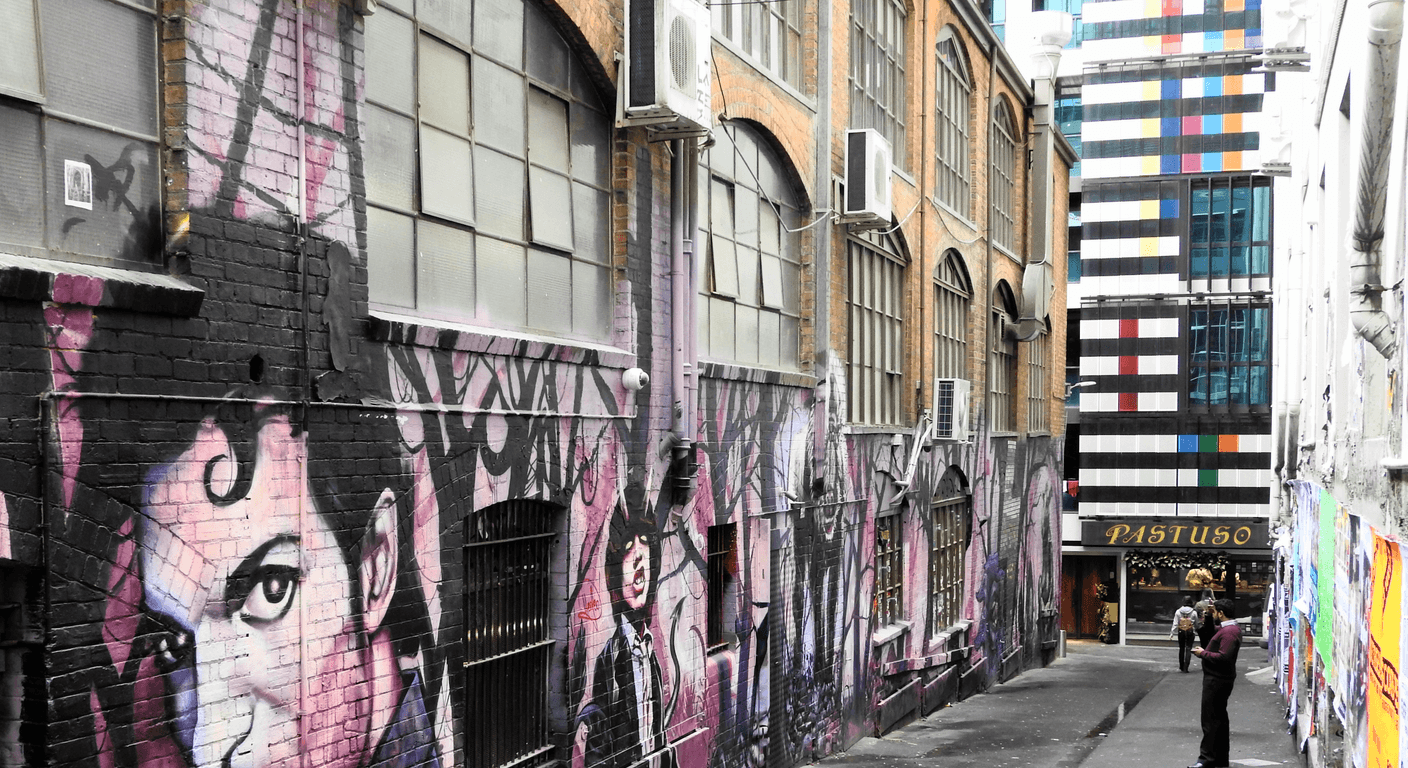
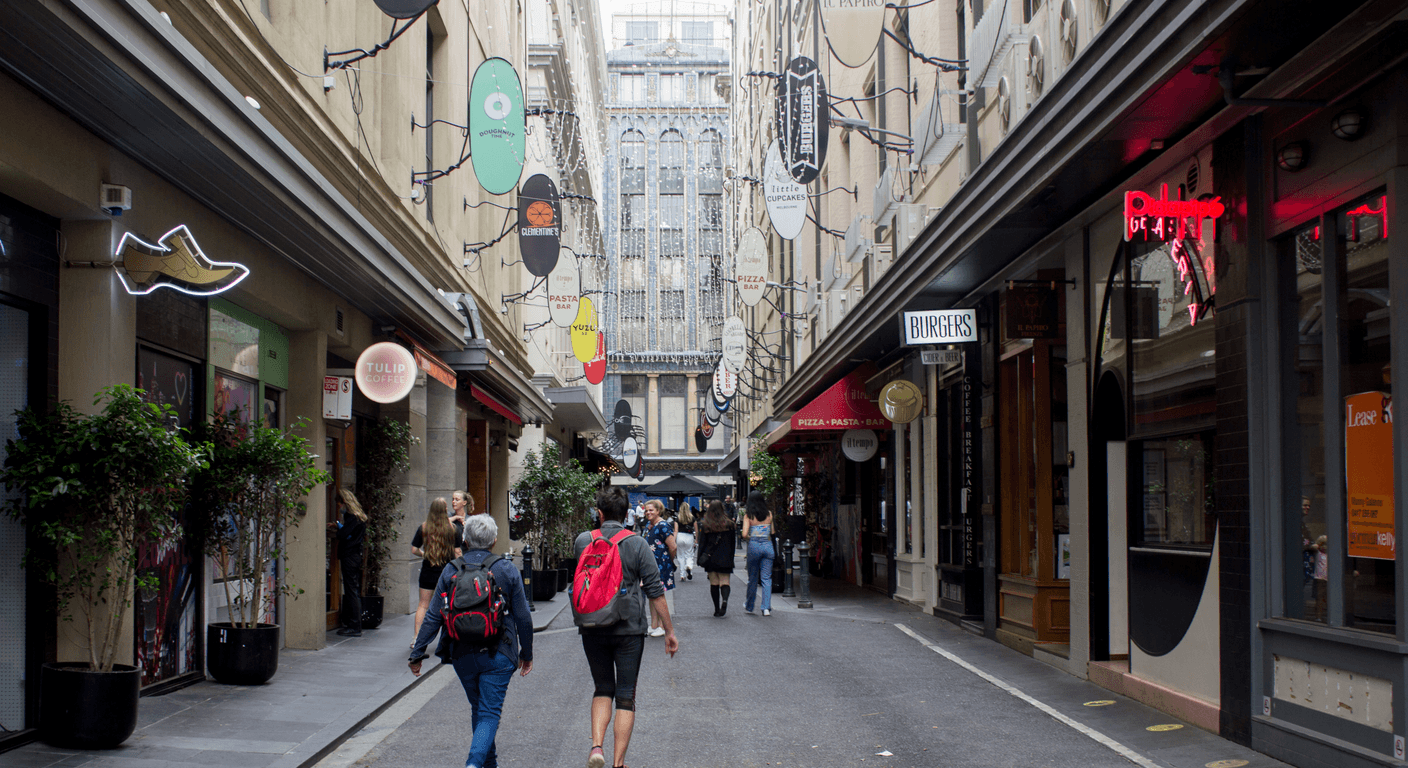
Melbourne has built a global reputation on its laneway culture, but most of that attention lands on the coffee roasters and wine bars. Tucked behind them — sometimes literally through a doorway you would assume leads to a storeroom — are small, family-run kitchens that have been ladling out pho, congee and slow-cooked broths for years without much fanfare. The prices have stayed honest because the overheads are low and the clientele is local.
For a couple who has eaten their way around a Greek table their whole life, there is something immediately familiar about this kind of cooking: the patience of it, the way a good broth takes all morning. These are not fusion experiments or Instagram-bait bowls. They are straightforward, warming and filling — and on a cool Melbourne morning or a grey winter afternoon, there is very little better.
The honest appeal is also practical. A bowl of pho or congee for two people, with a pot of tea, rarely exceeds $30 to $35 combined — often less. That leaves room in the day's budget for a tram ride, a coffee afterwards and perhaps a bakery stop on the way home. It is the kind of feed that does not require a reservation, a dress code or a willingness to shout over a packed dining room.
Which Laneways Are Worth Knowing About?
Degraves Street, running between Flinders Lane and Flinders Street, is probably Melbourne's most photographed laneway and is better known for its espresso bars. But the short cross-laneways feeding off it — Centre Place in particular — contain a few very small Vietnamese and Cantonese kitchens that most visitors overlook because the signage is modest and the menus are handwritten. Centre Place connects Flinders Lane to Collins Street and is paved with flat tiles rather than cobblestones, which makes it manageable for anyone who is careful on uneven ground.
Hardware Lane, running parallel to Elizabeth Street between Bourke and Little Bourke Streets, is broader and more open than many of the narrow city laneways. A handful of its smaller operators — not the tourist-facing Italian restaurants at the northern end — serve congee and rice-based soups at lunch. The lane itself is pedestrianised during meal times and has a relatively smooth surface. It sits a short walk from Melbourne Central Station and the Elizabeth Street tram corridor.
Little Bourke Street's western end, approaching Swanston Street, has a cluster of Vietnamese and Cantonese eateries that extend into the adjoining short lanes. Some of these are not technically in a laneway — they are ground-floor shops with narrow frontages — but they have the same character: small, family-run, cash-preferred and very good value. The surrounding footpaths are flat and the 19 and 57 trams run along Elizabeth Street one block west. Always verify a venue is still operating before making it the centrepiece of a day out, as small operators do change hours or close without much notice.
What to Order: Pho, Congee and Slow-Cooked Broth Explained
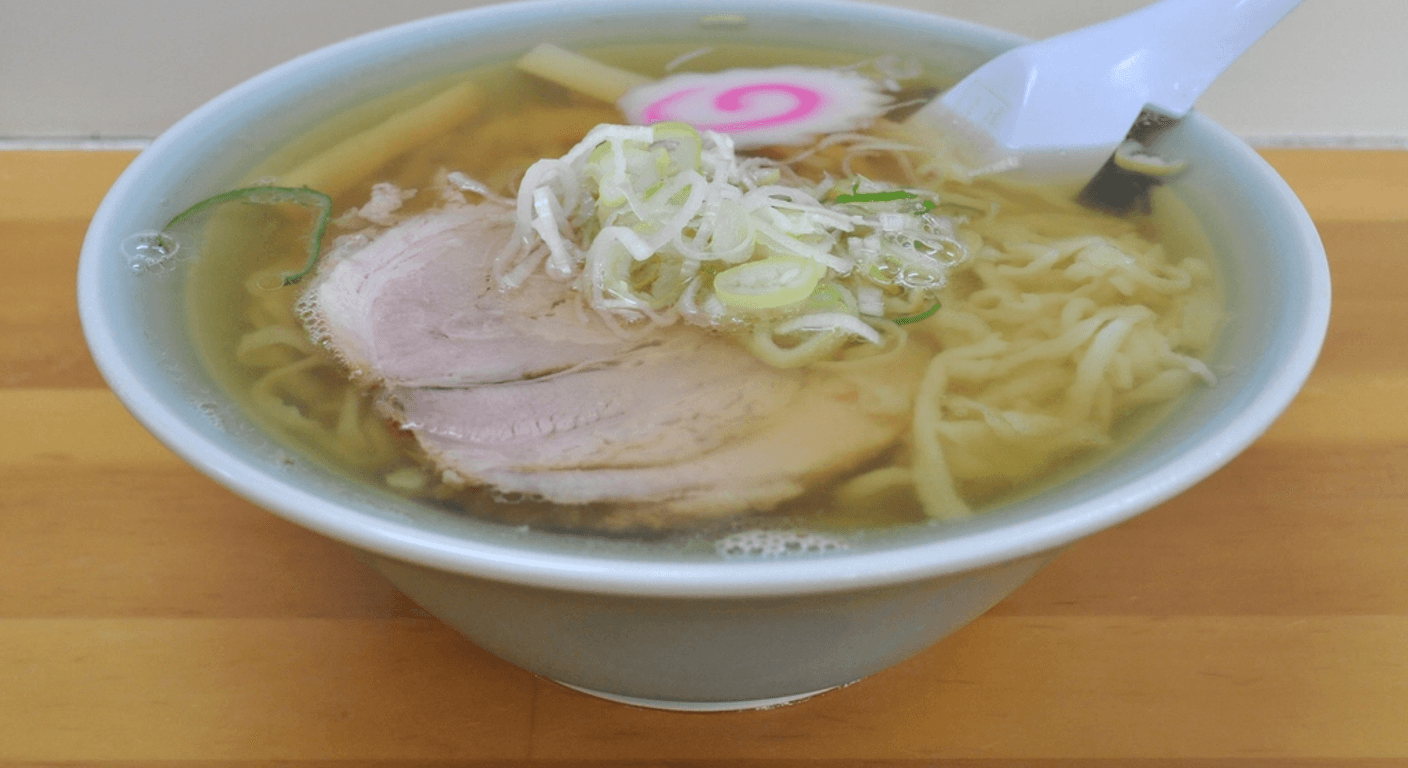
Pho is a Vietnamese beef or chicken broth served with rice noodles and a small plate of fresh herbs, bean sprouts and chilli on the side. You add what you like. The broth is the point — it simmers for hours and has a depth that is hard to fake. A bowl is self-contained, filling and easy to eat at a relaxed pace. For anyone watching sodium intake, it is worth noting that the broth is salty; ask for it on the side of the noodles if that is a concern.
Congee is a Cantonese rice porridge, cooked slowly until the grains break down into something between a thick soup and a soft porridge. It is mild, easy on the stomach and warming in a way that suits a cool day. Common toppings include century egg, shredded chicken, preserved vegetables or a soft-boiled egg. It is one of the most affordable items on any menu that carries it — typically around $10 to $14 for a generous bowl, though confirm current pricing at each venue.
Some of the smaller kitchens also carry bun bo Hue, a spicier central Vietnamese noodle soup, or simple laksa. If you are travelling with a partner who prefers something milder, congee and a plain chicken pho can usually be ordered at the same table without any issue. These kitchens are used to feeding people of all backgrounds and are not precious about customisation within reason.
When to Go for a Quiet, Unhurried Sit
The single most useful piece of advice for enjoying these spots without the crowd is to time your visit carefully. The city lunch rush runs from roughly 12:00pm to 1:30pm and these small venues — many with only eight to fourteen seats — fill quickly during that window. Arriving at 11:30am, just as the kitchen has settled into its rhythm, gives you a calm, unhurried experience and the pick of the seating. The staff are less pressured and more inclined to chat.
Arriving after 2:00pm is equally effective. By then the lunch crowd has cleared, the kitchen is winding down and the pace slows considerably. Some venues close their kitchens by 3:00pm or 3:30pm, so it is worth checking hours — many post them on a handwritten sign in the window rather than online. A mid-afternoon bowl of congee with a pot of jasmine tea is a very civilised way to rest the legs before heading to a tram stop.
Tuesday through Thursday are generally quieter than Friday or Saturday for the city laneways. Monday can be slow for the kitchens themselves — some of the smaller operators take Monday as their rest day. A quick phone call or a walk past the venue the day before is the most reliable way to confirm hours, since online listings for very small operators are often out of date.
Practical Notes: Cash, Seating and Getting There
A significant number of the smallest laneway soup kitchens are cash-only or prefer cash. This is worth knowing before you sit down, because discovering it after the meal can be awkward. Carrying $30 to $40 in small notes — tens and fives — is a sensible habit for a day of laneway eating. Some do have EFTPOS, but connectivity in basement or narrow-frontage venues can be patchy. When in doubt, ask before you order.
Seating is often limited to bar stools along a narrow bench, or a few small tables with chairs that are not padded. For anyone with hip or knee concerns, this is worth factoring in. A cushion carried in a day bag is not an overreaction — it is practical. Some venues have one or two chairs with backs rather than stools; if that matters to you, a quick look through the window before entering will tell you what you are walking into. Step access varies: some laneway kitchens are street-level and step-free, while others have one or two steps at the entrance. It is honest to say that accessibility in very old laneway buildings is inconsistent and cannot be guaranteed without checking in person.
Getting to the CBD laneways by public transport is straightforward from most of Victoria. V/Line trains serve Southern Cross Station from regional centres; from there, the free City Circle tram (Route 35) or the tram routes along Swanston and Elizabeth Streets will put you within a few minutes' walk of the main laneway precincts. Confirm your journey at ptv.vic.gov.au before you travel, and note that a Myki card is required for tram travel within the CBD outside the free tram zone boundaries.
A Good Coffee Stop Afterwards: Where to Sit Down Properly
After a bowl of broth, a proper sit-down coffee rounds the outing. Degraves Street itself — despite being well-known — has several small espresso bars with outdoor seating and a pace that suits a longer stay once the main lunch crowd has thinned. The coffee is genuinely good and the tables are close together, so arriving at 2:00pm rather than noon makes a real difference to how much room you have.
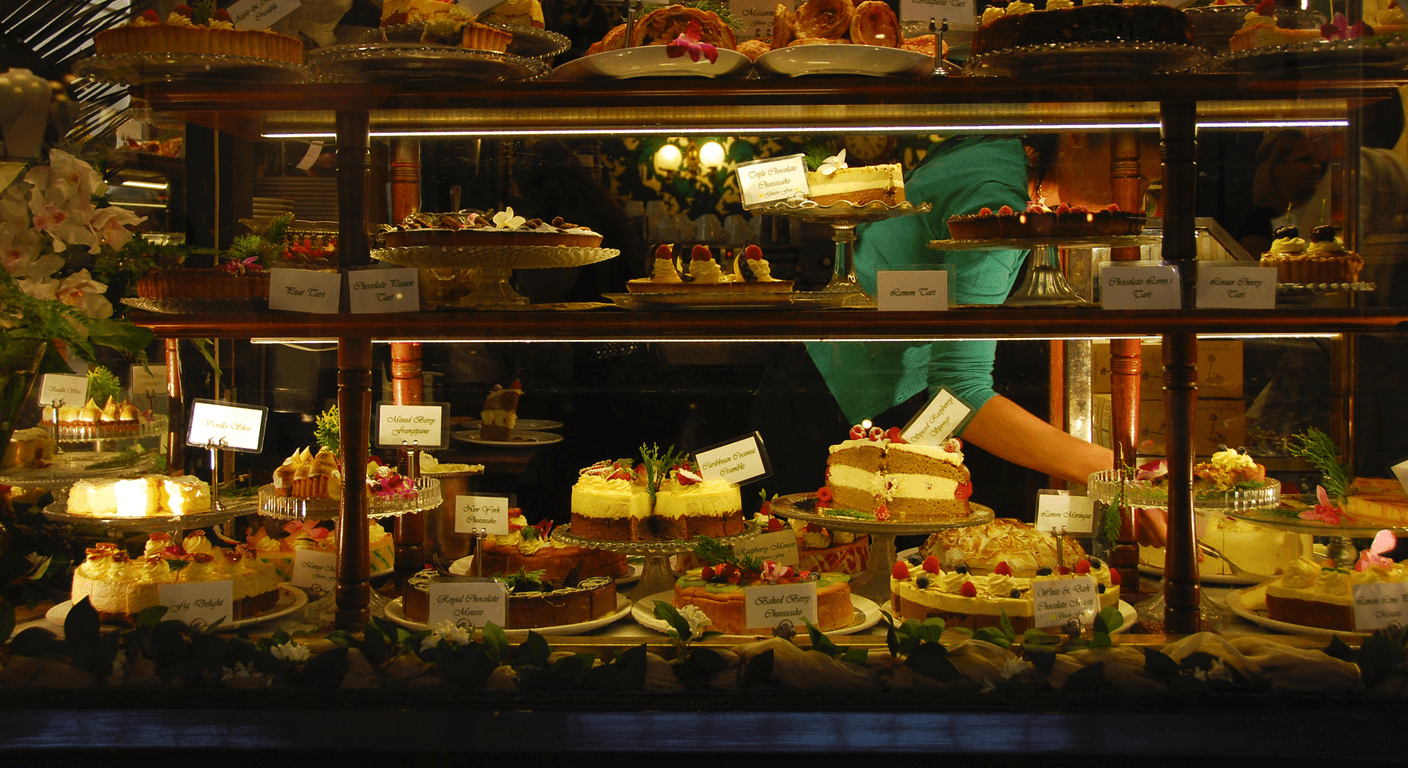
For something a little quieter, Pellegrini's Espresso Bar on Bourke Street has been operating since 1954 and is one of those Melbourne institutions that feels immediately comfortable to an older traveller with a European background. It is not a laneway venue but it is a short walk from several of the soup bar precincts and carries a sense of unhurried tradition that suits the mood of a slow afternoon. Black coffee, a small cake and a booth seat — it is a good way to end a morning in the city. Check current trading hours directly with the venue.
Hardware Lane has outdoor tables along its pedestrian stretch that catch afternoon sun in the cooler months. If the soup bar you have visited is on or near Hardware Lane, staying in the precinct for coffee rather than walking further is a practical choice. Several of the cafes there have standard chairs rather than bar stools, which is more comfortable for a longer rest.
Budgeting the Day: What a Laneway Soup Outing Costs
As an indicative guide only — confirm all current prices before you travel — a bowl of pho or congee in the smaller laneway venues tends to sit in the $10 to $16 range per person. A pot of tea or a soft drink adds another $3 to $5. For two people, a full soup lunch with drinks would typically come to somewhere around $28 to $40 depending on the venue and what is ordered. These are rough figures based on general knowledge of the category; individual venues set their own prices and these change over time.
Add a return Myki tram or train journey, a coffee stop and perhaps a bakery item and you are looking at a day out in Melbourne for two people for somewhere in the $60 to $80 range all up — indicative only. That is genuinely good value for a full day in the city and compares very favourably with the cost of eating at a well-known food hall or tourist-facing restaurant. The laneway soup bars are not cheap because they are low quality; they are cheap because they are small, efficient and not paying for a prime shopfront.
One final practical note: tipping is not expected at these venues and is not standard practice in Australian casual dining. Rounding up to the nearest note if paying cash is a common courtesy but not an obligation. The best way to show appreciation is to come back — and to tell a friend about the place.
Key takeaways
- Melbourne's lesser-known laneway soup bars serve pho, congee and slow-cooked broth for roughly $10 to $16 a bowl — confirm current prices at each venue.
- Arriving at 11:30am or after 2:00pm avoids the lunch rush and gives you a calmer, more comfortable sit in venues with limited seating.
- Many small laneway kitchens are cash-only or cash-preferred — carry $30 to $40 in small notes before you head in.
- Laneway accessibility varies: Centre Place and Hardware Lane have smoother surfaces, but step access at individual venues should be checked in person.
- The free City Circle tram (Route 35) and Elizabeth Street tram lines put the main laneway precincts within easy walking distance of public transport.
- A post-soup coffee at a nearby sit-down cafe — Degraves Street or Pellegrini's on Bourke Street — rounds out the outing without adding much to the cost.
Recommended partners and links
Indicative prices only — always confirm with the operator before booking.
Frequently asked questions
Are Melbourne's laneway soup bars suitable for older travellers with mobility concerns?
Some are and some are not. Centre Place and Hardware Lane have relatively flat, manageable surfaces, but individual venues inside laneways may have one or two steps at the entrance and limited seating with stools rather than chairs with backs. The only reliable way to check is to look in person before committing, or to call ahead if a phone number is listed.
Do Melbourne laneway soup bars accept card payments?
Many of the smallest operators are cash-only or strongly prefer cash. EFTPOS is available at some, but connectivity in narrow or basement venues can be unreliable. Carrying $30 to $40 in small notes before you sit down avoids any awkwardness after the meal.
What is the best time to visit a laneway soup bar to avoid crowds?
Arriving at 11:30am, just before the city lunch rush, or after 2:00pm when it has cleared, gives you the best chance of a calm, unhurried experience. Tuesday to Thursday are generally quieter than Friday or Saturday. Some kitchens close by 3:00pm to 3:30pm, so check hours before making a special trip.
How do you get to Melbourne's laneway soup bar precinct by public transport?
From regional Victoria, V/Line trains arrive at Southern Cross Station. From there, the free City Circle tram (Route 35) or tram routes along Swanston and Elizabeth Streets reach the main laneway precincts within a few minutes. Plan your journey at ptv.vic.gov.au and carry a Myki card for any travel outside the free tram zone.
Is congee a good option for older travellers who want something mild and easy to eat?
Congee is one of the most suitable options for anyone wanting a mild, warming and easy-to-digest meal. It is a slow-cooked rice porridge with a soft texture, usually served with simple toppings such as shredded chicken or a soft-boiled egg. It is gentle on the stomach and straightforward to eat at a relaxed pace.
Got a tip, a price update or a story from this route? The community would love to hear it.
Share your views on our Facebook page— Seniors and Solo Traveller Stories