Canberra's national institutions sit within easy reach of each other around Lake Burley Griffin, and entry to the big three — the National Gallery of Australia, the Australian War Memorial, and the National Portrait Gallery — costs nothing. For a group of friends travelling from regional Victoria, this is a genuinely full and rewarding day of art, history, and reflection without the pressure of a tight budget or a punishing itinerary.
Why Canberra works so well for a group culture day
Canberra does not always get the credit it deserves from travellers based in regional Victoria, but for a group of friends who enjoy art, history, and good conversation over lunch, it is quietly one of the best free days out in the country. The national institutions around Lake Burley Griffin were designed to be visited together, and the flat, well-maintained paths between them make that genuinely possible without needing a hire car or a complicated plan.
For women travelling in a group — particularly those who appreciate being able to move at their own pace, sit when they need to, and linger in front of something that moves them — this precinct rewards a relaxed approach. You are not rushing between paid-entry venues or watching the clock. The day belongs to you.
From regional Victoria, the most comfortable option is the V/Line coach or train service to Canberra, which runs from several regional centres with connections through Melbourne's Southern Cross Station. Check current timetables and bookings at vline.com.au well ahead of travel, as group bookings on popular routes fill up. Staying overnight in Canberra allows you to take the morning slowly and arrive at the Gallery or the Memorial when the doors open and the crowds are thinnest.
Getting between the sites: is there really a free shuttle?
The National Institutions Shuttle — commonly called the Culture Shuttle — has operated as a free service connecting the major cultural institutions around Lake Burley Griffin, including the National Gallery, the National Portrait Gallery, and the Australian War Memorial, as well as Questacon and the National Museum. Routes and operating days have varied over the years, so it is worth confirming the current schedule directly with Visit Canberra at visitcanberra.com.au or with the individual institutions before your trip.
If the shuttle is not running on your chosen day, the walk between the National Gallery of Australia and the National Portrait Gallery is short and pleasant — roughly ten minutes along the lakeside path. The Australian War Memorial is across the lake on Anzac Parade, which adds distance; a local bus or a short taxi or rideshare journey is a practical option for the group if walking the full circuit feels like too much.
Transport Canberra's bus network covers the precinct, and fares are modest — around $2.50 to $5 AUD per trip as an indicative figure, though you should confirm current pricing at transport.act.gov.au. Canberra's buses are accessible, with low floors and priority seating. If anyone in the group has a Victorian Seniors Card or a concession card, check whether it applies to ACT public transport before you travel.
The National Gallery of Australia and its sculpture garden
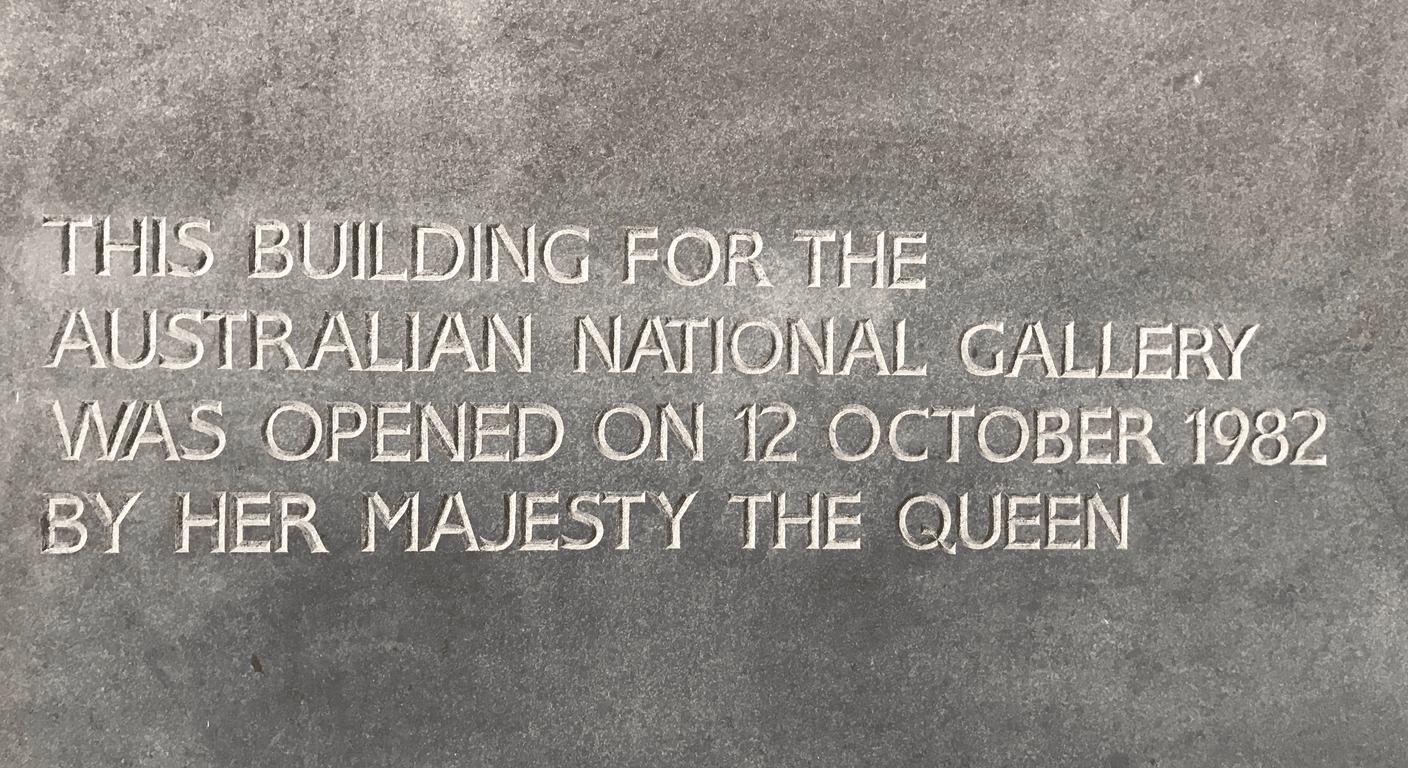
The National Gallery of Australia on Parkes Place is the anchor of the day. Its permanent collection — which includes Australian, Aboriginal and Torres Strait Islander, Asian, and international works — is free to enter and substantial enough to fill several hours without any sense of rush. The Aboriginal and Torres Strait Islander galleries are particularly worth time; they are among the most thoughtfully presented in the country.
The sculpture garden wrapping around the building is one of Canberra's quiet pleasures. It is flat, well-paved, and designed for wandering. Works by artists including Rodin sit alongside Australian pieces in a setting that feels generous rather than institutional. On a mild Canberra morning — and autumn and spring are the most comfortable seasons — it is a lovely place to start the day before heading inside.
The Gallery's café offers a reasonable option for a mid-morning coffee, and the cloakroom means you can leave bags and coats before walking the sculpture garden. Accessibility is good throughout, with lifts, wide doorways, and seating throughout the permanent galleries. If anyone in the group uses a walking frame or wheelchair, the Gallery's accessibility page at nga.gov.au has current detail on facilities.
The Australian War Memorial: what to expect in 2026
The Australian War Memorial at the top of Anzac Parade is one of the most visited sites in the country, and for good reason. It is a place that carries real emotional weight — the Roll of Honour, the Eternal Flame, the Hall of Memory — and a group of women in their sixties will likely find it speaks to them in ways that are personal and sometimes unexpected. Allow at least ninety minutes, and more if the group wants to move slowly.
The major redevelopment project has been transforming the Memorial's galleries and precinct since the early 2020s, with new spaces opening progressively. In 2026, some areas may still be under construction or recently opened, so checking the Memorial's website at awm.gov.au before your visit will tell you exactly what is accessible and what is new. Entry remains free.
The Last Post Ceremony, held at the Memorial each day at 4:30 pm, is a short and dignified commemoration of a different serviceperson each day. If the group's timing allows, it is worth staying for. Seating is available, and the ceremony is accessible for those who find standing for extended periods difficult. The Memorial's grounds and main building are flat and well-maintained; the website has detailed accessibility information.
The National Portrait Gallery: a more intimate experience
The National Portrait Gallery sits between the National Gallery and the lake, in a building that is modern, light-filled, and human in scale. Where the other institutions can feel grand, the Portrait Gallery feels personal. The collection traces Australian identity through portraits of people who have shaped the country — politicians, artists, athletes, scientists, and everyday Australians — and it tends to prompt exactly the kind of conversation a group of friends enjoys.
Temporary exhibitions rotate through the year and are often free, though some ticketed shows do appear. The permanent collection is always free. The Gallery is quieter than its neighbours, which can be a relief in the middle of a full day. There is comfortable seating throughout, and the layout is easy to navigate without a map.
The Portrait Gallery's café — Portrait Cafe — is a relaxed option for a light lunch or afternoon tea. It is not the most affordable spot in Canberra, but it is convenient and the food is decent. For a more budget-conscious lunch, the options near the National Gallery and along the lakeside precinct are outlined in the next section.
Where to have an affordable lunch near the lake
The most practical and affordable lunch option for a group is the National Gallery of Australia's own café, which offers sandwiches, salads, and hot dishes at prices that are reasonable by capital-city standards — roughly $15 to $25 per person for a main, though confirm current pricing when you visit. Eating here means you do not need to leave the precinct mid-morning and can time your meal between the Gallery and the Portrait Gallery.
Alternatively, the Parkes area along King Edward Terrace has a handful of cafés and a small IGA supermarket where you can pick up sandwiches, fruit, and drinks to eat by the lake. This is the most budget-friendly option and particularly pleasant on a calm day when the lake is still and the light is good. There are accessible picnic tables and benches along the foreshore path.
If the group is happy to travel a short distance by bus or rideshare, the Braddon neighbourhood — roughly ten minutes from the lakeside precinct — has a broader range of cafés and restaurants at various price points, and it is a lively, walkable strip that is worth knowing about for an evening meal if you are staying overnight. Lonsdale Street is the main drag. Check current options through visitcanberra.com.au.
Practical tips for the day: pacing, comfort, and a few things worth knowing
Canberra's weather is variable in a way that catches visitors off guard. Even in summer, mornings can be cool, and the wind off the lake adds a chill factor. Layering is sensible regardless of season. Autumn (March to May) and spring (September to November) are the most comfortable times to walk the precinct; summer days can be very warm by midday and winter mornings are cold enough to make outdoor sculpture garden time brief.
For a group, it is worth agreeing on a loose plan before you arrive — which institution first, where to meet if the group splits, and a rough time to aim for lunch. The precinct is easy to navigate but the distances between sites add up across a full day, and knowing when to sit down and when to keep moving is the difference between a satisfying day and a tiring one. None of the institutions require booking for their free permanent collections, but if a ticketed temporary exhibition interests the group, book ahead online.
Lockers and cloakrooms are available at the National Gallery and the War Memorial, which means you do not need to carry everything all day. Comfortable, flat-soled shoes are the main practical requirement. Each institution has accessible toilets, and the precinct as a whole is designed with accessibility in mind — though the War Memorial's older sections have some uneven surfaces, and the website's accessibility notes are worth reading in advance if this is relevant for anyone in the group.
Key takeaways
- Entry to the National Gallery of Australia, the Australian War Memorial, and the National Portrait Gallery is free — the day's main cost is getting there and eating.
- The sculpture garden at the National Gallery of Australia is flat, well-paved, and a genuinely pleasant way to begin the day.
- The Australian War Memorial is undergoing staged redevelopment in 2026; check awm.gov.au before visiting to confirm which galleries are open.
- A free Culture Shuttle has connected the lakeside institutions; confirm current operating days at visitcanberra.com.au before your trip.
- Autumn and spring are the most comfortable seasons for walking the Lake Burley Griffin precinct — Canberra's weather can surprise visitors at any time of year.
- The day works well as an overnight trip from regional Victoria via V/Line, giving the group time to move at their own pace rather than rushing to catch a return service.
Recommended partners and links
Indicative prices only — always confirm with the operator before booking.
Frequently asked questions
Is entry really free to Canberra's national institutions?
Yes — the permanent collections at the National Gallery of Australia, the Australian War Memorial, and the National Portrait Gallery are all free to enter. Some temporary or touring exhibitions at these venues carry a ticket price; check each institution's website before your visit to confirm what is free on the day you plan to go.
How far apart are the National Gallery, the Portrait Gallery, and the War Memorial?
The National Gallery of Australia and the National Portrait Gallery are close to each other on the southern shore of Lake Burley Griffin — roughly a ten-minute walk along a flat lakeside path. The Australian War Memorial is across the lake at the top of Anzac Parade, which is a longer walk; a bus, taxi, or rideshare is a more practical option between these two points for most visitors.
Is there a free shuttle bus between the Canberra cultural institutions?
A free Culture Shuttle has operated between the major national institutions around Lake Burley Griffin, but routes and operating days have changed over time. Confirm the current schedule at visitcanberra.com.au or with the individual institutions before your trip so you can plan the day accordingly.
How accessible is the Lake Burley Griffin cultural precinct for older travellers?
The precinct is generally well-suited to older travellers — paths between the southern institutions are flat and maintained, and all three major galleries have lifts, accessible toilets, and seating throughout. The Australian War Memorial has some older sections with uneven surfaces; check the accessibility information on the Memorial's website at awm.gov.au if this is relevant for your group.
What is the best time of year to visit Canberra's national institutions as a day trip?
Autumn (March to May) and spring (September to November) offer the most comfortable conditions for walking the lakeside precinct. Canberra summers can be very hot by midday, and winters are cold enough to make extended time outdoors — in the sculpture garden, for example — less comfortable. Whatever the season, layering is advisable as mornings near the lake can be cool even on warm days.
Got a tip, a price update or a story from this route? The community would love to hear it.
Share your views on our Facebook page— Seniors and Solo Traveller Stories