Adelaide Botanic Garden sits quietly at the edge of the city, a free 51-hectare green space that rewards a slow morning walk without costing a cent. Flat, paved paths connect the Bicentennial Conservatory, the historic Palm House, and the fragrant Rose Garden — all within easy reach of North Terrace's museums and galleries. For a Victorian traveller looking for a calm, unhurried day out in Adelaide, this is about as good as it gets.
Why Adelaide Botanic Garden Works So Well for a Solo Day Out
There are gardens, and then there are gardens that actually suit the way older travellers move through a day. Adelaide Botanic Garden falls firmly in the second category. The paths are predominantly flat, wide, and paved or well-maintained gravel — nothing that requires hiking boots or a high level of fitness. Benches appear at sensible intervals, shade is plentiful even in the warmer months, and the whole site has a quiet, unhurried atmosphere that makes it easy to set your own pace.
For a solo traveller from Victoria making a short trip to Adelaide, the Garden offers something that's harder to find than you might expect: a genuinely rewarding few hours that costs nothing, demands nothing, and leaves you feeling like you've actually seen something real. It's not a theme park version of nature. It's 51 hectares of thoughtfully maintained botanical landscape, open seven days a week, with no booking required.
The Garden sits at the north-eastern edge of the Adelaide CBD, just a short walk or free tram ride from Rundle Mall. That proximity to the city means you can combine it with a North Terrace culture stop — the South Australian Museum, the Art Gallery of South Australia, and the State Library are all within a comfortable walk — without the day feeling rushed or over-programmed.
Getting There: The Free Tram and the North Terrace Approach
Adelaide's free city tram runs along King William Street and connects to North Terrace, which forms the southern boundary of the Botanic Garden precinct. From the Adelaide Railway Station stop on North Terrace, the main Garden entrance on North Terrace is roughly a ten-minute walk east along a flat, wide footpath. For those who prefer a shorter walk, the stop near the intersection of North Terrace and Frome Road puts you almost at the Garden gate.
The Adelaide Metro website at adelaidemetro.com.au has current tram maps and timetables, and it's worth checking before you travel as routes and stops can change. The free tram zone covers the inner city, but if you're travelling from further afield — say, from a hotel in Glenelg or the inner suburbs — a standard fare applies for the outer sections. Confirm current pricing with Adelaide Metro directly.
If you're arriving by train from interstate or from the airport, Adelaide Railway Station on North Terrace is the natural starting point. From there, the walk east along North Terrace to the Garden passes the South Australian Museum, the Art Gallery, and the University of Adelaide — which makes it a pleasant warm-up to the Garden itself, particularly on a mild morning.
The Bicentennial Conservatory: Worth the Small Entry Fee
The Bicentennial Conservatory is the one part of the Adelaide Botanic Garden that carries a separate entry fee. Built in 1988 and recognised as the largest single-span glasshouse in the Southern Hemisphere, it houses a rainforest environment drawn from the lowland tropical rainforests of Papua New Guinea and northern Queensland. The air inside is warm and humid — something to be aware of if you find that uncomfortable — but the plant collection is genuinely impressive and unlike anything you'll see in a Victorian public garden.
The internal path through the Conservatory is flat and wide, with a raised walkway giving elevated views across the canopy. Seating is available inside. The whole visit takes around 30 to 45 minutes at a relaxed pace. Entry is charged separately to the main Garden; the fee is indicative at around $6 to $8 for adults, but confirm current pricing at the Garden's official website or on arrival, as fees are set by the Botanic Gardens of South Australia.
It's worth noting that the Conservatory can feel quite warm in summer, so visiting in the morning or on a cooler day is sensible. The contrast between the humid interior and the open Garden outside is part of what makes it memorable — stepping back out into the Adelaide air after the tropical environment is a pleasant reset before continuing the walk.
The Palm House and the Rose Garden: The Heart of the Walk
The Palm House is one of the Garden's oldest structures, a cast-iron and glass Victorian-era glasshouse dating to 1877. It was originally imported from Bremen in Germany and reassembled on site. Today it houses a collection of economic and medicinal plants, and it functions as both a botanical exhibit and a piece of living architectural history. Entry is included in general Garden admission, which is free.
The Rose Garden sits in the western section of the Garden and is best visited from October through to April when blooms are at their peak, though the formal layout and the pergola walk are worth seeing year-round. The paths here are flat and wide, with plenty of seating along the central axis. It's a particularly good spot for a quiet sit-down mid-morning, especially if you've walked from North Terrace and want to rest before heading to the Conservatory.
Between the Palm House, the Rose Garden, and the main lake — which sits at the heart of the Garden and has a pleasant circuit path around it — you can comfortably fill two to three hours without retracing your steps. The Garden also has a café, Botanic Gardens Restaurant, for those wanting lunch on site, though it sits at the higher end of Adelaide dining; there are more affordable café options along North Terrace if you prefer.
Accessibility: What to Know Before You Go
The main paths throughout Adelaide Botanic Garden are paved or compacted gravel and are generally manageable for those using a walking stick or a mobility aid. The North Terrace entrance has level access, and the Garden's internal layout avoids significant inclines across most of the visitor route. Wheelchair users should note that some of the less-frequented garden beds and lawn areas are on grass, but the primary circuit — Palm House, Rose Garden, lake, Conservatory — is accessible.
Accessible toilets are available within the Garden near the main visitor areas. If mobility is a significant consideration, it's worth downloading the Garden's visitor map from the Botanic Gardens of South Australia website before your visit, so you can plan a route that suits your pace and avoids any sections that might be less suitable.
The Garden does not have a motorised cart or shuttle service for visitors, so the walk is self-paced and self-directed. For most travellers in reasonable health, the main circuit is well within reach. Those with significant mobility limitations may prefer to focus on one or two key areas — the Palm House and the Rose Garden, for instance — rather than attempting the full site in a single visit.
Combining the Garden with North Terrace: A Full Day Without Rushing
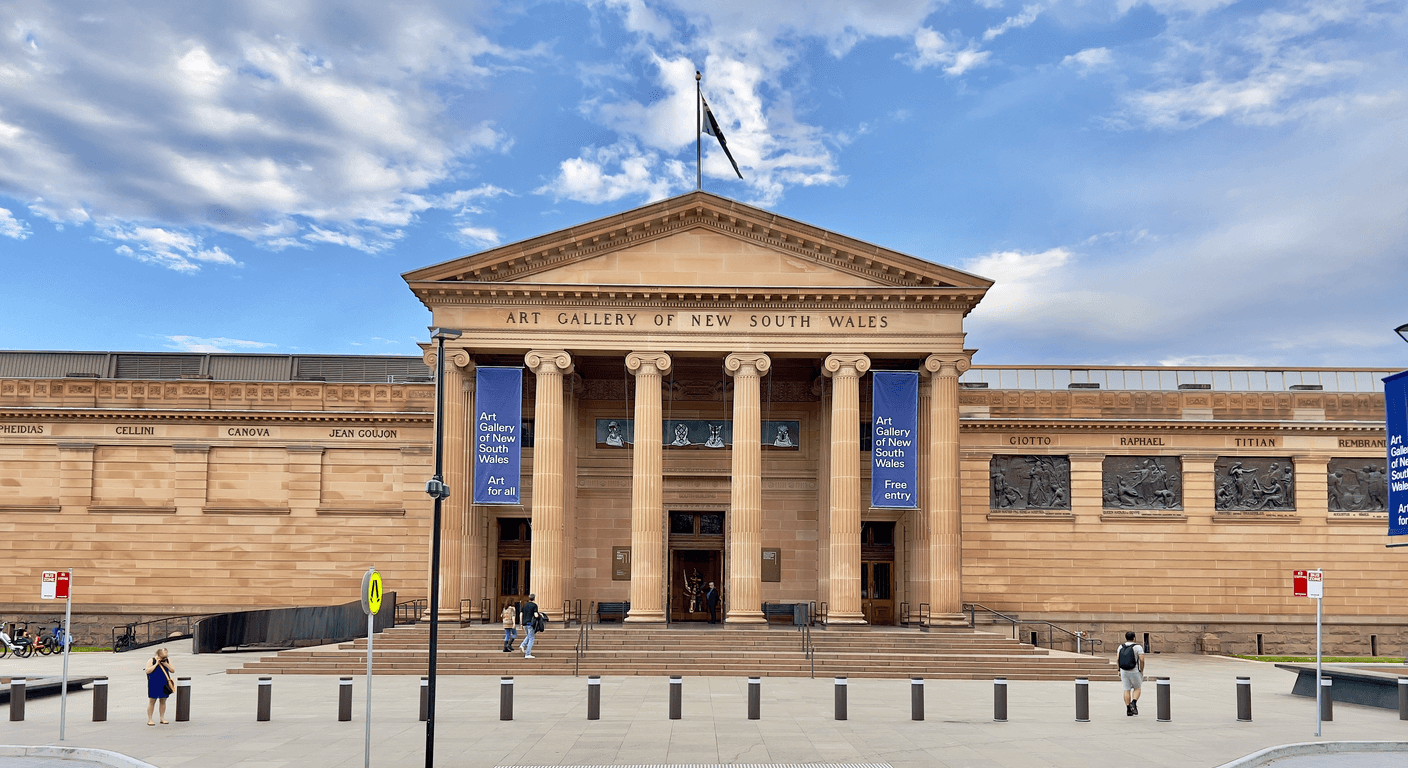
North Terrace is Adelaide's cultural boulevard, and it runs directly along the southern edge of the Botanic Garden. The South Australian Museum at samuseum.sa.gov.au has free general admission and holds one of the world's significant natural history and Pacific collections — it's the kind of place that rewards a couple of hours without feeling overwhelming. The Art Gallery of South Australia at agsa.sa.gov.au is similarly free for the permanent collection, with a strong representation of Australian and South Australian art.
A practical approach for a full day: arrive at the Garden around 9am when it opens, walk the main circuit at your own pace and visit the Conservatory mid-morning, then exit onto North Terrace around midday. Lunch options along North Terrace and Rundle Street East range from café sandwiches to sit-down restaurants, at a range of price points — budget roughly $15 to $25 for a casual lunch, though confirm current pricing locally. Then spend the early afternoon at one of the North Terrace institutions before catching the tram back to your accommodation.
That kind of day — garden in the morning, museum or gallery in the afternoon — is about as well-suited to the solo traveller's pace as Adelaide gets. There's no ticket coordination, no group timing, no pressure. You move when you want to move and stop when you want to stop. For someone travelling alone from Victoria, that autonomy is a significant part of the appeal.
Practical Details: Timing, Weather, and What to Bring
Adelaide Botanic Garden is open daily, with hours varying by season. Generally, the Garden opens at 7:15am on weekdays and 9am on weekends and public holidays, closing at sunset. Hours for the Conservatory differ and are shorter — check the current schedule at botanicgardens.sa.gov.au before your visit, as these details can change. The Garden is at its most comfortable in spring (September to November) and autumn (March to May), when Adelaide's temperatures are moderate and the Rose Garden is either approaching peak or still holding well.
Summer visits are possible but require planning. Adelaide summers can be genuinely hot, with days above 35°C not uncommon in January and February. If you're visiting in summer, aim to arrive at opening time, wear a hat and sunscreen, carry water, and plan to finish your outdoor walking by mid-morning. The Conservatory, despite its humidity, offers shade and shelter if you need to wait out the midday heat before heading to a North Terrace institution.
Bring comfortable walking shoes with flat soles — the paths don't require anything more than that. A light jacket is useful in the cooler months, particularly in the morning before the day warms up. There is no cost to enter the Garden itself, so the main expense of the day is the Conservatory entry, lunch, and transport. For a Victorian traveller, the flight from Melbourne to Adelaide typically takes around an hour; check Jetstar, Qantas, and Rex for current fares, which vary considerably by booking time and season.
Key takeaways
- Adelaide Botanic Garden has free general entry and flat, paved paths that suit older travellers moving at their own pace.
- The Bicentennial Conservatory charges a separate fee — indicatively around $6 to $8 — and is the largest single-span glasshouse in the Southern Hemisphere.
- The free Adelaide city tram runs along North Terrace, making the Garden accessible from the CBD without a car or taxi.
- The Rose Garden and Palm House are both included in free general admission and form the core of a comfortable two-to-three hour walk.
- North Terrace's South Australian Museum and Art Gallery of South Australia are both free for general entry and sit within easy walking distance of the Garden.
- Spring and autumn are the most comfortable seasons for a Garden visit; summer mornings require early starts and sun protection.
Recommended partners and links
Indicative prices only — always confirm with the operator before booking.
Frequently asked questions
Is Adelaide Botanic Garden free to enter?
Yes, general entry to Adelaide Botanic Garden is free. The one exception is the Bicentennial Conservatory, which has a separate entry fee — indicatively around $6 to $8 for adults. Confirm current pricing at botanicgardens.sa.gov.au or on arrival.
How do you get to Adelaide Botanic Garden from the CBD?
The Garden's main entrance is on North Terrace, at the north-eastern edge of the Adelaide CBD. The free Adelaide city tram runs along North Terrace; alight near Frome Road for the closest stop to the Garden gate. The walk east along North Terrace from Adelaide Railway Station takes around ten minutes. Check adelaidemetro.com.au for current tram maps and stop locations.
Is Adelaide Botanic Garden accessible for people with limited mobility?
The main visitor circuit — including the Palm House, Rose Garden, lake path, and Bicentennial Conservatory — uses paved or compacted gravel paths that are generally suitable for walking sticks and wheelchairs. Accessible toilets are available on site. The Garden does not operate a shuttle service, so the visit is self-paced on foot. Download the visitor map from botanicgardens.sa.gov.au before you go to plan a route that suits your mobility.
What is the best time of year to visit Adelaide Botanic Garden?
Spring (September to November) and autumn (March to May) offer the most comfortable conditions, with moderate temperatures and the Rose Garden either approaching peak bloom or still holding colour. Summer visits are possible but require an early start and sun protection, as Adelaide temperatures regularly exceed 35°C in January and February.
Can you combine Adelaide Botanic Garden with other attractions on North Terrace?
Yes, and it makes for a well-rounded day. The South Australian Museum and the Art Gallery of South Australia are both on North Terrace within comfortable walking distance of the Garden, and both offer free general admission. A practical itinerary is Garden in the morning, lunch on North Terrace or Rundle Street East, and one of the institutions in the early afternoon before returning to your accommodation.
Got a tip, a price update or a story from this route? The community would love to hear it.
Share your views on our Facebook page— Seniors and Solo Traveller Stories