For travellers over 60 who want more than a flight and a hire car, small-ship cruising from mainland Australia to Tasmania offers a slower, more sociable way to arrive — with the journey itself as part of the experience. Routes calling at Hobart, Bruny Island and the Tasman Peninsula suit a group of friends looking for scenery, wildlife and genuine remoteness without the logistics of driving unfamiliar roads. This guide covers the key operators, realistic costs, mobility considerations and what to expect when the Southern Ocean decides to have its say.
Why consider a small ship rather than flying to Tasmania?
Flying from Melbourne or Sydney to Hobart is quick and straightforward, but it drops you straight into the city with none of the sense of arrival that Tasmania's geography deserves. A small expedition ship — typically carrying between 50 and 120 passengers — moves at a pace that lets the coastline unfold around you. By the time you reach Hobart's waterfront, you have already seen the dolerite columns of the Tasman Peninsula from the water, and possibly spotted seals hauled out on rocks near Bruny Island. That context changes how you experience the island.
For a group of friends travelling together, the social dynamic on a small ship is quite different from a large cruise liner. Dining is communal, expedition briefings are informal, and there is a reasonable chance you will spend the entire voyage talking to the same 30 or 40 people. For many women travelling in a group, that intimacy is the point. You are not anonymous, which can feel both reassuring and genuinely enjoyable.
Compared with driving, a small ship removes the fatigue of navigating Tasmania's winding roads — some of which are genuinely tiring on the Tasman Peninsula and along the Huon Valley. If anyone in your group is less confident driving in unfamiliar terrain, or simply does not want the responsibility, handing that over to a vessel and its crew is a meaningful relief.
Which operators run small-ship itineraries to Tasmania?
Coral Expeditions is the most established Australian small-ship operator with dedicated Tasmania programs. Their vessels — Coral Adventurer and Coral Geographer — carry around 120 passengers and are purpose-built for expedition-style travel, with Zodiacs and tender boats for shore landings. Itineraries typically run 10 to 14 nights, departing from Sydney or Melbourne and calling at locations including Hobart, Bruny Island, Port Arthur and the wild southwest coast. Their Tasmania season generally runs from October through to April, aligning with the more settled weather window.
Heritage Expeditions is a New Zealand-based operator that periodically includes Tasmanian waters in its Southern Ocean itineraries. Their vessels are smaller and the focus is more strongly on wildlife and natural history, with onboard naturalists leading every landing. It is worth checking their current Australian season, as schedules vary year to year. For a group with a serious interest in birdlife or marine mammals, this style of expedition suits that curiosity well.
Smaller boutique operators also run Tasmania coastal voyages on vessels carrying 10 to 20 passengers — these tend to be more expensive per person but offer a genuinely intimate experience. The Discovery Tasmania website and Discover Tasmania's official tourism site are useful starting points for finding current operators and itinerary options. Always confirm that any operator holds the relevant Australian Maritime Safety Authority (AMSA) certification and appropriate passenger vessel licences before booking.
What destinations do these itineraries typically include?
Hobart is almost always the centrepiece, whether as a departure point, arrival point or overnight stay. Mooring at Constitution Dock or nearby berths puts you within easy walking distance of Salamanca Market (held on Saturdays), the Museum of Old and New Art shuttle, and the Tasmanian Museum and Art Gallery on Macquarie Street. For a group, Hobart rewards a day or two of unhurried exploration — the hill to MONA's ferry departure is gentle, and the ferry ride itself is part of the experience.
Bruny Island landings are a highlight of most itineraries that travel down the D'Entrecasteaux Channel. The island's South Bruny National Park has sheltered beaches and accessible walking tracks, and the wildlife — short-tailed shearwaters, little penguins at dusk, and the occasional white wallaby — is often visible without walking far from the landing site. Shore landings here are typically made by Zodiac tender, which does involve stepping from the ship's platform into the inflatable boat. More on that under mobility considerations below.
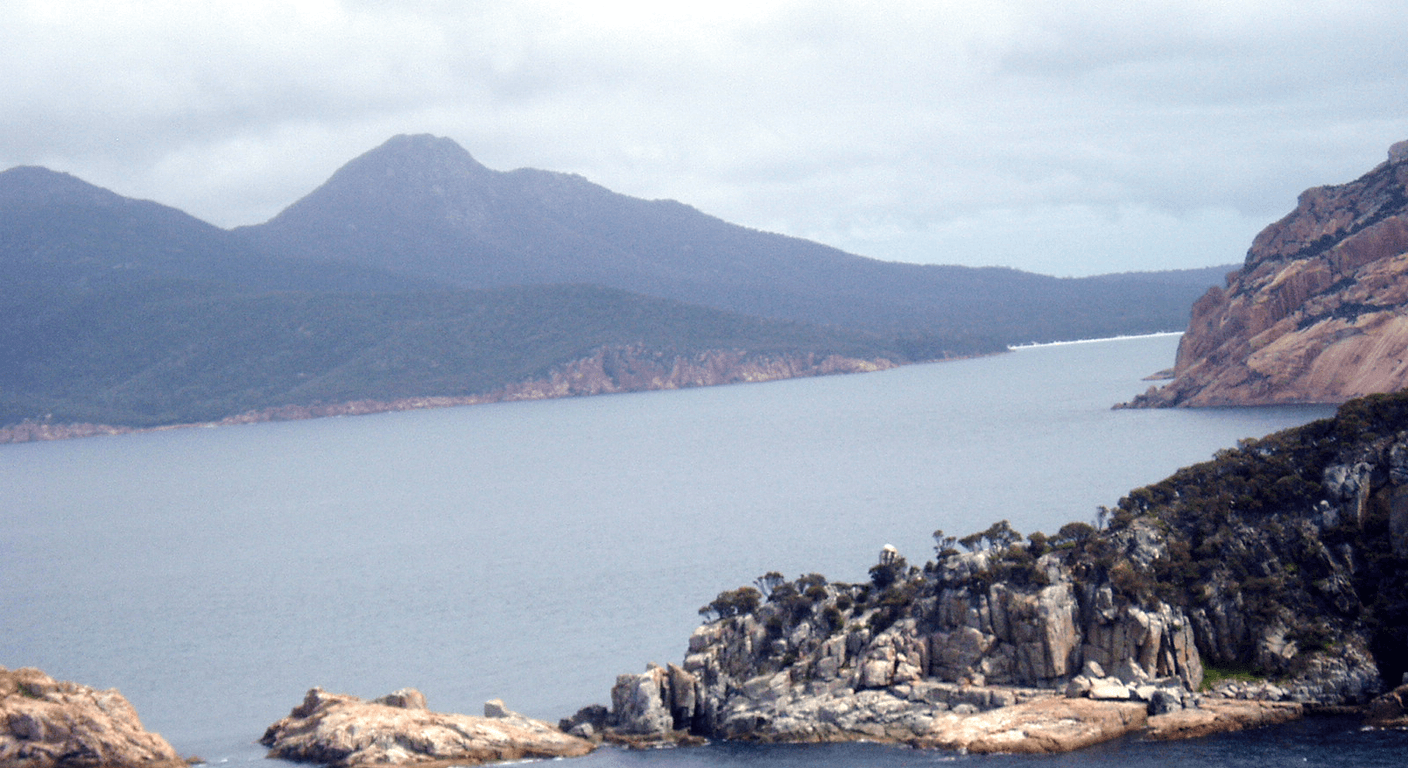
The Tasman Peninsula, viewed from the water, is one of the most dramatic stretches of coastline in Australia. Sea caves, blowholes and the towering dolerite columns at Cape Hauy and Cape Pillar are best appreciated from a small vessel that can get close without the noise and crowds of larger tour boats. Port Arthur Historic Site is sometimes included as a guided shore excursion — the site is well set up for visitors with walking difficulties, with paved paths through most of the main precinct, though the terrain is uneven in places.
What does it cost, and what is typically included?
Small-ship expedition cruising is not budget travel. Indicative prices for a 10 to 14-night Tasmania voyage with Coral Expeditions sit roughly in the range of AUD $5,000 to $9,000 per person, varying by cabin category and departure date. That is indicative only — pricing changes with season, availability and any early-booking arrangements the operator may offer. Always confirm current pricing directly with the operator before making any decisions.
What is typically included: all meals onboard, shore excursions led by expedition guides, Zodiac transfers to landing sites, port taxes, and in many cases a national parks pass. Flights to the embarkation port, travel insurance, and personal spending are almost always excluded. Alcohol is sometimes included and sometimes charged separately — worth checking the specific inclusions list carefully when comparing itineraries.
Cabins on expedition vessels are smaller than on ocean liners. A standard twin or double cabin on Coral Adventurer or Coral Geographer is functional rather than spacious — roughly comparable to a well-fitted hotel room in a compact footprint. If you are travelling with a friend and sharing a cabin, it is worth having an honest conversation about whether you are both comfortable in close quarters for 10 or more nights. Some operators offer single-supplement cabins at an additional cost, which is worth investigating if anyone in the group prefers their own space.
Tender boats, gangways and mobility: what to expect honestly
This is the section to read carefully if anyone in your group has balance concerns, hip or knee replacements, or is unsteady on moving surfaces. Most shore landings on small expedition ships in Tasmania are made by Zodiac inflatable tender, not by walking down a gangway onto a dock. Boarding a Zodiac involves stepping down from the ship's swim platform or side ladder into a moving inflatable boat, often while the vessel is gently rolling. Crew members assist on both sides, but it does require a degree of balance and lower body strength. If this is a concern, speak directly with the operator before booking — they can advise honestly whether a particular itinerary is suitable.
Hobart and some larger port stops may allow the ship to berth at a dock, in which case embarkation and disembarkation is via a gangway with handrails — more manageable for most people. The challenge is specifically the Zodiac landings at more remote sites like the southwest coast or exposed beaches. Some operators rate landings by difficulty (wet landings versus dry landings) and will advise which sites involve wading ashore. Waterproof footwear is essential regardless.
For travellers with significant mobility limitations, it is worth asking the operator directly: which specific landings on this itinerary involve Zodiac transfers, and what is the alternative if I choose not to do a particular landing? On reputable expedition ships, staying aboard during a difficult landing is always an option, and the ship's deck still offers excellent wildlife viewing. No one should feel pressured to attempt a landing that feels unsafe for them.
Weather, sea conditions and realistic expectations for cooler months
Tasmania's weather is genuinely variable, and the Southern Ocean does not soften its character for cruise itineraries. Even in the peak October-to-April window, you can expect cool days, sudden rain and periods of swell — particularly on the exposed west and south coasts. The Bass Strait crossing from the mainland can be choppy, and travellers who are prone to seasickness should discuss this honestly with themselves before choosing this style of travel. Modern expedition ships have stabilisers, but they are not immune to swell.
Itinerary changes due to weather are common and should be expected rather than treated as a disappointment. If conditions make a planned landing at a remote beach unsafe, the expedition leader will reroute to a sheltered alternative or offer a different activity. This flexibility is built into the expedition model — it is not a failure of the operator. For a group that is comfortable with that kind of uncertainty, it often leads to unexpected highlights. For travellers who need a fixed schedule, this style of cruising may not be the right fit.
The cooler months — May through September — see far fewer small-ship Tasmania departures, and those that do operate tend to focus on wildlife and wilderness rather than coastal swimming or extended shore time. If anyone in your group is sensitive to cold or damp conditions, layering clothing is essential, and a good quality waterproof jacket is non-negotiable. Most operators provide a list of recommended gear before departure.
How does small-ship cruising compare to flying or driving for a group?
Flying is faster and cheaper per person for the journey itself, but it outsources all the logistics of getting around Tasmania to you once you land. For a group, that means hiring a vehicle large enough for everyone, navigating unfamiliar roads, and organising accommodation across multiple locations. That can work well and gives maximum flexibility, but it also carries the fatigue of constant movement and decision-making. A small ship handles those logistics for you, at the cost of a fixed itinerary.
The Spirit of Tasmania car ferry has historically been a popular option for groups wanting to take a vehicle across Bass Strait, but its schedule and terminal arrangements have shifted in recent years following the Geelong terminal transition — check the current timetable at spiritoftasmania.com.au for the latest departure points and availability. The ferry is a more affordable crossing option than a full expedition cruise, but it is a transport service rather than an experience in itself, and the open-ocean crossing can be uncomfortable in rough conditions.
For a group of friends based in regional Victoria, the practical calculus often comes down to this: flying is the most efficient option for reaching Hobart, but small-ship cruising is the most rewarding option for experiencing the coastline. Many travellers in this age group find that the pace of an expedition ship — morning briefings, guided landings, early dinners, genuine time to absorb what you have seen — suits them better than the pace of self-driven travel, which can quietly become exhausting without anyone admitting it.
Key takeaways
- Small-ship expedition cruising to Tasmania typically costs around AUD $5,000–$9,000 per person for a 10–14-night itinerary — confirm current pricing with operators.
- Coral Expeditions is the most established Australian operator running dedicated Tasmania small-ship programs from Sydney and Melbourne.
- Zodiac tender landings at remote sites require reasonable balance and lower body strength — travellers with mobility concerns should discuss this with the operator before booking.
- Weather-related itinerary changes are a normal part of expedition cruising in Tasmanian waters, particularly on the exposed south and west coasts.
- Cabin sizes on expedition vessels are compact — roughly equivalent to a well-fitted but small hotel room — and worth discussing honestly with travel companions before sharing.
- For a group of friends, the social intimacy of a 50–120-passenger vessel is often the defining feature of the experience, quite different from a large cruise liner.
Recommended partners and links
Indicative prices only — always confirm with the operator before booking.
Frequently asked questions
Is small-ship cruising to Tasmania suitable for someone with a hip replacement or balance issues?
It depends on the specific itinerary and your current mobility. Shore landings at remote sites involve boarding Zodiac inflatable tenders from the ship's platform, which requires stepping into a moving boat and calls for reasonable balance and lower body strength. Landings at Hobart and some larger ports use a conventional gangway, which is more manageable. Speak directly with the operator before booking — reputable expedition companies will give you an honest assessment of which landings are accessible and confirm that staying aboard during a difficult landing is always an option.
What is the best time of year to take a small-ship cruise to Tasmania?
Most small-ship Tasmania departures operate between October and April, which offers the most settled weather and the longest daylight hours. Even within this window, conditions on the Southern Ocean and Bass Strait can be variable. The cooler months of May through September see very few departures and harsher conditions on exposed coasts. For travellers sensitive to cold or rough seas, November through February is generally the most comfortable period.
Does a small-ship Tasmania cruise include flights from regional Victoria?
No. Flights to the embarkation port — typically Sydney or Melbourne — are almost always excluded from the cruise fare and need to be arranged separately. For travellers based in regional Victoria, check current regional services through the embarkation city. Travel insurance is also excluded from cruise fares and is strongly advisable for any international or domestic expedition-style travel.
How does small-ship cruising to Tasmania compare in cost to flying and self-driving?
A small-ship expedition cruise is significantly more expensive than flying and hiring a car — indicative cruise fares start around AUD $5,000 per person for a 10-night voyage, compared with a return flight and accommodation budget that could be managed for considerably less. However, the cruise fare typically includes all meals, guided excursions and national parks access, which closes some of the gap. The comparison is less about price and more about what kind of experience you want: independent flexibility versus an all-in, guided journey along the coastline.
Can you get seasick on a small expedition ship crossing Bass Strait?
Yes, it is possible. Bass Strait is a shallow, frequently rough stretch of water, and small expedition ships — while fitted with stabilisers — do move more noticeably than large cruise liners. Travellers who know they are prone to motion sickness should discuss medication options with their GP before departure and bring appropriate remedies. Many people find the crossing manageable, particularly in calmer summer conditions, but it is worth being prepared rather than caught off guard.
Got a tip, a price update or a story from this route? The community would love to hear it.
Share your views on our Facebook page— Seniors and Solo Traveller Stories