For Victorians over 60 on a pension or concession card, keeping up with dental and eye health does not have to mean choosing between care and the weekly budget. This guide covers the two main public pathways — Dental Health Services Victoria's community dental clinics and the Victorian Eyecare Service — explaining honestly how each works, what the waiting reality looks like, and how to get started without navigating bureaucracy alone.
Why dental and eye health matter more after 60 — and cost more without a plan
After decades of working and raising a family, many Victorians arrive at retirement age with a pension or concession card in hand but no clear picture of what public health services are actually available to them. Dental and optical costs are two of the most common financial shocks in later life — private dentistry in particular can run to hundreds or even thousands of dollars for a single course of treatment, and glasses with progressive lenses are not cheap either.
The good news is that Victoria has two well-established public programs designed specifically for people in this situation: the community dental clinic network run through Dental Health Services Victoria, and the Victorian Eyecare Service for low-cost glasses and eye tests. Neither is a secret, but both are underused simply because older Victorians do not always know they exist or how to access them.
This guide is general information only and does not constitute medical or financial advice. For decisions about your specific health needs, treatment options, or eligibility, always speak with a qualified health professional or contact the relevant government service directly.
What is Dental Health Services Victoria and who is it for?
Dental Health Services Victoria (DHSV) is the state government authority that oversees public dental care in Victoria. It funds and coordinates a network of community dental clinics across metropolitan Melbourne and regional Victoria, as well as the Royal Dental Hospital of Melbourne in the CBD. These services are available to eligible Victorians at low or no cost, depending on the treatment and the patient's circumstances.
Eligibility is primarily based on holding a current concession card — this includes the Pensioner Concession Card, the Health Care Card, and the Commonwealth Seniors Health Card. Dependants listed on those cards may also be eligible. The income and asset thresholds for concession cards are set by Services Australia and change periodically, so rather than quoting a specific figure here, the right move is to check the current thresholds directly at servicesaustralia.gov.au or call Services Australia on 132 300.
It is worth noting that DHSV-funded services cover a defined scope of general dental care — examinations, X-rays, fillings, extractions, dentures, and some other treatments. Complex specialist procedures or cosmetic work are generally outside the public system. The DHSV website at dhsv.org.au sets out the current scope of funded services clearly and is the authoritative source for what is and is not covered.
Where can I find free or low-cost public dental clinics for seniors in Victoria?
Community dental clinics funded through DHSV operate across Victoria — in suburban Melbourne, in regional centres such as Geelong, Ballarat, Bendigo, Shepparton, and Wodonga, and in many smaller towns through outreach programs. The Royal Dental Hospital of Melbourne, located on Swanston Street in Carlton, is the largest single public dental facility in the state and accepts eligible patients directly. To find the clinic nearest to you, the DHSV website has a clinic locator, and healthdirect.gov.au also provides a searchable health services directory.
To register with the public dental system, you contact your nearest community dental clinic directly or approach the Royal Dental Hospital. You will need to bring your current concession card and a form of identification. Once registered, your name goes onto a waiting list for non-urgent general dental care. For a 73-year-old who has not been to a dentist in a while and is dealing with a few nagging issues, registering early is genuinely important — waiting lists for routine care at some clinics can be lengthy, and the sooner your name is on the list, the sooner you reach the front of it.
For people in acute pain or with urgent dental needs, public dental clinics do have priority access pathways for urgent care. Emergency appointments are generally available more quickly than routine scheduled care. If you are in pain, call the clinic directly and explain your situation — do not assume you have to wait months because that is the general wait time for a check-up. The Royal Dental Hospital of Melbourne also has an after-hours emergency dental service; check the DHSV website for current contact details and hours.
Waiting lists: an honest picture
It would not be honest to suggest that accessing public dental care in Victoria is quick or simple. Waiting lists for non-urgent general dental treatment at community clinics have at times stretched to well over a year in some parts of the state, and this is a widely acknowledged pressure on the system. The Victorian Auditor-General and various health advocacy groups have documented this challenge over many years, so older Victorians deserve a straight account of what they are likely to encounter.
That said, the waiting list situation varies significantly by location and by the type of care needed. Metropolitan Melbourne has more clinics and higher demand; some regional clinics have shorter waits. Urgent and emergency care is prioritised and moves faster. Denture services sometimes have separate waiting arrangements from general dental care. The only way to get an accurate current picture is to contact the specific clinic you are interested in and ask directly — waiting times quoted in news articles or online forums are often out of date.
Some Victorians on low incomes also use the federal government's Child Dental Benefits Schedule for grandchildren in their care, or access bulk-billed dental through private dentists who offer that arrangement, though bulk-billing for adults outside specific programs is uncommon. The DHSV website and the Victorian Government's betterhealth.vic.gov.au are reliable starting points for checking what options currently exist beyond the main public clinic system.
How do I access the Victorian Eyecare Service for affordable glasses and eye tests?
The Victorian Eyecare Service (VES) provides low-cost or no-cost eye tests and glasses to eligible Victorians through a network of participating private optometrists. It is administered through Vision Initiative, a not-for-profit organisation, and funded by the Victorian Government. Eligibility is again linked to holding a current concession card — Pensioner Concession Card, Health Care Card, or Commonwealth Seniors Health Card — and in some cases to low income more broadly.
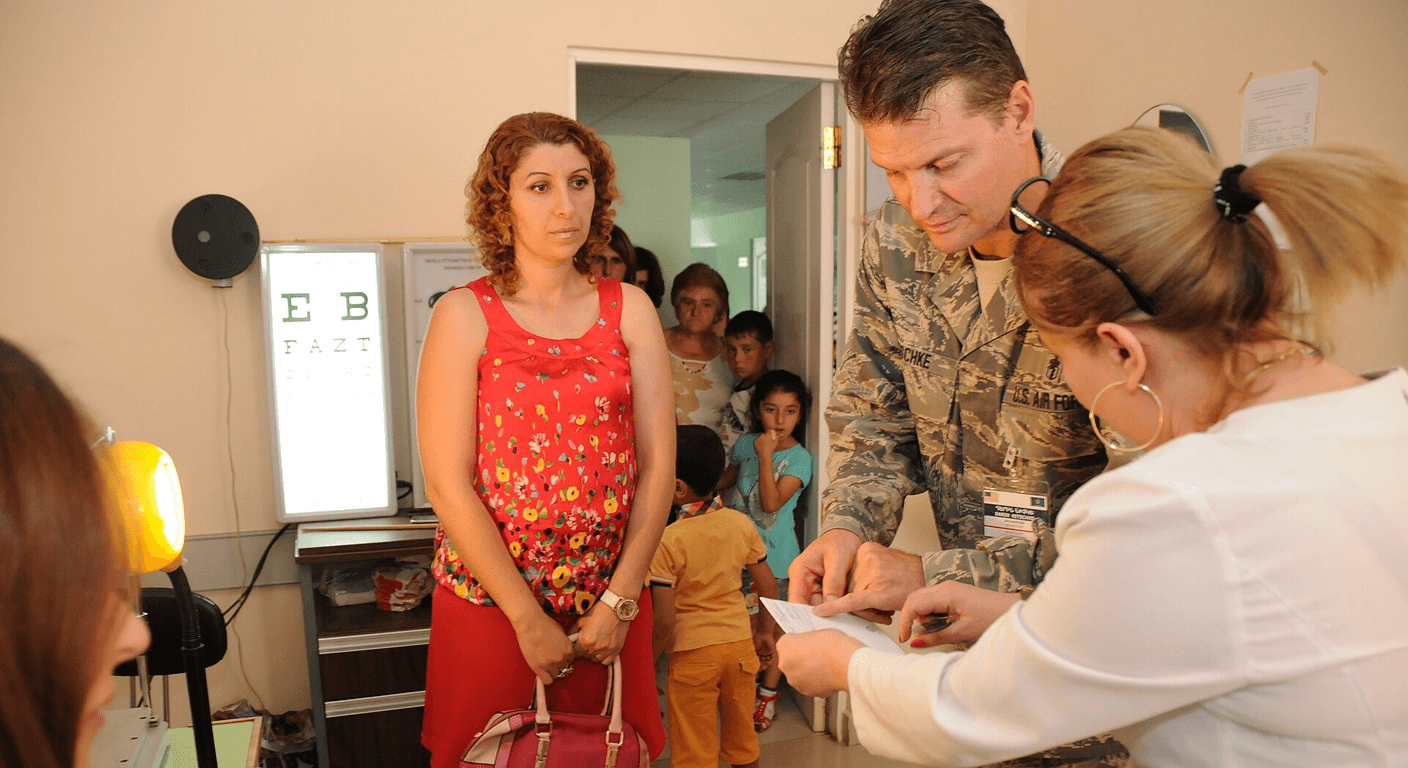
To access the Victorian Eyecare Service, you do not go to a government office — you go to a participating optometrist in your area. Not every optometrist participates, so the first step is to check the VES clinic finder on the Vision Initiative website at visioninitiative.org.au to locate a participating practice near you. When you book, let them know you are accessing the Victorian Eyecare Service and bring your concession card. The optometrist will conduct a full eye examination and, if glasses are required, you can choose from a range of frames provided under the program.
The range of frames available under the VES is functional rather than fashion-forward — it is a subsidised program, and expectations should be set accordingly. If you want a wider choice of frames or premium lens options such as progressive lenses with anti-reflection coating, there will be additional costs to pay. The optometrist will explain what is covered and what is not before any work is done. For a pensioner who simply needs a reliable pair of reading glasses or distance glasses and is not fussed about brand names, the program represents genuine value. Confirm all current costs and inclusions directly with the participating optometrist, as program details can be updated.
What about Medicare and private health insurance — how do they fit in?
Medicare does not cover general dental treatment for adults in Australia — this is one of the most common misunderstandings older Victorians have about the health system. There is no Medicare rebate for a filling, extraction, or denture for an adult, which is precisely why the public dental system matters so much for people on a pension. Medicare does cover medically necessary oral surgery performed in a hospital under certain circumstances, but routine dental care sits entirely outside its scope.
Eye tests, by contrast, are covered by Medicare when conducted by a registered optometrist — you are entitled to a Medicare-rebated eye test every three years as a general rule, or more frequently if there is a clinical reason. The Victorian Eyecare Service builds on top of this by subsidising the cost of glasses for eligible concession cardholders, since Medicare does not cover spectacles. If you have private health insurance with extras cover, it is worth checking what dental and optical benefits you have before assuming the public system is your only option — for some people, a combination of private extras and public services works well.
For those without private health insurance, the public pathways described in this guide are the main options. Financial counsellors at community legal centres or through the National Debt Helpline (1800 007 007) can sometimes help older Victorians think through whether private health insurance makes sense for their situation — that is a personal financial decision and one worth taking professional advice on rather than guessing.
Practical steps to get started — a straightforward checklist
The most useful thing an older Victorian can do right now is check that their concession card is current and correctly reflects their circumstances. Cards need to be renewed when circumstances change, and an expired or incorrect card can delay access to both dental and eyecare services. Log in to myGov or call Services Australia on 132 300 to confirm your card status. If you are not sure whether you qualify for a concession card, Services Australia can assess your eligibility.
Once your card is confirmed, register with your nearest public dental clinic — do not wait until you have a toothache. Find the clinic through the DHSV website at dhsv.org.au, call them, and ask about the registration process and current wait times for your area. At the same time, locate a participating Victorian Eyecare Service optometrist through visioninitiative.org.au and book an eye test if you have not had one recently. These are two separate registrations and two separate processes, but both can be set in motion in a single afternoon with a couple of phone calls.
If English is not your first language or you find navigating health services difficult, you have the right to request an interpreter. The Translating and Interpreting Service (TIS National) operates on 131 450 and can assist with calls to government agencies and health services. For a Greek-Australian household, this service is available in Greek and is free to use when calling government-funded health services.
Key takeaways
- Victorian concession cardholders — including Pensioner Concession Card holders — are eligible for low-cost public dental care through Dental Health Services Victoria's community clinic network.
- Waiting lists for non-urgent public dental care in Victoria can be long; registering early and contacting your nearest clinic directly for current wait times is the practical approach.
- The Royal Dental Hospital of Melbourne on Swanston Street in Carlton offers priority access for urgent dental pain — call ahead rather than assuming you must wait.
- The Victorian Eyecare Service provides low-cost eye tests and glasses through participating optometrists for eligible concession cardholders; find a participating clinic at visioninitiative.org.au.
- Medicare does not cover routine adult dental treatment; it does cover optometrist eye tests, with the Victorian Eyecare Service subsidising glasses on top of that for eligible patients.
- The Translating and Interpreting Service (TIS National, 131 450) is free to use when calling government-funded health services and is available in Greek and many other languages.
Recommended partners and links
Indicative prices only — always confirm with the operator before booking.
Frequently asked questions
Where can I find free or low-cost public dental clinics for seniors in Victoria?
Public dental clinics for eligible concession cardholders in Victoria are funded through Dental Health Services Victoria (DHSV). The Royal Dental Hospital of Melbourne in Carlton is the largest, and community dental clinics operate across metropolitan and regional Victoria. Use the clinic locator at dhsv.org.au or search healthdirect.gov.au to find your nearest clinic. You will need a current Pensioner Concession Card, Health Care Card, or Commonwealth Seniors Health Card to register. Contact the clinic directly to ask about current waiting times, as these vary by location and type of treatment needed.
How do I access the Victorian Eyecare Service for affordable glasses and eye tests?
The Victorian Eyecare Service provides low-cost or no-cost eye tests and glasses to eligible concession cardholders through a network of participating private optometrists across Victoria. To access it, find a participating optometrist near you using the clinic finder at visioninitiative.org.au, book an appointment, and bring your current concession card. The optometrist will conduct a full eye examination and advise you on what is covered under the program. Confirm current inclusions and any out-of-pocket costs with the optometrist at the time of booking, as program details can change.
How long are the waiting lists for public dental clinics in Victoria?
Waiting times for non-urgent general dental care at Victorian public clinics vary considerably by location and can be lengthy — in some areas more than a year for routine treatment. Urgent and emergency dental care is prioritised and generally available much sooner. The only reliable way to get a current wait time estimate is to call your nearest community dental clinic directly and ask. Registering as early as possible is the best practical step, as your position on the list improves from the day you register.
Does Medicare cover dental treatment for older Australians?
Medicare does not cover routine adult dental treatment in Australia, including check-ups, fillings, extractions, or dentures. This applies regardless of age or pension status. Medicare does cover eye tests conducted by a registered optometrist, generally once every three years or more frequently if clinically required. For dental costs, the main public options for concession cardholders are the DHSV community clinic network and the Royal Dental Hospital of Melbourne.
What concession cards make you eligible for public dental and eyecare services in Victoria?
Eligibility for both Dental Health Services Victoria community dental clinics and the Victorian Eyecare Service is primarily based on holding a current Pensioner Concession Card, Health Care Card, or Commonwealth Seniors Health Card issued by Services Australia. Dependants listed on eligible cards may also qualify. Concession card income and asset thresholds are set by Services Australia and change periodically — check the current thresholds at servicesaustralia.gov.au or call Services Australia on 132 300 to confirm your eligibility.
Got a tip, a price update or a story from this route? The community would love to hear it.
Share your views on our Facebook page— Seniors and Solo Traveller Stories