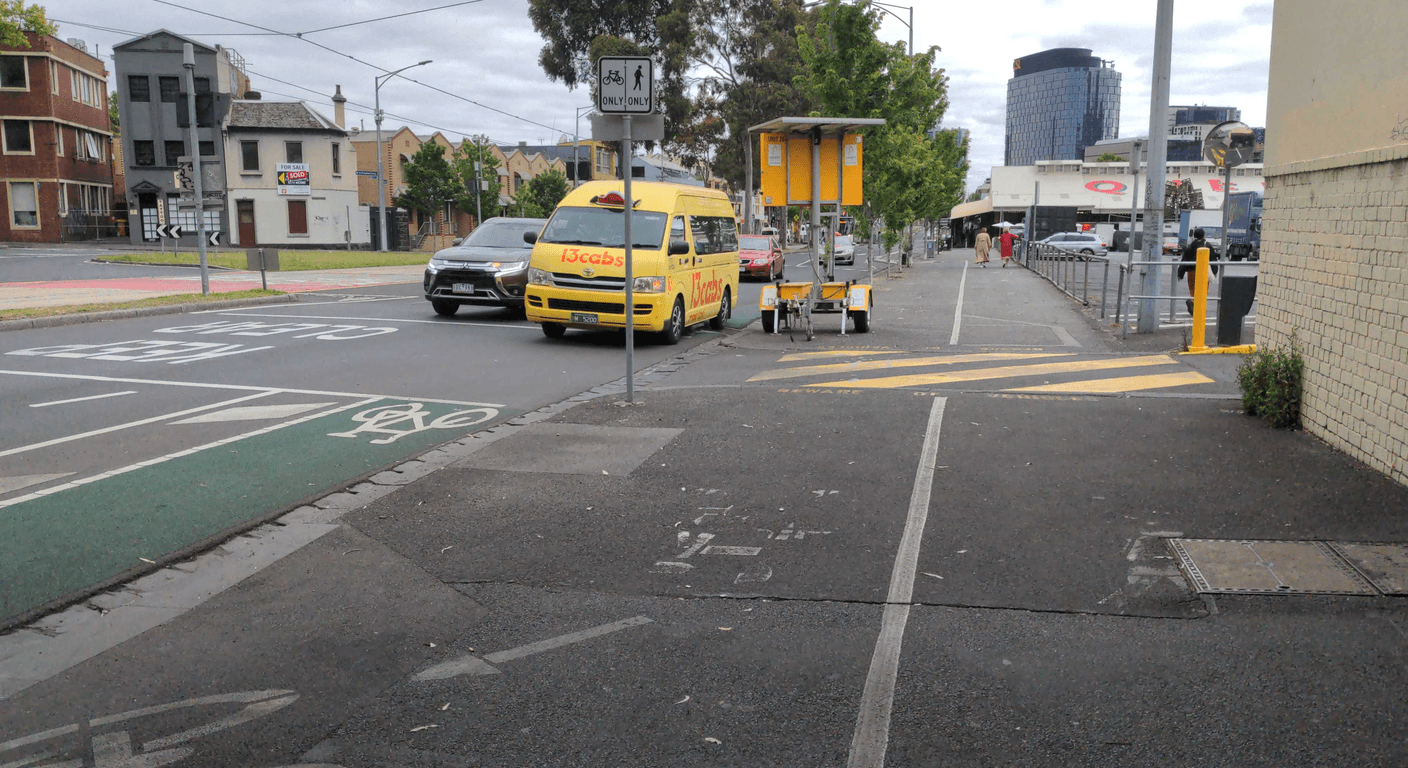
When driving becomes difficult or stops altogether, two Victorian government schemes can make a real difference to how you get around: the Multi-Purpose Taxi Program (MPTP) and the Victorian Accessible Parking Permit (APP). This guide explains what each scheme offers, who qualifies, and how to apply — written for travellers and everyday life alike.
Why These Two Schemes Matter When Driving Gets Harder
For many Victorians in their sixties and seventies, there comes a point when driving — whether due to vision changes, a health condition, or the aftermath of surgery — becomes unreliable or simply no longer safe. That shift can feel isolating, particularly for those who have always been the one behind the wheel, whether ferrying grandchildren or hosting friends for a weekend away in regional Victoria.
The good news is that two well-established Victorian government schemes exist specifically to ease that transition. The Multi-Purpose Taxi Program subsidises taxi and some rideshare fares for people with qualifying disabilities or medical conditions. The Victorian Accessible Parking Permit allows eligible people to use designated accessible parking bays across the state and, under national recognition, in other Australian states and territories as well.
Neither scheme is means-tested in the way that some financial concessions are, and neither requires you to have stopped driving entirely — the Accessible Parking Permit, in particular, can be held by a driver who simply needs to park closer to destinations. Understanding both early, rather than waiting for a crisis, gives you and the people you travel with far more flexibility.
What Is the Multi-Purpose Taxi Program (MPTP)?
The Multi-Purpose Taxi Program is a Victorian Government initiative that subsidises taxi travel for people who have a permanent or long-term disability or medical condition that makes it difficult or impossible to use public transport. The subsidy effectively halves the metered fare on each trip, up to an indicative annual cap — the exact current cap amount should be confirmed on the official government website, as it is reviewed periodically.
In practical terms, the way it works is straightforward. Once registered, you receive a smartcard. When you take a taxi, you present the card to the driver, who processes it through the meter system. You pay roughly half the metered fare; the government covers the rest directly with the taxi operator. The subsidy applies per trip, not per person, so a carer or companion travelling with you is covered on the same fare.
The MPTP is administered by the Department of Transport and Planning, and registration is managed through Services Victoria. It is worth noting that not all taxis operate in every regional area of Victoria, so if you are based outside Melbourne, it is sensible to check local taxi availability before relying heavily on the scheme for regular travel.
How Do I Apply for the Multi-Purpose Taxi Program (MPTP) for Subsidized Taxi Travel?
Eligibility for the MPTP is based on a permanent or long-term medical condition or disability that significantly limits your ability to use public transport. This is assessed through a medical certificate completed by a registered medical practitioner — typically your GP. The certificate must confirm the nature of your condition and how it affects your capacity to travel on standard public transport. The GP does not decide eligibility; the Department of Transport and Planning makes the final determination based on the submitted evidence.
The application itself can be completed online through the Services Victoria website at services.vic.gov.au, where you will also find the current medical certificate form to take to your GP. Once your application is approved, a smartcard is posted to you. If you prefer, some community health services and disability support organisations can assist with the paperwork, which is helpful if navigating online forms is not straightforward.
For rideshare services such as Uber or DiDi, the situation is more limited. As of the most recent guidance available, the MPTP subsidy does not automatically apply to rideshare trips in the same way it does with metered taxis — but it is worth checking the current position on vic.gov.au or calling the MPTP directly, as policy in this area has been subject to review. Always confirm current arrangements before assuming rideshare trips will be subsidised.
Using the MPTP in Practice: Tips for Travellers
The smartcard functions like a concession card at the point of payment. You present it before or at the start of the trip so the driver can activate the subsidy through their meter system. If a driver is unfamiliar with the process — which can happen with newer operators — you can show them the information on the back of the card or direct them to the taxi network's own guidance. Most established Melbourne taxi networks process MPTP cards routinely.
Keep an eye on your annual subsidy balance. You can check it through the Services Victoria app or website. If you travel frequently for medical appointments, social outings, or short trips around your suburb, it is easy to use a significant portion of the annual allocation earlier than expected. Planning longer or less frequent journeys — such as a day trip to the Dandenong Ranges or a visit to a regional town — is worth factoring in.
If your condition changes and you feel you are no longer eligible, or if you move interstate permanently, you should notify the Department of Transport and Planning. Equally, if your condition worsens and you feel your level of need has changed, contact them to discuss whether your registration details need updating. The scheme is designed to reflect your actual circumstances, not a snapshot from years ago.
What Is the Victorian Accessible Parking Permit (APP)?
The Accessible Parking Permit — sometimes still referred to informally as a disabled parking permit — is a nationally recognised scheme in Victoria that allows eligible people to park in designated accessible parking spaces. In Victoria, the scheme is administered by VicRoads (now part of the Department of Transport and Planning) in partnership with local councils, which handle many of the in-person applications.
There are two main permit types. The first is for a driver who has a disability or condition affecting their mobility. The second is for a passenger — this is particularly relevant if you no longer drive yourself but travel regularly as a passenger and need the driver to park close to your destination. The passenger permit is attached to the person, not the vehicle, meaning it can be used in any car that is transporting you.
The permit is recognised under a national scheme, which means it is valid in designated accessible parking bays across all Australian states and territories — a practical benefit for those who travel interstate to visit family or take short holidays. It does not, however, apply to parking in other countries, and conditions in other states can differ slightly, so it is sensible to check local rules when travelling.
How Do I Get a Disabled Parking Permit Under the Victorian Accessible Parking Permit Scheme?
The application process begins with your GP or a specialist, who completes a medical assessment confirming your condition and how it affects your mobility. The medical practitioner must certify that your condition meets the eligibility criteria set out under the scheme — broadly, that you have a disability or medical condition that significantly limits your ability to walk. This is not a character reference; it is a clinical assessment, so be specific with your doctor about the difficulties you experience day to day.
Once you have the completed medical certificate, you submit an application to your local Victorian council. Many councils accept applications in person at their customer service centres, and some also process them by post or online — check your council's website for current arrangements. A fee applies for the permit, though the indicative cost is modest; confirm the current amount with your council as fees can change. The permit is typically issued for a set period, after which it needs to be renewed with a further medical review.
If you are not sure which council to contact, the Victorian Government's council finder at vic.gov.au/find-your-local-council can point you in the right direction. For people in aged care facilities or with limited mobility who find it difficult to attend in person, it is worth asking whether your council offers any assisted application process or whether your aged care provider can help facilitate the paperwork.
Planning Around Both Schemes: Practical Advice for Later-Life Travel
Both the MPTP and the Accessible Parking Permit work best when you have them in place before you urgently need them. Applying after a fall, a diagnosis, or a licence surrender can mean a stressful wait during a period that is already unsettling. If you or a travelling companion is in the 65–75 age range and has any ongoing health condition affecting mobility or transport, it is worth having a frank conversation with your GP about whether either scheme might apply — not as an admission of decline, but as sensible forward planning.
For those who travel regularly around Victoria — whether to visit family in Ballarat, take a coastal break on the Mornington Peninsula, or attend medical appointments across Melbourne — having both a subsidised taxi card and an accessible parking permit provides real flexibility. The taxi subsidy covers journeys where driving is not possible; the parking permit supports journeys where you or your companion still drives but needs to manage distance from the car to the destination.
It is also worth noting that these schemes sit alongside other Victorian concessions such as the Seniors Card and the Myki Senior concession, which together can substantially reduce the cost and effort of getting around. No single scheme covers every situation, but used together they form a practical toolkit. Always verify current details directly with Services Victoria or VicRoads, as eligibility criteria, caps, and processes are updated from time to time.
Key takeaways
- The MPTP subsidises roughly half the metered taxi fare for eligible Victorians with a permanent or long-term disability affecting their ability to use public transport.
- A GP-completed medical certificate is the starting point for both the MPTP application and the Accessible Parking Permit application.
- The MPTP smartcard is used at the point of payment in the taxi; the annual subsidy cap should be checked on the current Services Victoria website as it is reviewed periodically.
- The Victorian Accessible Parking Permit is recognised in designated accessible parking bays across all Australian states and territories under a national scheme.
- There are two APP permit types: one for drivers with mobility limitations, and one for passengers who need the driver to park close to the destination.
- Applying for both schemes before you urgently need them — rather than waiting for a crisis — gives you and your travel companions far more flexibility.
Recommended partners and links
Indicative prices only — always confirm with the operator before booking.
Frequently asked questions
How do I apply for the Multi-Purpose Taxi Program (MPTP) for subsidized taxi travel?
To apply for the MPTP in Victoria, you first need a registered medical practitioner — usually your GP — to complete an MPTP medical certificate confirming you have a permanent or long-term disability or medical condition that significantly limits your ability to use public transport. You then submit the completed certificate as part of an application through Services Victoria at services.vic.gov.au. If approved, a subsidy smartcard is posted to you, which you present to taxi drivers to have roughly half the metered fare covered by the government. The current medical certificate form and full eligibility criteria are available on the Services Victoria website, and it is worth confirming current details there as the scheme is updated periodically.
How do I get a disabled parking permit under the Victorian Accessible Parking Permit scheme?
To obtain a Victorian Accessible Parking Permit (APP), you begin by having your GP or a relevant specialist complete a medical assessment confirming that your disability or medical condition significantly limits your mobility. With that medical certificate in hand, you apply through your local Victorian council — most councils accept applications in person, by post, or online. A fee applies, and the permit is issued for a set period before requiring renewal. The permit is nationally recognised, meaning it is valid in accessible parking bays in all Australian states and territories. For current fees, renewal periods, and application forms, contact your local council directly or visit vicroads.vic.gov.au.
Does the MPTP subsidy apply to rideshare services like Uber?
As of the most recent guidance available, the MPTP subsidy is primarily designed for metered taxi travel and does not automatically apply to rideshare services such as Uber or DiDi in the same way. However, policy in this area has been subject to review, so it is important to check the current position directly on vic.gov.au or by contacting the Department of Transport and Planning before assuming rideshare trips will be subsidised.
Can the Accessible Parking Permit be used if someone else is driving me?
Yes. There is a specific passenger permit type under the Victorian Accessible Parking Permit scheme for people who travel as passengers rather than as drivers. This permit is attached to you as the individual, not to a particular vehicle, so it can be used in any car that is transporting you — whether a family member's car, a friend's car, or a community transport vehicle. The driver can park in a designated accessible bay while you are in the car.
How long does the Accessible Parking Permit last, and how do I renew it?
The Victorian Accessible Parking Permit is issued for a set period — the exact duration depends on your medical circumstances and is determined at the time of issue. When it is due for renewal, you will generally need to go through a further medical review with your GP or specialist and reapply through your local council. Your council will advise on current renewal timeframes and any associated fees, both of which can change, so it is best to confirm details directly rather than relying on information from a previous application.
Got a tip, a price update or a story from this route? The community would love to hear it.
Share your views on our Facebook page— Seniors and Solo Traveller Stories