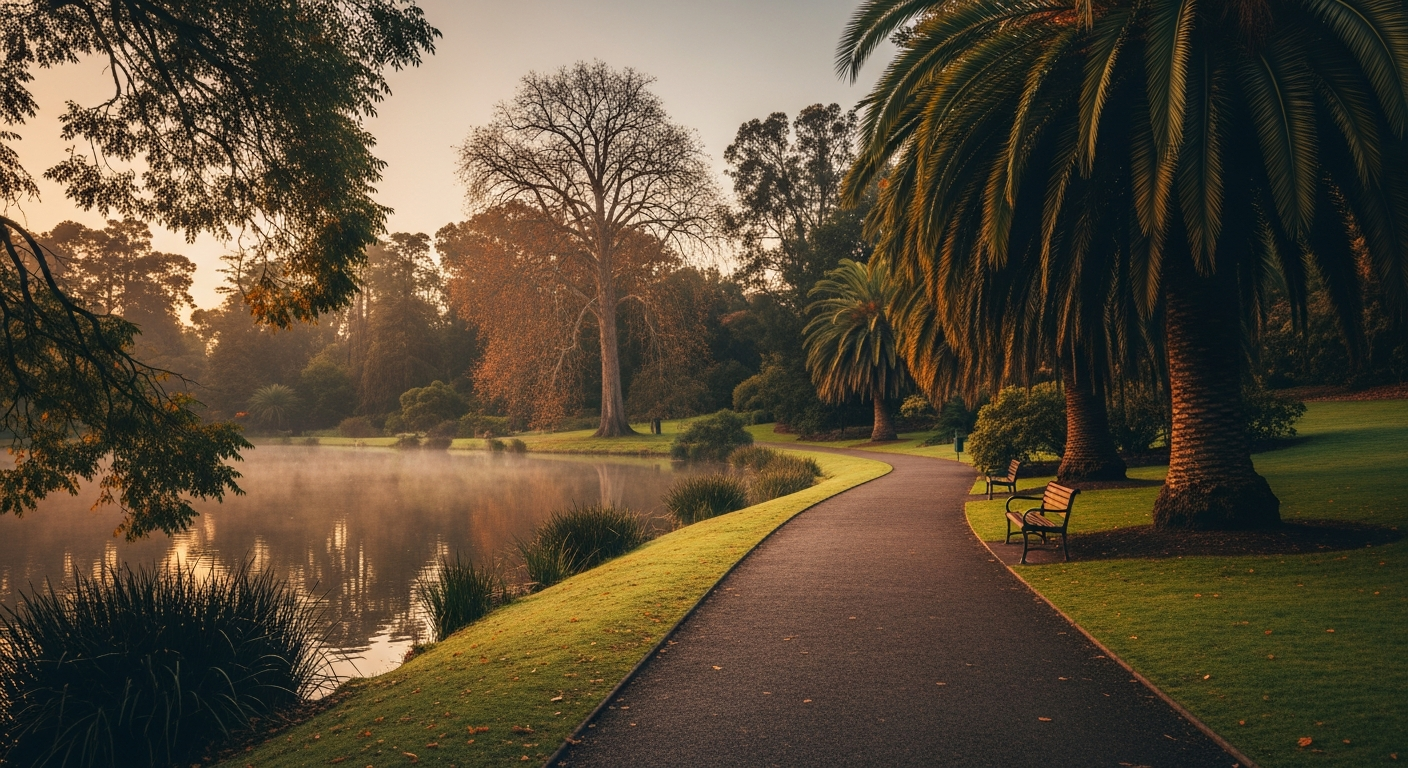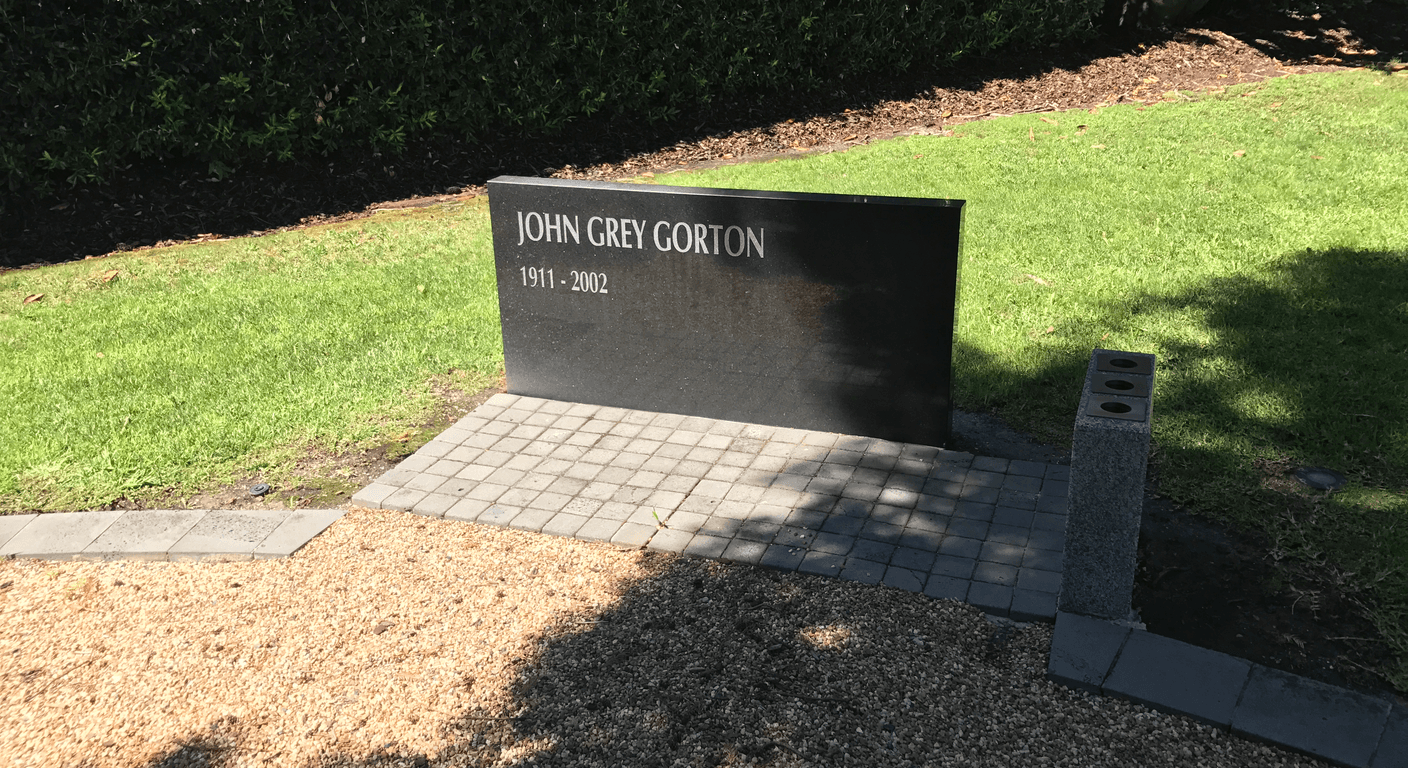
Melbourne General Cemetery in Carlton is one of the city's oldest and most overlooked heritage sites, where elaborate Victorian monuments, gold rush-era headstones and the graves of governors, artists and ordinary migrants tell the story of a young colony finding its feet. Entry is free, tram access is straightforward, and a downloadable heritage trail map turns a gentle walk into something genuinely absorbing. Finish the morning on nearby Lygon Street for a long, unhurried lunch.
Why Melbourne General Cemetery deserves a proper look
Most Melburnians have driven past the bluestone walls of Melbourne General Cemetery on College Crescent dozens of times without ever walking through the gates. That is a genuine oversight. Opened in 1853, the cemetery sits on around 43 hectares in Carlton and holds the remains of more than 300,000 people — among them premiers, artists, gold rush merchants, and waves of migrants from Britain, Ireland, Italy, Greece and China who helped build this city from the ground up.
For anyone with a feel for history, particularly those whose own families arrived in Victoria as newcomers, there is something quietly moving about reading the inscriptions here. Greek surnames on weathered marble, Italian family plots, Chinese memorial gardens — the cemetery is, in its way, a physical record of the communities that shaped Melbourne. It is not a morbid place. On a clear morning, with the old elm trees filtering the light, it is peaceful and genuinely beautiful in an understated way.
The site is managed by the Southern Metropolitan Cemeteries Trust, and entry is free every day of the week. There are no timed sessions, no bookings required, and no charge for the heritage trail maps, which you can download before you leave home. That combination — free, self-paced, historically rich — makes it one of the better half-day options in the inner city for travellers who prefer substance over spectacle.
Getting there: tram access from the CBD
The cemetery is easy to reach by tram from central Melbourne, which matters if you prefer not to deal with CBD parking or a long walk. Tram Route 1 and Route 3/3a run along Royal Parade and connect through the city, with a stop near the cemetery's College Crescent entrance. Check the Public Transport Victoria website at ptv.vic.gov.au for current timetables and the most convenient stop, as route configurations can change. The journey from the CBD takes around 15 to 20 minutes depending on where you board.
If you hold a Victorian Seniors Card, you are eligible for concession myki fares on trams, which brings the cost down considerably — confirm the current concession rate at ptv.vic.gov.au before you travel, as fares are subject to review. The Free Tram Zone in the CBD means that if you are starting from Swanston Street or Bourke Street, the first leg of your journey may cost nothing at all.
Driving is also an option, with some street parking available along College Crescent and the surrounding streets, though it can be limited during university term time given the proximity to the University of Melbourne. Arriving by tram and leaving via Lygon Street on foot is, frankly, the more relaxed way to do it.
What to expect on the ground: terrain and pacing
It is worth being straightforward about the walking conditions here, because the older sections of the cemetery are not smooth underfoot. The paths through the Victorian-era areas are uneven — a mix of compacted gravel, old bluestone edging and grass that can be soft after rain. If you use a walking stick or have any concerns about uneven ground, bring that stick and take your time. The main roadways through the cemetery are sealed and accessible, so you can cover a good deal of ground on those without tackling the rougher paths.
The heritage trail itself is not strenuous — it is a gentle loop that most reasonably mobile walkers will find manageable at a comfortable pace. Allow around 90 minutes to two hours if you want to stop and read inscriptions, take photographs and find the notable graves on the trail map. There are some bench seats within the grounds, which are useful for a rest and a moment to take in the surroundings.
The cemetery is open every day, generally from early morning until dusk, though you should confirm current opening hours on the official site at mgc.smct.org.au before visiting. Early to mid-morning on a weekday is the quietest time. Summer afternoons can be warm and exposed in parts, so a hat, sunscreen and water are sensible — the kind of preparation any experienced traveller already knows to make.
The heritage trail: what you will find
The cemetery's self-guided heritage trail map is the key to getting real value from the visit. Download it from the Melbourne General Cemetery website before you leave home, or pick up a copy at the office near the main entrance. The trail is organised around significant monuments and graves, and the accompanying notes give enough historical context to make each stop genuinely interesting rather than a simple name-and-date exercise.
Among the graves on the trail are those of Sir Redmond Barry — the judge who sentenced Ned Kelly — and several colonial governors and politicians. There are also sections dedicated to the Chinese community, including elaborate ceremonial structures that reflect the burial traditions brought to Victoria during the gold rush era. The Jewish section, the Catholic section, and the various denominational areas each have their own character and architectural detail worth noticing.
The monuments themselves are worth slowing down for. There is a range of Victorian-era funerary architecture here — obelisks, draped urns, carved angels, family vaults — that reflects the wealth and social ambitions of gold rush Melbourne. Some are in excellent condition; others are weathered and tilting, which gives the older sections a particular atmosphere. The National Trust of Australia (Victoria) has documented a number of the heritage-listed elements, and their website at nationaltrust.org.au/vic carries background on the cemetery's significance if you want to read more before or after your visit.
The Greek and migrant heritage sections: a personal resonance
For travellers with Greek Australian family histories — and there are many in Victoria — the Greek section of Melbourne General Cemetery carries a particular weight. Headstones bearing surnames that echo those of families in Oakleigh, Coburg, Richmond and Doncaster are a reminder that the migration story is not recent history but something that stretches back generations. The inscriptions switch between Greek and English, and the photographs embedded in the marble are a common feature of Greek memorial tradition that distinguishes this section visually from its neighbours.
The broader migrant sections of the cemetery tell a similar story across different communities. Italian family plots with elaborate ironwork, headstones in languages that reflect the full sweep of Victoria's post-war migration program — it is a reminder that Melbourne's diversity did not arrive all at once but was built incrementally by people who came here, worked hard, and put down roots in unfamiliar soil. Reading those names and dates, you get a sense of how much courage that took.
If you have a family connection to any of these communities, it is worth spending time in these sections beyond the formal heritage trail. The cemetery's records are held by the Southern Metropolitan Cemeteries Trust, and the website at mgc.smct.org.au has a grave search function that can help you locate specific burial sites if you are looking for someone in particular.
Finishing on Lygon Street: lunch without the rush
Lygon Street in Carlton is a ten-to-fifteen minute walk from the cemetery's main entrance, heading south through the Carlton streetscape. For anyone who has been coming to this part of Melbourne for decades, Lygon Street needs no introduction — it was the heart of Melbourne's Italian community long before it became a tourist precinct, and while it has changed considerably over the years, there are still good, honest places to eat along its length.
A long lunch here — a bowl of pasta, a glass of something, no particular hurry — is a fitting way to close the morning. The street has cafes and restaurants at a range of price points; a two-course lunch with a drink at a mid-range trattoria will run to roughly $45 to $65 per person as an indicative figure, though you should check current menus and prices directly with venues. Several places open for lunch from midday, and the quieter weekday service means you can usually be seated without a booking, though calling ahead is always sensible.
The walk from the cemetery to Lygon Street is flat and straightforward, passing through the residential streets of Carlton. If the walk feels like too much after the heritage trail, a short tram or rideshare back to the city is equally easy to arrange. Either way, the combination of a free heritage walk followed by an unhurried Italian lunch is one of those Melbourne half-days that does not cost much but leaves you with something to think about.
Planning your visit: practical notes
Entry to Melbourne General Cemetery is free and no booking is required. Download the heritage trail map from mgc.smct.org.au before you go — it is a PDF that prints clearly on a single A4 sheet and is much easier to follow in the grounds than trying to navigate from a phone screen. The cemetery office near the main entrance can also provide printed copies and answer questions about specific graves or sections.
Wear comfortable, flat-soled shoes with good grip, particularly if you intend to walk the older sections. A light jacket is useful in the morning even in warmer months, as the tree canopy and the early hour can make it cooler than expected. There are no cafes or kiosks inside the cemetery, so bring water and any snacks you might need for the duration of the trail.
Photography is generally welcomed in the public areas, and many visitors find the monumental architecture worth documenting. Be respectful of any private ceremonies or services that may be taking place — the cemetery is still an active burial site. For up-to-date information on opening hours, events, and any temporary closures, check mgc.smct.org.au directly before your visit.
Key takeaways
- Melbourne General Cemetery in Carlton is free to enter every day and requires no booking.
- A downloadable heritage trail map from mgc.smct.org.au turns the visit into a structured, historically rich walk of around 90 minutes to two hours.
- The older sections of the cemetery have uneven ground — flat-soled shoes with good grip and a walking stick if needed are sensible precautions.
- Tram Route 1 and Route 3/3a on Royal Parade provide straightforward CBD access, with seniors concession myki fares applying — confirm current rates at ptv.vic.gov.au.
- The Greek, Italian and Chinese sections of the cemetery reflect Victoria's migration history in a way that is quietly affecting rather than merely historical.
- A short walk south from the cemetery brings you to Lygon Street in Carlton, where an unhurried Italian lunch makes a natural and satisfying end to the morning.
Recommended partners and links
Indicative prices only — always confirm with the operator before booking.
Frequently asked questions
Is Melbourne General Cemetery free to visit?
Yes, entry to Melbourne General Cemetery is free every day of the week. There are no ticketing systems, timed entry slots or booking requirements. The heritage trail map is also available as a free download from mgc.smct.org.au.
How do you get to Melbourne General Cemetery by tram?
Tram Route 1 and Route 3/3a run along Royal Parade, which borders the cemetery, with stops near the College Crescent entrance. The journey from the CBD takes around 15 to 20 minutes. Check ptv.vic.gov.au for current timetables and stop locations, and confirm your concession myki entitlements if you hold a Victorian Seniors Card.
Is Melbourne General Cemetery accessible for older walkers or those with mobility concerns?
The main sealed roadways through the cemetery are accessible and suitable for most walkers. The older heritage sections have uneven gravel and grass paths that can be challenging if you have balance concerns or use a mobility aid. A walking stick is useful in those areas. The heritage trail can be adapted to stay on sealed paths if needed.
What is the Melbourne General Cemetery heritage trail?
The heritage trail is a self-guided walk through the cemetery's most historically significant graves and monuments, including the graves of colonial figures such as Sir Redmond Barry, gold rush-era monuments, and sections reflecting Melbourne's Chinese, Greek, Italian and other migrant communities. A free trail map is available to download from mgc.smct.org.au or collect at the cemetery office.
What is the best way to combine a Melbourne General Cemetery visit with lunch nearby?
Lygon Street in Carlton is roughly a ten-to-fifteen minute flat walk south from the cemetery's main entrance. The street has a range of cafes and Italian restaurants suitable for a long, relaxed lunch. A mid-range two-course lunch with a drink runs to roughly $45 to $65 per person as an indicative figure — confirm current prices and hours directly with venues before you go.
Got a tip, a price update or a story from this route? The community would love to hear it.
Share your views on our Facebook page— Seniors and Solo Traveller Stories