Falls are the leading cause of injury-related hospitalisation for older Australians, yet many are preventable with the right mix of exercise, home adjustments and professional support. This guide walks Victorian women and men aged 60-plus through the free and low-cost programs available — from balance classes at community health centres to council-funded home safety assessments and subsidised locksmith visits. Knowing where to start is half the battle.
Why falls prevention matters more than people realise
A fall at home can change everything — a hospital stay, a loss of confidence, months of recovery, and sometimes a permanent shift in independence. For women in their late sixties and seventies, the risk is compounded by bone density changes that make fractures more likely. Yet the research is consistent: regular strength and balance exercise, combined with a few targeted changes around the home, reduces fall risk significantly.
The good news is that Victoria has a reasonably well-funded network of programs specifically designed for this age group. Many run through community health centres, local councils, and the Commonwealth Home Support Programme (CHSP), which means they are either free or cost very little for eligible residents. The challenge is usually knowing they exist and knowing how to access them — which is exactly what this guide addresses.
It is worth saying plainly: this guide provides general information only. It is not medical advice. Before starting any new exercise program or making decisions about home modifications, speak with your GP, a physiotherapist, or an accredited occupational therapist who can assess your individual circumstances.
What kinds of exercise actually help with balance and strength?
Not all exercise is equal when it comes to fall prevention. The programs with the strongest evidence base combine lower-limb strengthening (think chair-based exercises, resistance work, calf raises) with balance training — exercises that challenge your body's ability to stay steady when it is slightly off-centre. The Otago Exercise Programme, developed in New Zealand and widely used in Australia, is one well-researched example that can be done at home with guidance from a physiotherapist.
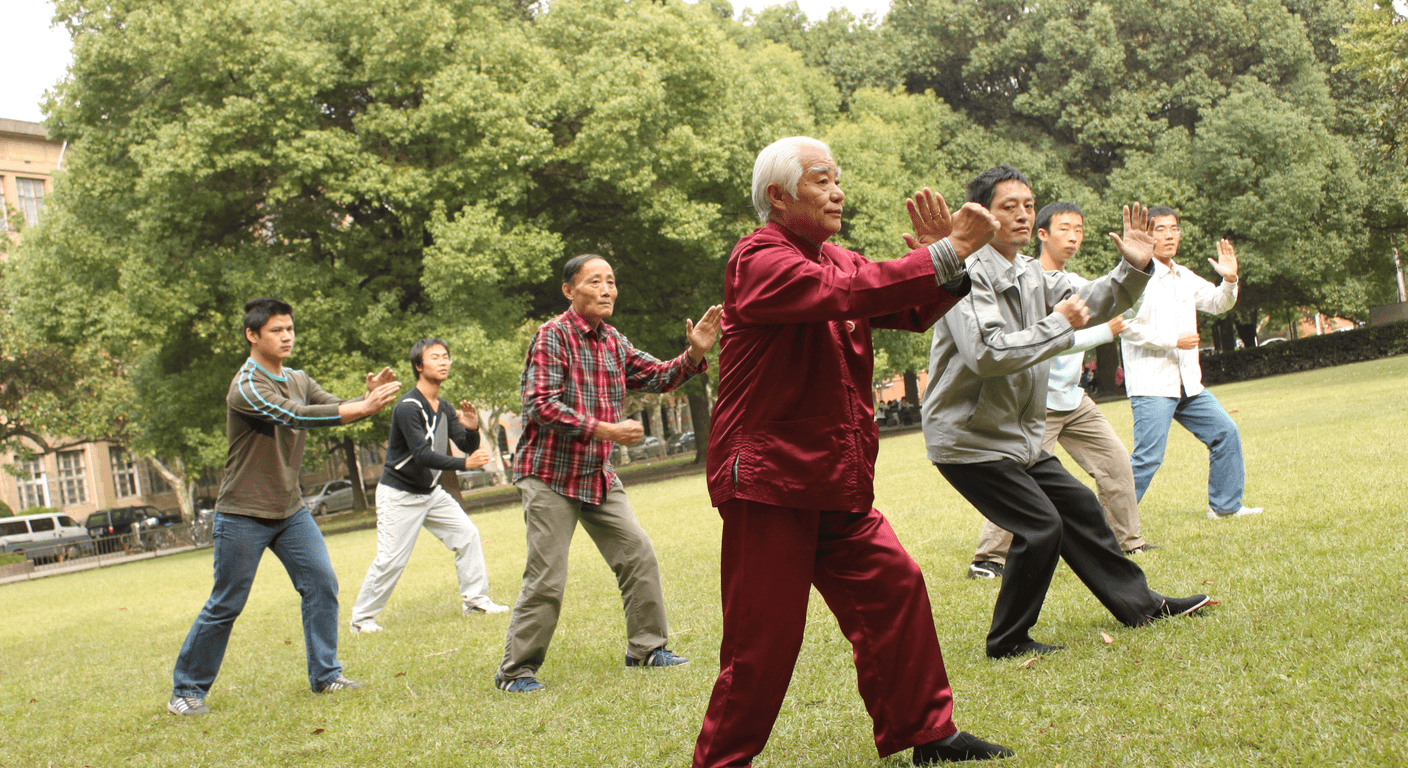
Tai chi deserves particular mention. It is slow, low-impact, and deeply focused on weight shifting and postural control — exactly the skills that reduce fall risk. Many community health centres across Victoria run tai chi specifically for older adults, often at no cost or for a small session fee. Classes tend to be small, unhurried, and welcoming of people who have never tried it before. Your GP or community health centre can point you toward a local group.
Strength and balance group classes run by physiotherapists or exercise physiologists are another option. These are often available through community health centres, some council leisure centres, and via referral through My Aged Care. Some programs are delivered in community halls or even outdoors. Costs vary — some are free for eligible participants, others are around a few dollars per session — so always confirm what applies to your situation before attending.
Physiotherapy, falls prevention, and exercise classes
A physiotherapist is often the most useful starting point for anyone who has had a fall, feels unsteady, or simply wants a professional assessment of their gait, strength, and balance. A physio can identify specific weaknesses, design a personalised exercise plan, and refer you to appropriate group programs. In Victoria, physiotherapy is available through public hospital outpatient departments, community health centres (often subsidised), and private practices where Medicare rebates may apply under a GP Management Plan — confirm eligibility with your GP.
The Victorian Government's Better Health Channel outlines the types of falls-prevention exercise that are evidence-based and explains what to expect from a physiotherapy assessment. It is a reliable, plain-language resource worth bookmarking. Many GPs can also refer patients directly to allied health professionals through the Chronic Disease Management (formerly Enhanced Primary Care) plan, which can provide a set number of subsidised physiotherapy sessions per year — check the current details with your GP or visit the Department of Health website.
For those who prefer a group setting, community health centres often run dedicated falls-prevention exercise classes that are led by health professionals and designed for older adults. These are not aerobics classes — they are structured, paced carefully, and usually include seated options for people with limited mobility. Contact your nearest community health centre directly to ask what is currently running and whether a referral is needed.
How to reduce falls and improve home safety?
The home environment contributes to a significant proportion of falls among older adults. Loose rugs, poor lighting, cluttered hallways, slippery bathroom floors, and the absence of grab rails are among the most common hazards — and most are fixable. The key is getting a proper assessment rather than trying to identify risks on your own, because trained eyes notice things that have become invisible through familiarity.
An occupational therapist (OT) is the professional best placed to assess your home for fall hazards and recommend modifications. OT home visits are available through My Aged Care for eligible older Australians — the assessment itself is often free, and some modifications may be subsidised depending on your care package. Private OTs are also available if you want a faster appointment. The Australian Health Practitioner Regulation Agency (AHPRA) register at ahpra.gov.au can help you verify that a practitioner is registered.
Many Victorian councils also run their own home modification programs, particularly for low-income residents or those who are not yet eligible for aged care packages. These can cover the cost of installing grab rails in bathrooms and near steps, adding non-slip strips to tiles, improving outdoor lighting, and making other targeted changes. Contact your local council's aged services team directly to ask what is currently available in your area — programs and eligibility criteria change, so it is always worth a phone call.
The small home fixes with the biggest returns
Not every home modification requires a builder or a large budget. Some of the most effective changes are inexpensive and straightforward. Removing or securing loose rugs is one of the simplest steps — a mat that slides underfoot is a genuine hazard. Adding a rubber-backed bath mat and a grab rail beside the shower or toilet can substantially reduce bathroom fall risk, and the bathroom is statistically where many falls happen.
Lighting is consistently underestimated. The eyes of a 68-year-old need roughly three times more light than those of a 20-year-old to see clearly in low light. Replacing dim bulbs with brighter LEDs, adding a nightlight for the path to the bathroom, and ensuring stair treads are clearly visible are low-cost changes with meaningful impact. Motion-activated nightlights are inexpensive and widely available at hardware stores.
Footwear inside the home matters, too. Wearing well-fitting, closed-heel slippers or shoes with non-slip soles — rather than going barefoot or wearing loose slippers — is a simple daily habit that reduces slip risk. An OT or physiotherapist can offer personalised advice about footwear if you are unsure what is appropriate for your gait or foot shape.
Personal safety at home, falls prevention checks, and locksmith programs
Feeling safe at home is about more than fall prevention — it also includes being confident that your home is secure, and that if something did go wrong, help could reach you. Several Victorian councils and community organisations run subsidised locksmith programs for older residents, where a licensed locksmith visits to assess door and window locks, identify security vulnerabilities, and install basic security hardware at reduced or no cost. Eligibility criteria vary by council, so contact your local council's aged or community services team to ask whether such a program exists in your area.
Personal emergency response systems — sometimes called medical alert pendants or personal alarms — are worth considering for anyone who lives alone. These devices allow you to call for help at the press of a button if you fall and cannot reach a phone. Some are worn as pendants, others as wristbands. Programs to subsidise or provide these devices exist through My Aged Care and some state government initiatives — check the current options at myagedcare.gov.au or through your GP.
For women living alone, the combination of a home safety assessment, a personal alarm, and a conversation with your GP about fall risk creates a meaningful safety net. It is not about living in fear — it is about making practical choices that preserve independence. Many women find that taking these steps actually increases their confidence at home, rather than making them feel more vulnerable.
How to access free and subsidised programs in Victoria
The main entry point for government-funded aged care services in Australia is My Aged Care, the Commonwealth Government's central access point. You can call them on 1800 200 422 or visit myagedcare.gov.au to find out what services you may be eligible for, including home support, allied health, and community programs. An assessor can conduct an in-home assessment to determine the level of support appropriate for your needs.
For programs that sit outside the aged care system — such as council-run exercise classes, community health centre tai chi, or local home modification programs — your local council is often the best first call. The Victorian Government's 'Find your council' tool at vic.gov.au can direct you to the right place. Community health centres are another valuable contact; the Community Health Australia website at communityhealth.org.au has a centre finder.
It is also worth asking your GP about the Chronic Disease Management plan and whether a referral to a physiotherapist or occupational therapist under Medicare is appropriate for your situation. Your GP is the coordinator for many of these pathways, and a short conversation about fall risk — even if you have not had a fall — is a legitimate and worthwhile use of a consultation.
Key takeaways
- Regular strength and balance exercise — including tai chi — has strong evidence for reducing fall risk in older adults and is available free or low-cost through Victorian community health centres.
- An occupational therapist home visit, often accessible through My Aged Care, is the most effective way to identify and address fall hazards in your home.
- Bathroom grab rails, secured rugs, improved lighting, and non-slip footwear are among the simplest home changes with the most meaningful impact on fall prevention.
- Some Victorian councils run subsidised locksmith programs for older residents — contact your local council's aged services team to ask whether one operates in your area.
- Personal emergency alarms are available through My Aged Care and some state programs for eligible older Australians who live alone.
- Your GP is the starting point for Medicare-subsidised physiotherapy and occupational therapy referrals — a conversation about fall risk does not require a previous fall to justify it.
Recommended partners and links
Indicative prices only — always confirm with the operator before booking.
Frequently asked questions
Physiotherapy, falls prevention, and exercise classes.
Physiotherapists can assess your balance, gait, and strength, then design a personalised falls-prevention exercise plan or refer you to a suitable group class. In Victoria, physiotherapy is available through public hospital outpatient departments, community health centres (often subsidised), and private practices where Medicare rebates may apply under a GP Management Plan. Community health centres also run dedicated falls-prevention and balance exercise classes for older adults, often at no cost or a small fee for eligible participants. Contact your nearest community health centre or ask your GP for a referral to confirm what is currently available and what costs apply to your situation.
How to reduce falls and improve home safety?
The most effective approach combines two things: regular balance and strength exercise, and a professional home safety assessment. An occupational therapist (OT) can visit your home to identify hazards — loose rugs, poor lighting, slippery bathroom surfaces, absent grab rails — and recommend targeted modifications. OT home visits are available through My Aged Care for eligible older Australians, and many Victorian councils also run their own home modification programs for low-income or high-need residents. Practical low-cost steps you can take immediately include securing or removing loose rugs, improving lighting (especially for night-time bathroom trips), installing a non-slip bath mat, and wearing supportive, non-slip footwear inside the home.
Personal safety at home, falls prevention checks, and locksmith programs.
Personal safety at home covers both fall prevention and home security. For falls, a home safety check by an occupational therapist — accessible through My Aged Care or a council program — identifies and addresses the specific hazards in your home. For home security, some Victorian councils run subsidised locksmith programs where a licensed locksmith assesses and improves door and window locks for older residents at reduced or no cost; contact your local council's aged or community services team to ask whether such a program exists in your area. Personal emergency alarm devices, which allow you to call for help if you fall, are also available through My Aged Care and some state-funded initiatives — visit myagedcare.gov.au or speak with your GP to check current options and eligibility.
What is the My Aged Care assessment process and how do I start?
My Aged Care is the Australian Government's central access point for aged care services. You can call 1800 200 422 or visit myagedcare.gov.au to begin. An assessor will conduct a needs assessment — either by phone or in your home — to determine what services you may be eligible for, which can include home support, allied health referrals, and community programs such as falls-prevention exercise. There is no cost for the assessment itself. Eligibility for subsidised services depends on your individual circumstances, so it is worth calling to find out where you stand even if you feel you are managing well.
Are falls-prevention programs available if I am not yet in the aged care system?
Yes. Many falls-prevention programs in Victoria operate outside the formal aged care system and are open to adults aged 60-plus regardless of whether they have an aged care package. Community health centres run tai chi, strength and balance classes, and other exercise programs that are free or low-cost for eligible participants. Local councils also run community exercise programs and some home modification schemes. Your GP can refer you to a physiotherapist under a Medicare Chronic Disease Management plan, which provides a set number of subsidised sessions per year. Check with your GP, local council, and nearest community health centre for what is currently available in your area.
Got a tip, a price update or a story from this route? The community would love to hear it.
Share your views on our Facebook page— Seniors and Solo Traveller Stories