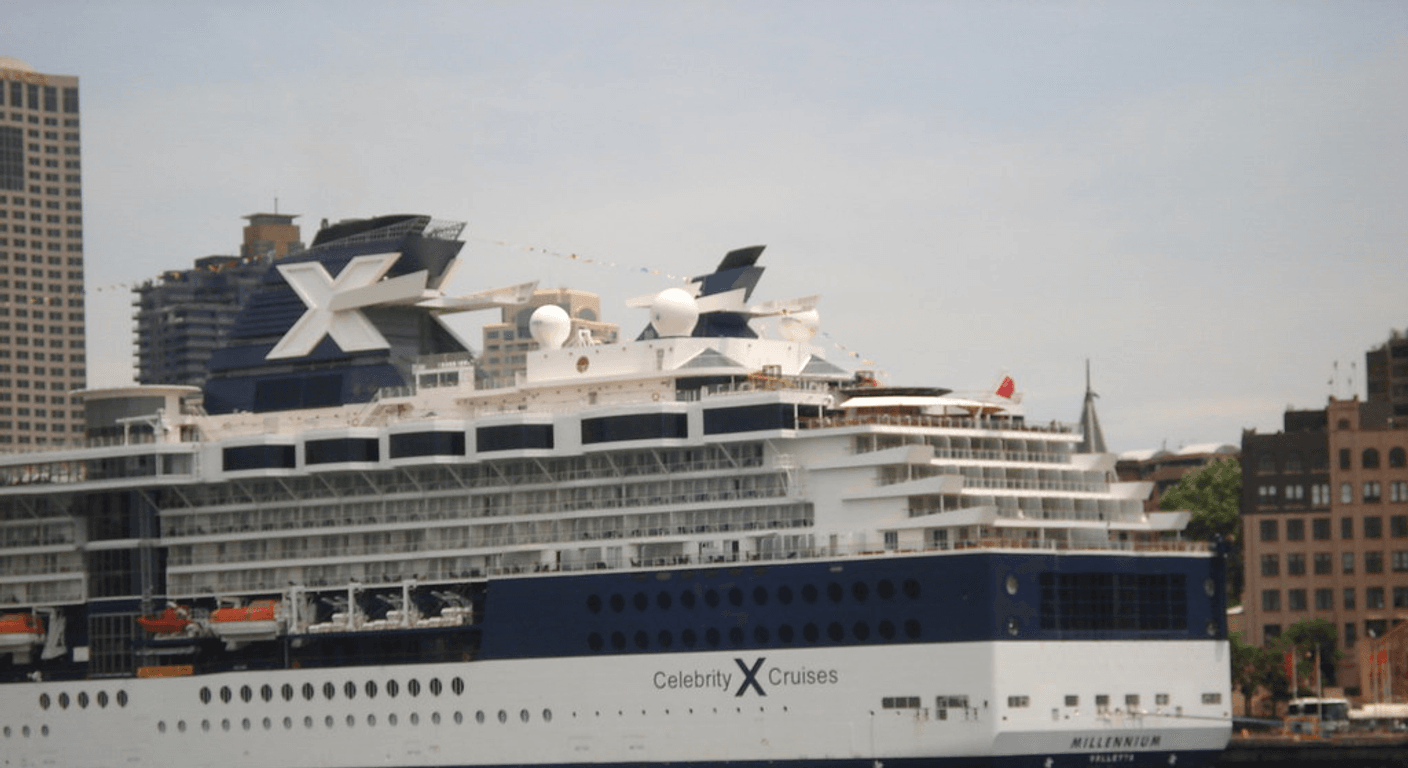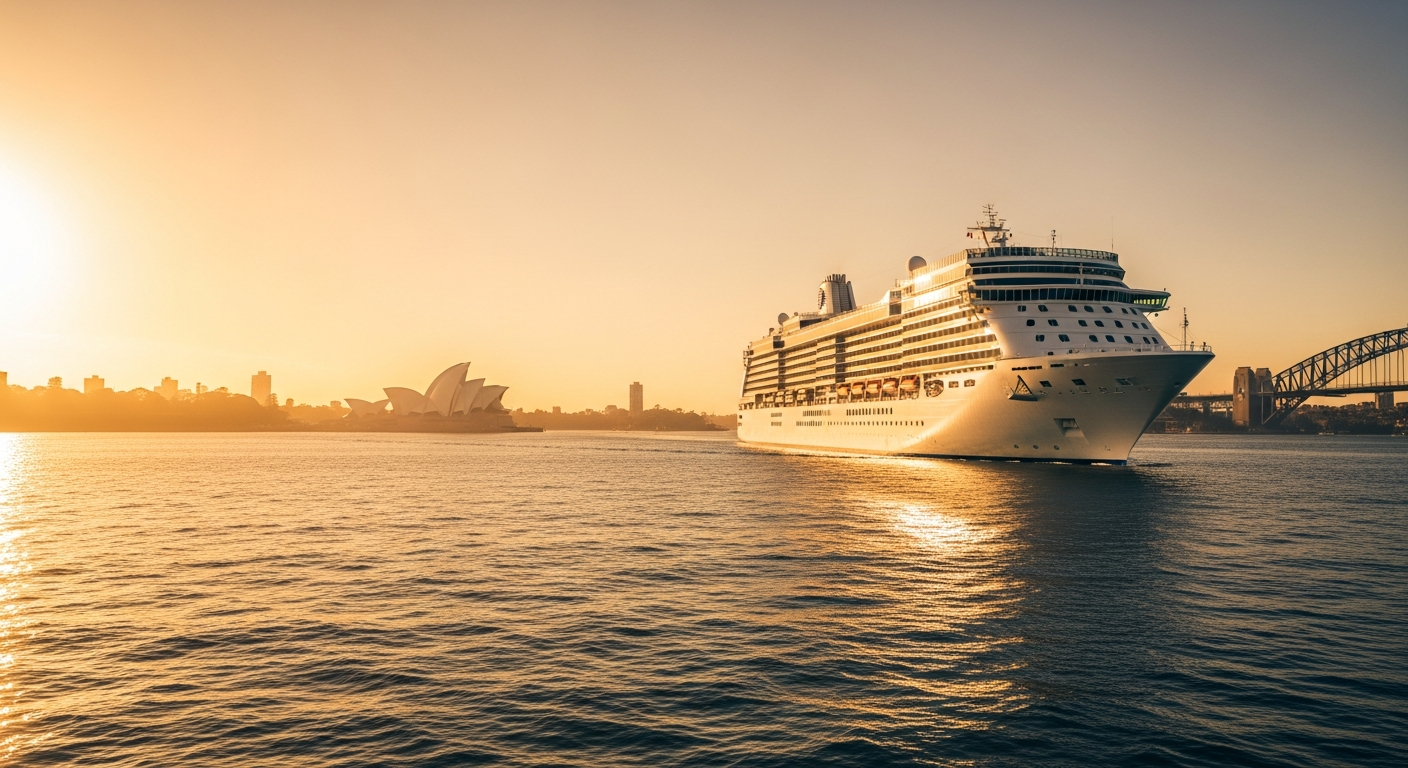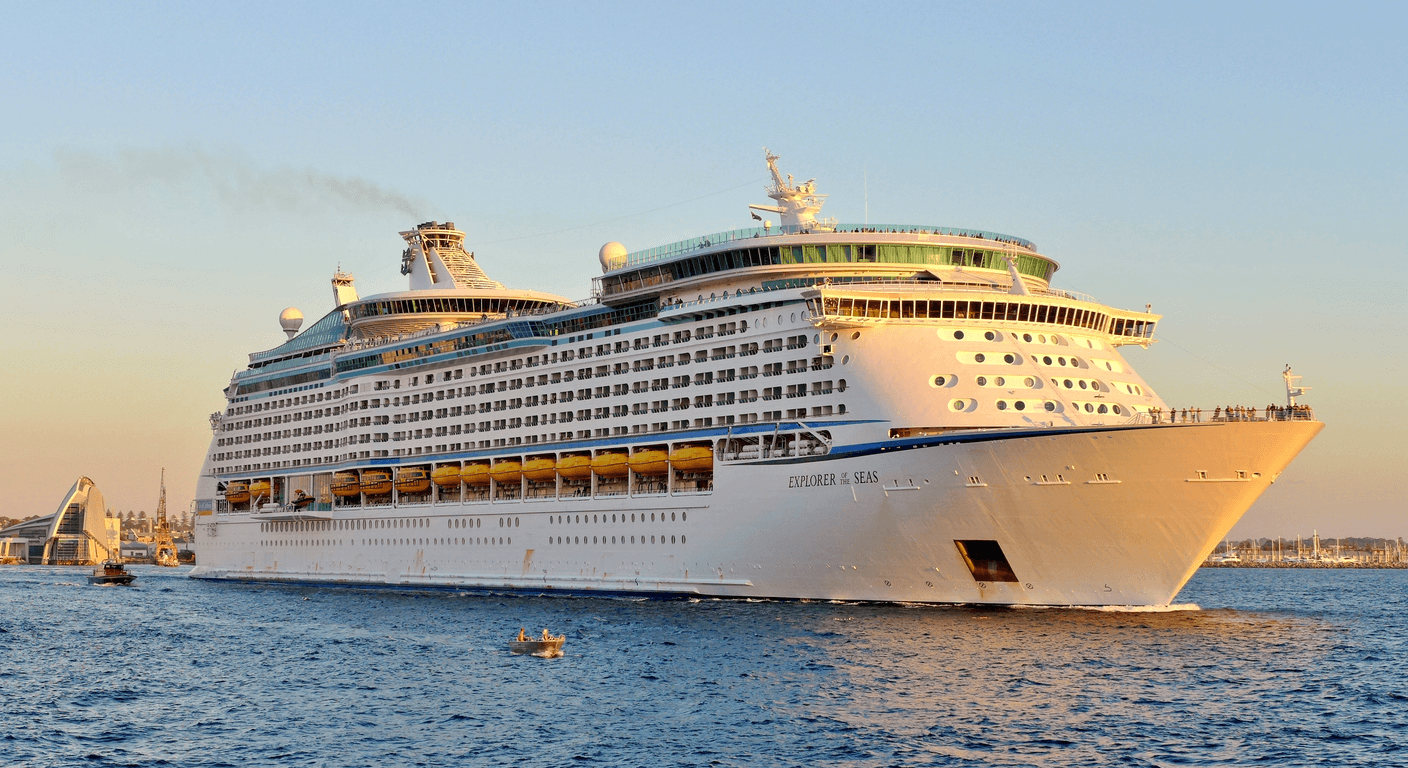
When Melbourne's winter bites and the grey drags on, a short Pacific cruise out of Sydney or Brisbane in July or August offers genuine warmth without the complexity of a long-haul trip. For travellers over 50 — whether you're sailing as a couple or keeping an eye on solo supplement costs — a 7 to 10 night cruise to Vanuatu, New Caledonia or Fiji is a manageable, sociable way to trade the cold for something better. This guide covers the practical detail: costs, accessibility, pacing, insurance, and which cruise lines are worth a closer look.
Why July and August Make Sense for a Pacific Cruise
Melbourne in July is cold, often wet, and not particularly inspiring if you've seen sixty-plus winters come and go. A 7 to 10 night cruise departing Sydney or Brisbane puts you into tropical Pacific waters within a day or two of sailing, and the timing works well. Vanuatu, New Caledonia and Fiji sit north of the main cyclone belt and experience their own dry season around this time — warm, relatively calm, and far more agreeable than anything the southern states are offering.
The other practical advantage is that July and August are school term time in most of Australia, which means school holiday crowds are not a factor. Ships are still well-occupied — these sailings are popular with retirees for exactly the reasons you'd expect — but the demographic on board tends to skew older and the pace is more relaxed than summer school-holiday departures.
Departing from Sydney or Brisbane also removes the need for a connecting international flight, which matters when you're managing health considerations or simply want to keep the journey straightforward. You board in your own country, with familiar port infrastructure, Medicare cards still in your wallet, and no customs queues before you've even reached the ship.
What Does a 7 to 10 Night Pacific Cruise Actually Cost?
As an indicative starting point, twin share interior cabins on a 7-night Pacific sailing from Sydney or Brisbane can begin from around $1,200 per person with lines like P&O Cruises Australia, rising to roughly $1,800 to $2,500 per person for a balcony cabin on a 9 or 10-night itinerary with Princess Cruises or Royal Caribbean. These figures are indicative only and shift with cabin category, departure date, and how far in advance you book — always confirm current pricing directly with the cruise line or a licensed travel agent.
What the headline fare typically includes is your cabin, main dining room meals, most onboard entertainment, and port charges. What it usually does not include is specialty dining, drinks packages, shore excursions, gratuities (sometimes called a 'service charge', which can add roughly $15 to $20 USD per person per day), and travel insurance. Factor those in when you're comparing the real cost of different itineraries — the gap between a cheaper cabin and a pricier one can look smaller once you account for the extras.
For a couple travelling together, the numbers are manageable. A 7-night twin share balcony cabin at around $1,600 per person, plus a modest drinks package, a couple of shore excursions, and gratuities, might land in the range of $4,500 to $5,500 for two people all up — rough and indicative, but it gives you a working budget to test against the cruise line's current fares. Always confirm directly before committing.
The Solo Supplement Problem — and Which Lines Ease It
Travelling solo on a cruise has one persistent frustration: the solo supplement. Because cruise pricing is built around two people sharing a cabin, a solo traveller is typically charged anywhere from 150 to 200 percent of the twin share per-person fare to occupy the same cabin alone. On a $1,500pp twin share sailing, that can mean paying $2,250 to $3,000 for the same cabin as a solo traveller — a meaningful extra cost.
Some cruise lines have responded to this, particularly as the solo travel market among older Australians has grown. P&O Cruises Australia has periodically offered solo cabins at reduced supplement rates, and Royal Caribbean has a 'solo stateroom' category on some ships — smaller cabins designed and priced for single occupancy without the full supplement penalty. Princess Cruises and Carnival have also run promotional fares with reduced solo supplements at various points. None of these offers are permanent, and availability is limited, so it's worth checking each line's current solo fares directly and asking a cruise specialist what's available at the time of enquiry.
The community at Cruise Passengers (cruisepassengers.com.au) is a useful independent Australian resource where solo travellers share current intelligence on which lines are offering better solo deals at any given time. It's worth browsing before you commit to a particular line.
Accessibility on Pacific Cruises: What to Check Before You Book
Modern large cruise ships are generally well set up for travellers with mobility considerations. Lifts connect all passenger decks, cabin doorways in accessible staterooms are wider, and grab rails in bathrooms are standard in those categories. If you use a walking frame, a cane, or a wheelchair — or if your balance or stamina has changed in recent years — it's worth requesting an accessible stateroom specifically and confirming the ship's layout with the cruise line before booking. Not all cabins described as 'accessible' are equal, and the configuration matters.
The more variable factor is the ports themselves. Some Pacific ports — Port Vila in Vanuatu and Noumea in New Caledonia, for example — have dedicated cruise wharves where the ship docks directly and passengers walk or are assisted ashore without difficulty. Other ports, including some smaller island stops, require a tender: a small boat that ferries passengers from the anchored ship to shore. Tendering involves stepping between the ship and a small vessel, which can be challenging if you have knee problems, poor balance, or significant mobility limitations. On rough days, tenders may be suspended entirely.
Before booking, check the specific ports on your itinerary and ask the cruise line directly which are tender ports and which are wharf ports. If tendering is a concern, choose an itinerary weighted toward wharf ports. On sea days — which Pacific itineraries typically include at least two or three of — the ship itself is the destination, and the pace is entirely yours to set. Many travellers over 60 find they genuinely enjoy sea days: a quiet breakfast, a walk on the promenade deck, an afternoon reading on a balcony.
Sea Days Versus Port Days: Getting the Pacing Right
One of the genuine advantages of a short Pacific cruise over a land-based trip is that pacing is built into the structure. A sea day is, by design, a rest day — no alarm, no transfers, no itinerary to follow unless you want one. For travellers managing fatigue, joint pain, or simply the reality of being 70-plus and knowing your limits, the rhythm of alternating port days and sea days is genuinely restorative rather than just a sales pitch.
On port days in the Pacific, the honest advice is to pick one or two things and do them well rather than trying to fill the day. A morning market visit in Port Vila, a quiet lunch at a waterfront restaurant in Noumea, or a gentle snorkel at a calm beach in Fiji is enough. The ship's organised shore excursions offer a structured option with transport included, which removes logistical stress — though they cost extra and tend to move at a group pace. Independent exploration is also possible in most Pacific ports, but confirm in advance whether the port area is walkable and what the conditions are like.
For a couple where one partner has more energy than the other — a common reality that no travel guide usually acknowledges honestly — cruising handles this well. One of you can take the shore excursion while the other stays aboard. The ship is not going anywhere, the staff are attentive, and the onboard facilities are fully available to whoever remains. It's a flexibility that a land-based itinerary rarely offers.
Travel Insurance for Over-50s: The Non-Negotiable
Travel insurance is not optional on a cruise, and for travellers over 60 with any pre-existing medical conditions, the policy details matter enormously. A standard travel insurance policy may exclude pre-existing conditions entirely, or it may cover them subject to a medical assessment and an additional premium. The difference between a policy that covers your pre-existing heart condition and one that doesn't is the difference between a manageable medical situation at sea and a financially catastrophic one.
Before you book any cruise, get travel insurance sorted — not after you've paid the deposit, but as part of the booking decision. Declare every pre-existing condition honestly and completely. Insurers can void a claim if they determine you failed to disclose a relevant condition, and the burden of proof sits with the traveller. The Insurance Council of Australia and the Australian Securities and Investments Commission both provide guidance on what to look for in a travel insurance policy; visitvictoria.com is not the right resource for this, but the Moneysmart website (moneysmart.gov.au) maintained by ASIC offers clear, independent guidance.
Medical evacuation from a Pacific island or from a ship at sea is extremely expensive — figures in the tens of thousands of dollars are not unusual. A policy with adequate medical evacuation cover is essential. Some cruise lines offer their own insurance products; compare these carefully against standalone policies from established Australian travel insurers rather than accepting the first option presented. A licensed travel agent who specialises in cruises can help you navigate this, and it's a conversation worth having before any money changes hands.
Practical Tips for Getting to the Port: Sydney and Brisbane Departures
If you're based in Melbourne, getting to Sydney or Brisbane for a cruise departure is part of the trip. The most comfortable option for many travellers over 60 is to fly up a day early, stay overnight near the port, and board the following morning without the stress of a same-day connection. Sydney's cruise terminals — the Overseas Passenger Terminal at Circular Quay and the White Bay Cruise Terminal in Rozelle — are both accessible, though White Bay requires a taxi or rideshare as it's not directly served by public transport. Budget for a hotel night in Sydney or Brisbane as part of the overall trip cost.
From Melbourne, flights to Sydney typically take around an hour and fifteen minutes; to Brisbane, around two hours. Qantas, Virgin Australia, and Jetstar all service both routes regularly. Book seats with a little extra legroom if you're managing knee or hip discomfort on flights, and check baggage allowances — cruise luggage can be generous, and budget carriers have stricter limits.
Once on board, the ship handles the rest. Luggage is collected dockside and delivered to your cabin, embarkation for most major lines is staggered to avoid queues, and the first evening at sea — with the Sydney Heads or Moreton Bay slipping behind you and the Pacific ahead — has a particular satisfaction to it that's hard to replicate any other way.
Key takeaways
- A 7 to 10 night Pacific cruise from Sydney or Brisbane in July or August is one of the most straightforward ways for Victorians over 60 to escape winter without a long-haul flight.
- Indicative twin share fares start from around $1,200 per person for 7 nights, but always confirm current pricing directly with the cruise line — the real cost includes gratuities, excursions, and drinks.
- Solo travellers face a supplement of 150 to 200 percent of the twin share fare on most ships, but P&O Cruises Australia and Royal Caribbean periodically offer reduced solo supplement options worth checking.
- Tender ports require stepping between a ship and a small vessel, which can be difficult for travellers with limited mobility — check which ports on your itinerary are wharf berths before booking.
- Travel insurance covering pre-existing conditions is essential before booking any cruise; declare every condition honestly and confirm medical evacuation cover is included.
- Sea days on a Pacific cruise are built-in rest days, making this style of travel well suited to travellers who need to pace themselves without the pressure of a daily land itinerary.
Recommended partners and links
Indicative prices only — always confirm with the operator before booking.
Frequently asked questions
What is the cheapest time to take a winter Pacific cruise from Australia?
July and August are popular with retirees but are not peak summer school-holiday periods, which helps keep prices more moderate. Indicative twin share fares from Sydney or Brisbane to the Pacific start from around $1,200 per person for 7 nights, though prices vary by cabin type, departure date, and cruise line. Always check current fares directly with the cruise line or a licensed travel agent, as pricing changes frequently.
Which cruise lines offer reduced solo supplements for older Australian travellers?
P&O Cruises Australia and Royal Caribbean have both offered reduced or waived solo supplements on selected sailings, and Royal Caribbean has purpose-built solo staterooms on some ships. These offers are not permanent — availability depends on the specific sailing and the time of year. Check each line's website directly and ask a cruise specialist what's currently available, as the best deals are not always prominently advertised.
Are Pacific cruise ships accessible for travellers with mobility issues?
Most large modern cruise ships have lift access to all passenger decks, wider doorways in accessible cabins, and grab rails in accessible bathrooms. The variable factor is the ports: some Pacific ports have dedicated cruise wharves for easy shore access, while others require a tender boat, which involves stepping between the ship and a small vessel and can be difficult for travellers with limited mobility. Always ask the cruise line which ports on your itinerary are tender ports before booking.
Do I need travel insurance for a Pacific cruise if I have pre-existing conditions?
Yes. Travel insurance is essential for any cruise, and for travellers with pre-existing medical conditions it is particularly important to declare every condition fully and confirm the policy covers them. A policy that excludes pre-existing conditions may leave you with no cover for the most likely medical events. Medical evacuation from a Pacific island or a ship at sea can cost tens of thousands of dollars without adequate cover. The ASIC Moneysmart website (moneysmart.gov.au) provides independent guidance on what to look for in travel insurance.
How do I get from Melbourne to the Sydney or Brisbane cruise terminal?
Fly from Melbourne to Sydney (around 1 hour 15 minutes) or Brisbane (around 2 hours) with Qantas, Virgin Australia, or Jetstar. It is advisable to fly up the day before departure and stay overnight near the port to avoid the stress of a same-day connection. Sydney's White Bay Cruise Terminal is not directly served by public transport and requires a taxi or rideshare; the Overseas Passenger Terminal at Circular Quay is more centrally located. Factor in the cost of a hotel night and transfers as part of your overall budget.
Got a tip, a price update or a story from this route? The community would love to hear it.
Share your views on our Facebook page— Seniors and Solo Traveller Stories