Regional Victoria offers three genuinely restorative weekend options for travellers over 50 who want more than a hotel pool and a buffet breakfast. This guide covers Daylesford-Hepburn, the Mornington Peninsula, and the Grampians with honest effort ratings, indicative two-night costs per couple, and the real story on getting there without a car.
How these itineraries were put together
Each of the three weekends described here was chosen because it offers genuine restoration — mineral water, gentle movement, good food, quiet evenings — without requiring either a luxury budget or a 30-year-old's knees. The itineraries are built for couples, but work equally well for two friends travelling together.
Effort levels are described honestly as gentle (suitable for most mobilities, mostly flat, short distances) or moderate (some elevation, longer distances, good footwear essential). Where a walk or activity is genuinely difficult for anyone with joint issues, that is noted plainly. Costs are indicative figures in Australian dollars based on publicly available pricing in 2025; always confirm current rates directly with operators before you travel.
The best-season advice is practical rather than promotional. Each destination has a sweet spot, and knowing it can mean the difference between a restorative weekend and a crowded, hot, or muddy one.
Itinerary One: Daylesford and Hepburn Springs
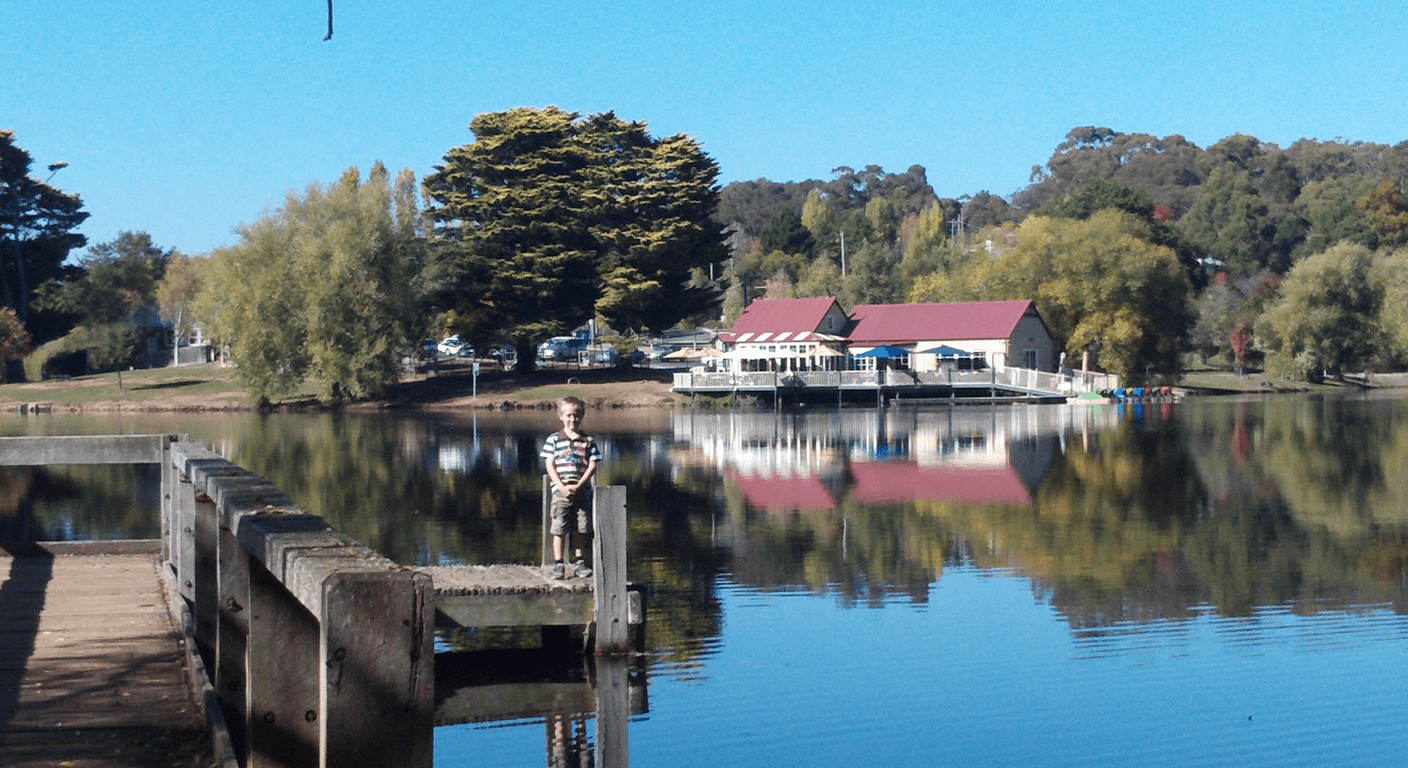
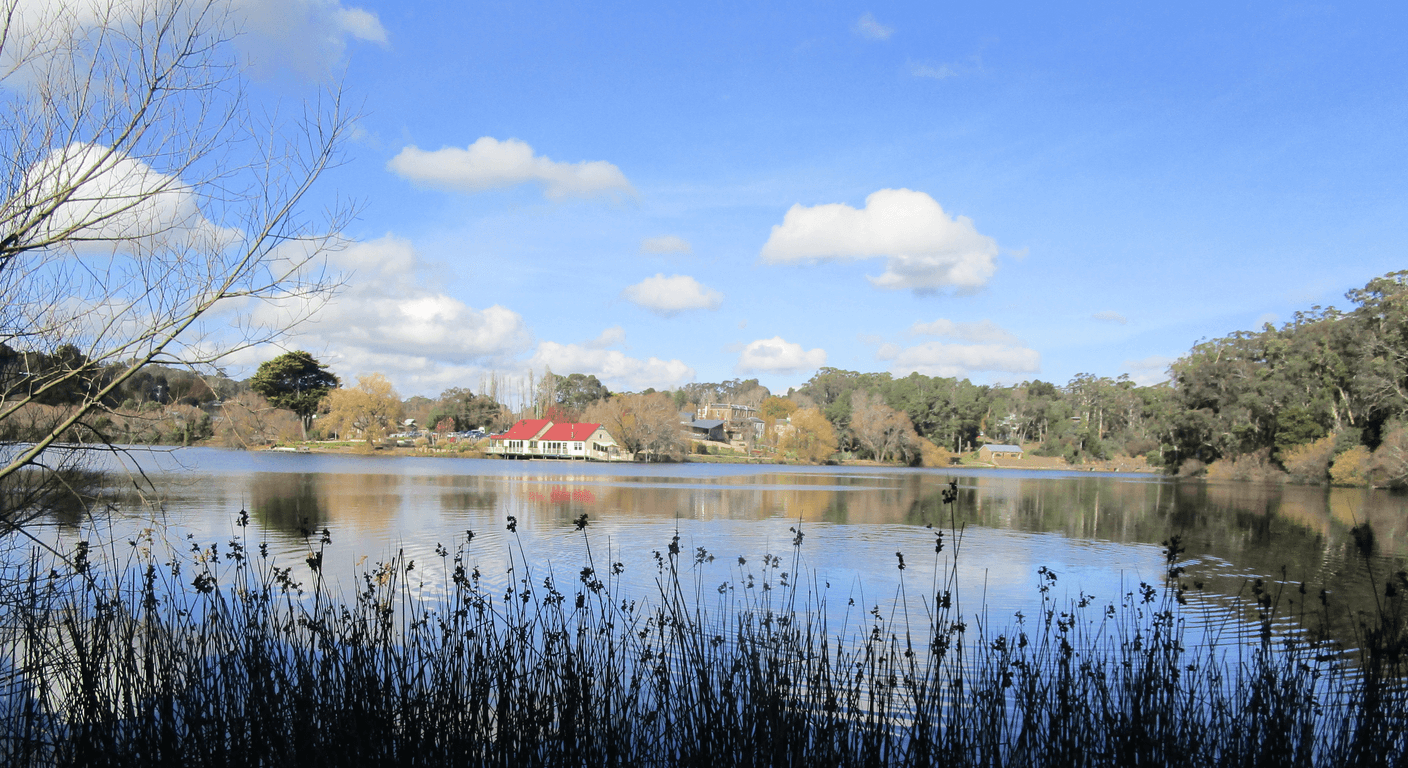
Daylesford sits about 115 kilometres north-west of Melbourne in the Central Highlands, and for good reason it has been the go-to wellness destination for Victorians for well over a century. The town itself is walkable and pleasantly low-key out of peak summer weekends. Hepburn Springs, a five-minute drive or a 35-minute flat walk along the shared path, is where the bathhouse and the famous mineral water pump houses sit beside Hepburn Regional Park.
Day one is well spent arriving by mid-morning, checking in, then heading to the Hepburn Bathhouse for the communal mineral pools. The bathhouse experience is genuinely relaxing rather than spa-glamorous — the pools are warm, the mineral content is real, and the setting beside the park is peaceful. Book a session in advance, particularly for weekends. In the afternoon, the Mineral Springs Reserve walk from the pump houses through the bush to the lake takes around 45 minutes at a relaxed pace on a well-formed path — this is a gentle effort level and suitable for most travellers. Lake Daylesford itself has a flat foreshore path that adds another 20 minutes if you want it.
Day two suits a slow morning, perhaps a long breakfast in town (Daylesford has a reliable range of cafes with vegetarian and dietary-aware options), then a visit to the Convent Gallery on the hill above town. Note that the Convent grounds involve some uneven paths and a moderate incline from the street; the gallery interior is accessible. For those who prefer to stay flat, the Sunday market near the lake is a gentle alternative. Indicative two-night cost per couple: accommodation in a self-contained cottage or mid-range B&B runs roughly $300–$550 for two nights depending on season and property; add around $80–$110 for two bathhouse sessions, and $120–$180 for meals over the weekend. Total indicative range: $500–$840 per couple, excluding travel. Best season: autumn (March to May) for cool air and coloured foliage, or mid-week in winter when the town is quieter and accommodation is often cheaper.
Getting to Daylesford: car versus public transport
By car, Daylesford is a straightforward 90-minute drive from Melbourne via the Western Ring Road and the Midland Highway through Ballan. Parking in town is generally easy except on busy summer weekends. For those who prefer not to drive, the most practical public transport option is a V/Line train from Southern Cross Station to Woodend or Ballarat, then a regional coach or taxi connection to Daylesford. The V/Line Ballarat line runs regularly and the journey to Ballarat takes around 75 minutes. Check current timetables and connections at vline.com.au, as coach connections to Daylesford are not frequent and require planning.
Once in Daylesford, the town centre and the walk to Hepburn Springs are genuinely manageable on foot if you are staying centrally and have no significant mobility limitations. Taxis and rideshare are available but limited in number — it is worth having the local taxi number saved before you arrive. Some accommodation providers offer pick-up from the Woodend or Ballarat stations; it is worth asking when you book.
Itinerary Two: Mornington Peninsula
The Mornington Peninsula is an easier choice for travellers who want variety — hot springs, coastal walking, and a winery lunch — without committing to a long drive or an unfamiliar town. The peninsula is about 60–90 kilometres from central Melbourne depending on your destination, and it rewards a two-night stay because the morning crowds at the hot springs thin out considerably after the first session of the day.
Peninsula Hot Springs near Fingal is the centrepiece of this itinerary. The Bath House complex has multiple pools at different temperatures, and the morning sessions (book the earliest available slot) are noticeably quieter than afternoon or evening. The terrain across the springs complex involves gentle slopes and some uneven paving between pools — most areas are accessible, but it is worth checking the accessibility information on their website before booking if mobility is a consideration. After the springs, the foreshore walk at Rye or Blairgowrie along the bay side is flat, shaded in parts, and takes 30–45 minutes at an easy pace — gentle effort. The ocean side beaches at Gunnamatta or Portsea back beach are dramatic and worth seeing, but the access paths to the water involve soft sand and steps, which makes them moderate to difficult for anyone with joint issues.
Day two on the peninsula works well with a late-morning drive through Red Hill to one of the peninsula's smaller cellar doors for a winery lunch. The Red Hill and Main Ridge area has several options with accessible dining rooms and no expectation of extensive tasting if wine is not the focus. The drive itself through the ridge country is pleasant. For those interested in a walk on day two, the Arthurs Seat State Park has a short, graded circuit near the summit that takes around 25 minutes and offers views across the bay — this is a moderate effort with some uneven ground. The Arthurs Seat Eagle gondola provides an accessible alternative for reaching the summit without the walk. Indicative two-night cost per couple: accommodation ranges widely on the peninsula, from around $280–$380 for a motel or simple self-contained unit to $450–$700 for a holiday house; add roughly $90–$130 for two hot springs sessions, and $120–$200 for meals. Total indicative range: $490–$1,030 per couple, excluding travel. Best season: late summer (February to March) for warm water and less holiday-peak crowding, or autumn for cooler walks and good cellar door conditions.
Getting to the Mornington Peninsula: car versus public transport
The Mornington Peninsula is genuinely car-dependent for most of the activities in this itinerary. Peninsula Hot Springs is not walkable from any train station, and the winery areas of Red Hill are similarly spread out. Driving from Melbourne via the Mornington Peninsula Freeway takes around 60–80 minutes to Mornington township, and another 20–30 minutes to Fingal or Red Hill depending on traffic.
For travellers who do not drive, the Frankston line from Flinders Street Station runs regularly to Frankston, from which local buses connect to Mornington and some other peninsula towns. However, bus connections to the hot springs or to Red Hill wineries are either infrequent or non-existent. A practical option is to base yourself in Mornington or Sorrento township, use local taxis or rideshare for the hot springs visit, and choose walks that start from your accommodation or the foreshore. Check current bus routes at ptv.vic.gov.au.
Itinerary Three: The Grampians (Gariwerd)
The Grampians — or Gariwerd, to use the Djab wurrung and Jardwadjali name — is a different kind of wellness experience. The restoration here comes from scale, silence, and the particular quality of light in the valley in the late afternoon. Halls Gap is the base township, small and well-equipped with accommodation, a supermarket, and several cafes. The national park surrounds it on three sides.
The honest walk guide for over-50s in the Grampians is this: several of the park's most celebrated walks involve significant elevation gain and rough, rocky terrain that is genuinely demanding even for fit, experienced walkers. The Pinnacle walk from Sundial car park is frequently described as easy-to-moderate but the upper section is rocky and requires careful footing — it is moderate at best and not suitable for anyone with knee or ankle issues. The Boroka Lookout and Reed Lookout are both reached by car on sealed roads and offer panoramic views of the valley and ranges with minimal walking from the car park — this is genuinely accessible and should not be underestimated as a rewarding experience. The Silverband Falls walk near Halls Gap is flat, shaded, and takes around 30–40 minutes return — gentle effort and one of the more reliably pleasant short walks in the park.
Evenings in Halls Gap are quiet and genuinely restorative. Kangaroos graze in the township at dusk, and the absence of significant light pollution makes the night sky notable. On day two, the drive north to the Mackenzie Falls car park and the short walk to the upper lookout (around 15 minutes on a formed path, moderate incline) gives a sense of the falls without the steep descent to the base that is difficult for most people with mobility considerations. The Grampians Peaks Trail has sections suitable for day walkers, but it is a multi-day through-trail and not the focus here. Indicative two-night cost per couple: accommodation in Halls Gap ranges from around $180–$320 for a motel room to $280–$480 for a self-contained cabin; meals in the township are limited in range but adequate, budget roughly $100–$160 for two days; petrol for the drive from Melbourne (around 260 kilometres each way) adds a meaningful cost to factor in. Total indicative range: $460–$860 per couple excluding travel costs. Best season: spring (September to November) for wildflowers and mild walking temperatures, or autumn for clear skies and cool evenings. Summer can be very hot and carries bushfire risk — check the Parks Victoria and CFA sites before travelling in January or February.
Getting to the Grampians: car versus public transport
The Grampians is the most car-dependent of the three destinations in this guide. Halls Gap is around 260 kilometres from Melbourne via the Western Highway through Ballarat, a drive of roughly 2.5 to three hours. The drive itself is straightforward on a divided highway for most of its length, though the final section into the ranges involves winding roads.
V/Line operates a coach service from Melbourne to Halls Gap via Ballarat; the journey takes around three to four hours and runs on limited days of the week. Check current timetables at vline.com.au well in advance, as services are not daily and departure times are not always convenient for a Friday afternoon start. Once in Halls Gap without a car, movement is very limited — the sealed road walks and lookout drives that make this itinerary accessible for older travellers are not reachable on foot from the township. If travelling by public transport, it is worth contacting local tour operators about half-day guided drives to the lookouts; several operate from Halls Gap and cater to older visitors.
Across all three: what makes a wellness weekend work
The thread connecting these three itineraries is pacing. Each one is built around one main activity per day with space around it — not a schedule that requires you to be somewhere at nine, somewhere else at eleven, and back by two. That rhythm suits older travellers well, and it also suits the destinations, which reward slowness more than efficiency.
Booking ahead matters more than it once did at all three destinations, particularly for hot springs sessions and popular accommodation on weekends. That said, none of these places requires six-month advance planning except during school holidays and long weekends, when all three fill quickly and prices rise. Mid-week travel, where possible, consistently offers better value and a calmer experience.
Dietary needs are worth raising directly with accommodation and restaurants when booking, particularly in Halls Gap where restaurant options are limited. Both Daylesford and the Mornington Peninsula have a wide enough range of cafes and restaurants to accommodate most dietary requirements without difficulty. Carrying a small day pack with water, a light layer, and any regular medications is sensible on all three itineraries, even for the gentlest walks — the weather in regional Victoria changes quickly in every season.
Key takeaways
- Daylesford-Hepburn is the most accessible wellness weekend by public transport, with V/Line to Ballarat or Woodend and manageable walking distances in the town itself.
- Peninsula Hot Springs morning sessions are noticeably quieter than afternoon visits — book the earliest available slot for a more relaxed experience.
- In the Grampians, Boroka Lookout and Reed Lookout are reached entirely by car on sealed roads and deliver genuine panoramic views without any demanding walking.
- Indicative two-night costs per couple across all three destinations range from roughly $490 to $1,030 depending on accommodation choice, excluding travel — mid-week and off-peak dates consistently reduce that figure.
- The Silverband Falls walk near Halls Gap is the most reliably gentle trail in the Grampians for travellers with joint or mobility considerations — flat, shaded, and around 30–40 minutes return.
- Spring and autumn are the most comfortable seasons for all three destinations; summer in the Grampians carries genuine heat and bushfire risk and warrants careful planning.
Recommended partners and links
Indicative prices only — always confirm with the operator before booking.
Frequently asked questions
Which of these three wellness weekends is best suited to travellers with limited mobility?
Daylesford-Hepburn is generally the most accessible option. The town centre is walkable on flat footpaths, the mineral springs reserve path is well-formed, and the bathhouse is the main activity rather than walking. The Mornington Peninsula is manageable if you stay near the foreshore and use a car or taxi to reach the hot springs. The Grampians requires a car to reach the accessible lookouts and is less suited to travellers who cannot walk on uneven ground.
Can you do any of these weekends without a car?
Daylesford is the most realistic option without a car — V/Line trains run to Ballarat and Woodend with coach connections, and the core activities are walkable from the town centre. The Mornington Peninsula requires a car for Peninsula Hot Springs and the winery area, though a foreshore-based stay with taxis for the springs is workable. The Grampians is very difficult without a car; V/Line coaches run on limited days and local transport within the park is minimal.
What is the most affordable of the three wellness weekends?
The Grampians is generally the most affordable in terms of accommodation and activity costs, with no entry fee for day walks and lower accommodation prices than the Mornington Peninsula. However, the Grampians involves the longest drive from Melbourne, which adds fuel costs. Daylesford mid-week in winter is also very affordable, with lower accommodation rates and a quieter bathhouse experience.
Do you need to book Peninsula Hot Springs or Hepburn Bathhouse in advance?
Yes, booking in advance is strongly recommended for both, particularly for weekend visits. Both operate session-based entry and popular time slots fill quickly. Check the Hepburn Bathhouse website at hepburnbathhouse.com and Peninsula Hot Springs at peninsulahotsprings.com for current availability and pricing before your trip.
What is the best season to visit the Grampians for an over-50s walking weekend?
Spring (September to November) is the most popular season for wildflowers and comfortable walking temperatures. Autumn (March to May) offers clear skies, cooler air, and fewer visitors. Summer visits in January and February carry genuine heat and elevated bushfire risk; check the Parks Victoria and CFA websites before travelling in summer. Winter is cold but often clear, and the park is very quiet.
Got a tip, a price update or a story from this route? The community would love to hear it.
Share your views on our Facebook page— Seniors and Solo Traveller Stories
- Hepburn Bathhouse & Spa – official site
- Peninsula Hot Springs – official site
- Parks Victoria – Grampians National Park
- V/Line – regional train and coach services
- Public Transport Victoria – bus and train routes
- Visit Victoria – Daylesford and Macedon Ranges
- Visit Victoria – Mornington Peninsula
- Visit Victoria – Grampians