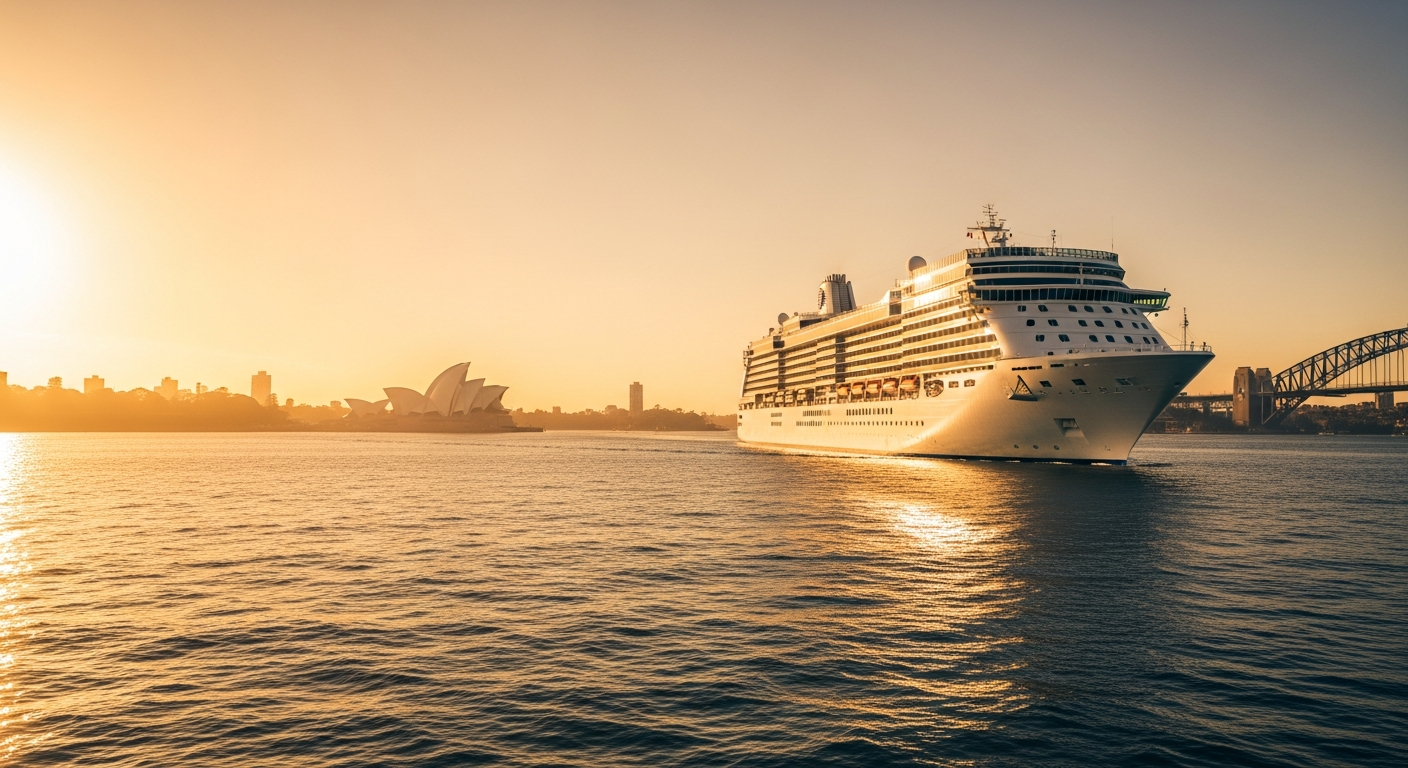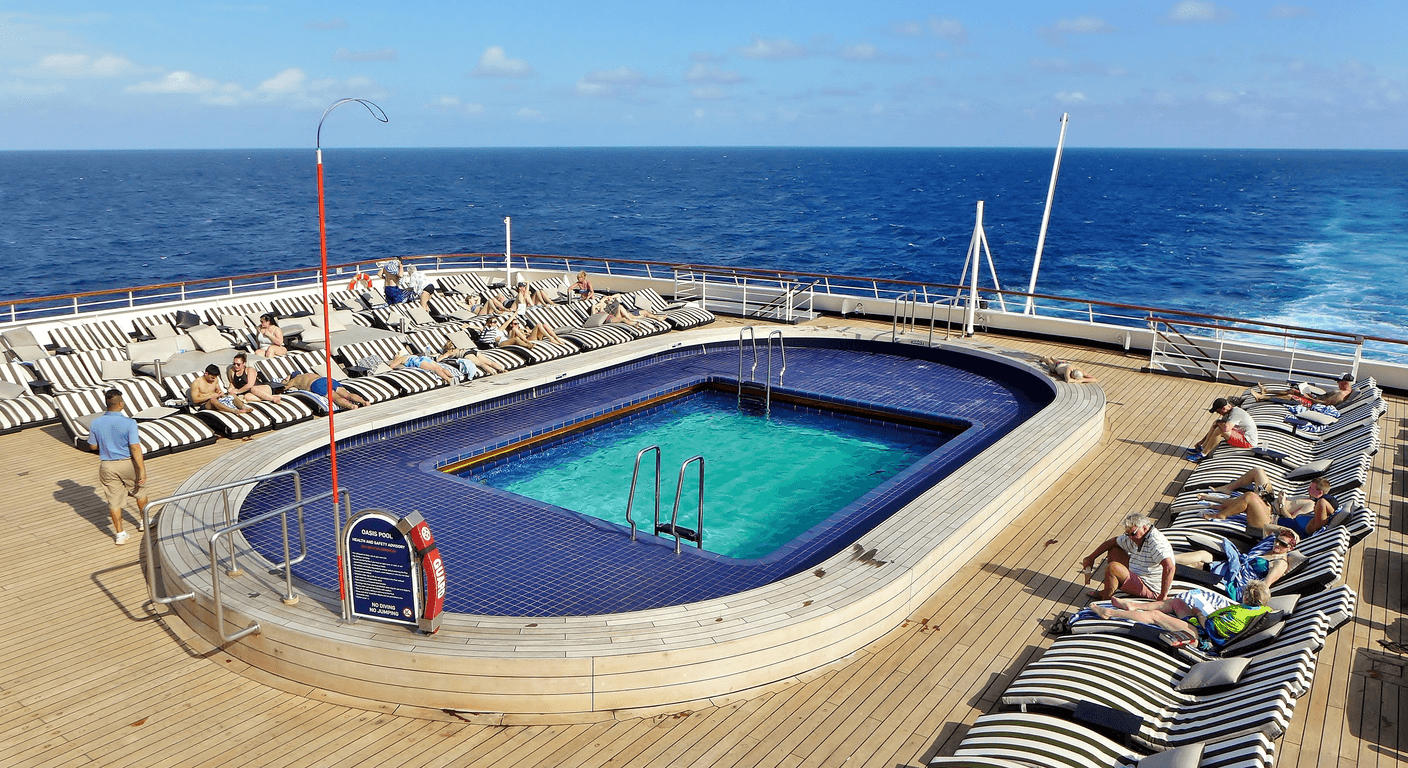
Cruise ship spas and wellness programs have grown considerably in recent years, and for travellers over 50, they can be a genuine highlight of a sailing rather than an afterthought. From thermal suites and gentle fitness classes to quiet deck walking tracks and healthier dining menus, the wellness side of cruising rewards those who plan for it. This guide cuts through the glossy brochure language to tell you what the experience is actually like, what it costs in real terms, and where to spend your energy — and your dollars.
What Does 'Wellness at Sea' Actually Mean on a Modern Cruise Ship?
The word wellness gets used broadly in cruise marketing, covering everything from a modest gym and a sauna to elaborate spa complexes with hydrotherapy pools, salt rooms, and dedicated wellness itineraries. For over-50 travellers, the practical reality sits somewhere in the middle, and it is worth knowing which parts of the offering genuinely suit your pace and which are aimed at a much younger or more athletic traveller.
On mainstream cruise lines operating in Australian waters — including those departing from Melbourne's Station Pier or Sydney's Overseas Passenger Terminal — the wellness facilities typically include a fitness centre, a spa with treatment rooms, a thermal or hydrotherapy suite, and some form of group fitness programming. The quality and size of these spaces varies significantly between ship classes, so it pays to look at the specific vessel you are sailing on, not just the line's general brochure.
The honest framing is this: a cruise ship is not a dedicated wellness retreat, and it does not pretend to be one on its best days. But for a traveller who wants to weave some gentle movement, heat therapy, and quieter moments into an otherwise social and sightseeing-focused holiday, the facilities on a contemporary ship can be genuinely satisfying — provided you approach them with realistic expectations and a little advance planning.
Thermal Suites and Spa Passes: Are They Worth the Cost?
The thermal suite — sometimes called a hydrotherapy suite or thermal spa complex — is typically the most compelling wellness space on a ship for older travellers. These areas generally include heated tile loungers (called heated stone beds or similar), steam rooms, a sauna, a salt inhalation room, and sometimes a thalassotherapy pool or hydro-jet pool. Access is adult-only, numbers are capped, and the atmosphere is genuinely calm. On sea days especially, it becomes a restorative space rather than a busy facility.
Access is usually sold as either a per-visit fee or a cruise-length pass. The pass model is almost always better value if you plan to use the thermal suite more than two or three times. Indicative pricing for a cruise-length thermal suite pass on mainstream lines sailing from Australia runs roughly AUD $200–$400 per person depending on the sailing length and the ship — though you should confirm current pricing directly with the line or your travel agent, as these figures shift with promotions and itinerary length. On a 10- or 14-night sailing, a pass can work out to around AUD $20–$30 per day, which compares favourably with day spa rates ashore.
One practical note for couples: passes are priced per person, and not all ships offer a paired discount, so factor that into your planning. Availability is genuinely limited on popular sailings — thermal suites are capped for comfort — and passes do sell out, particularly on longer itineraries and during school holiday periods. If this is a priority for your trip, enquire about purchasing the pass at or before embarkation rather than waiting until you are mid-voyage.
Fitness Classes and Movement Sessions: What Suits Travellers Over 50?
Most mid-to-large cruise ships schedule a daily program of group fitness classes, and the range has broadened considerably in recent years. Alongside the spin classes and high-intensity sessions aimed at younger travellers, you will typically find morning stretch and flexibility classes, yoga or tai chi on the open deck (weather permitting), low-impact aerobics, and sometimes a dedicated 'gentle movement' or 'balance and mobility' session. These are often held in the morning to leave the rest of the day free.
The fitness centre itself is usually open from early morning until late evening and includes treadmills, stationary bikes, and resistance equipment. For a traveller managing mild joint issues or preferring lower-impact exercise, the stationary bikes and walking-pace treadmills are practical options. The gym on a ship is rarely a quiet space during peak morning hours, but it tends to quieten significantly after around 9 am on sea days, which suits a later-rising traveller well.
Some lines have introduced dedicated wellness itineraries or partnered with external wellness brands to offer structured programs across the voyage — think daily guided stretching, nutritional talks, and mindfulness sessions. These are worth looking at on the line's website before you sail if structured programming appeals to you. For many over-50 travellers, though, simply dipping in and out of the daily schedule as it suits is the more enjoyable approach.
Walking the Deck: One of the Best Free Wellness Tools on Any Ship
It sounds simple, and it is, but the walking track on the upper promenade or sports deck of most cruise ships is genuinely one of the more pleasant ways to stay active at sea. The loop distance varies by ship — commonly somewhere between 400 and 600 metres per circuit — and the track is typically marked with lap distances. Walking several laps before breakfast, with open sea views and a light breeze, is a different experience to a treadmill and an appealing one for many older travellers.
The promenade deck on older-style ships is often a shaded wraparound walkway at a lower level, while newer ships tend to put the walking track higher up on an open sports deck. If shade and protection from wind matter to you — and they do matter on longer sea days — it is worth checking which style of track your specific ship offers. A few lines still operate the classic full wraparound promenade, which many seasoned cruisers regard as one of the better design features a ship can have.
Early morning, before the deck chairs fill up, is the ideal time. The track is quieter, the light is good, and the rhythm of walking at sea has a particular quality that is hard to replicate ashore. For a traveller who finds gym environments uninspiring, this is a no-cost, no-booking alternative that serves the same purpose.
Quiet Spaces and Adult-Only Areas: Finding Your Calm on a Busy Ship
One of the genuine frustrations of cruising for older travellers can be the noise and pace of the main pool deck during sea days, particularly on family-friendly sailings. The good news is that most ships of any significant size now offer at least one adult-only pool or quiet zone — sometimes marketed as a 'Serenity' area or similar — and the difference in atmosphere is marked. These spaces tend to have comfortable loungers, a quieter pool or whirlpool, and a bar service that does not involve a DJ.
Access to adult-only areas is generally included in your fare, though the thermal suite is a separate paid access as discussed. It is worth locating these spaces on your ship's deck plan before you sail — they are not always prominently signposted, and knowing where they are on day one saves the frustration of wandering through the wrong decks on your first sea day.
The ship's library (where one still exists), certain lounge areas during daytime hours, and the thermal suite itself all function as de facto quiet spaces. On longer voyages, having a mental map of two or three places where you can reliably find calm is a practical piece of planning that pays dividends across a 10- or 14-night sailing.
The Hard-Sell Culture in Ship Spas: How to Navigate It Comfortably
This is the part that the brochures do not mention, but experienced cruise travellers know it well. The spa on a cruise ship is typically operated by a third-party concession — Steiner Leisure is the most common operator across multiple lines — and the staff are trained to upsell products and follow-up treatments at the end of each session. After a facial or a massage, you will often be taken through to a retail area and offered a range of skincare products, sometimes quite persistently.
This is not unique to any one line, and it is not a reflection of individual staff members doing anything wrong — it is simply the commercial model these concessions operate on. Knowing it is coming makes it much easier to handle. A polite, calm 'thank you, I am not purchasing today' is entirely sufficient, and the interaction typically ends there. The treatments themselves, if you choose to book them, can be genuinely good — the therapists are usually well-trained — so it is worth not letting the sales culture put you off the experience entirely.
If you prefer to avoid the dynamic altogether, the thermal suite pass gives you access to the heat experiences and hydrotherapy facilities without any treatment booking or associated sales encounter. Many travellers over 50 find this the better model: self-directed, calm, and at your own pace. Individual treatments are worth considering for a special occasion or a particularly long sea day, but they are by no means essential to enjoying the wellness side of a cruise.
Healthier Dining Options and Eating Well at Sea
The reputation of cruise ships for excess at the buffet is not entirely undeserved, but the dining landscape on contemporary ships has shifted considerably. Most mainstream lines now offer clearly labelled lighter options in both the main dining room and the buffet, including grilled proteins, vegetable-forward dishes, and lower-sodium choices. Some ships have dedicated wellness menus or 'Canyon Ranch at Sea' style offerings — again, check the specific ship rather than the line's general marketing.
For travellers managing dietary requirements — whether that is a preference for less oil and salt, a need for vegetarian or plant-based options, or a medical dietary requirement — it is always worth notifying the line in advance and confirming with the dining staff on embarkation day. The main dining room, with its waiter service and menu selection, generally gives more control over what lands on your plate than the buffet does.
Hydration is easily overlooked on sea days, particularly when the air conditioning is working hard and the days are full. Most ships offer complimentary water, herbal teas, and juices at various points around the ship — the thermal suite typically has a water station — and building a habit of drinking regularly across the day is a small but meaningful part of staying well at sea. Alcohol packages are aggressively marketed on embarkation day; there is no obligation to purchase one, and non-alcoholic beverage packages are available on most lines if that suits your travel style better.
Key takeaways
- A cruise-length thermal suite pass — indicatively AUD $200–$400 per person — typically offers better value than per-visit fees if you plan to use the space regularly across a voyage.
- Thermal suite passes sell out on popular sailings, so enquiring about purchase at or before embarkation is more reliable than waiting until mid-cruise.
- The promenade or upper deck walking track is a no-cost, no-booking wellness option that many over-50 travellers find more enjoyable than the ship's gym.
- Ship spa staff are often trained to upsell products after treatments; a calm, polite refusal is entirely sufficient and the interaction typically ends there.
- Adult-only pool and quiet zones exist on most mid-to-large ships and are generally included in the fare — locate them on the deck plan before you sail.
- Healthier dining options are available on most mainstream cruise lines, but notifying the line of dietary preferences in advance and confirming with dining staff on embarkation day gives the best results.
Recommended partners and links
Indicative prices only — always confirm with the operator before booking.
Frequently asked questions
Is a thermal suite pass on a cruise ship worth buying for older travellers?
For travellers over 50 who enjoy heat therapy, quiet spaces, and hydrotherapy, a cruise-length thermal suite pass is generally worth the cost. Indicative pricing runs roughly AUD $200–$400 per person depending on the line and sailing length, which works out to around AUD $20–$30 per day on a longer voyage. Confirm current pricing directly with the line, as it varies by ship and itinerary. The pass gives unlimited access to heated loungers, steam rooms, saunas, and hydrotherapy pools without any treatment booking or sales pressure.
What fitness and wellness classes are available on cruise ships for over-60 travellers?
Most mainstream cruise ships offer a daily schedule of group fitness classes that includes options suitable for older travellers, such as morning stretching and flexibility sessions, yoga, tai chi on deck, and low-impact aerobics. High-intensity and spin classes are also offered but are not the only options. The fitness centre is typically open all day and includes stationary bikes and treadmills. Check the specific ship's daily program, which is published each evening for the following day, to find the sessions that suit your pace.
How do you avoid the hard-sell culture in cruise ship spas?
Cruise ship spas are typically operated by third-party concessions and staff are trained to recommend products and follow-up treatments after each session. Knowing this in advance makes it easier to handle — a polite 'thank you, I am not purchasing today' is sufficient. If you prefer to avoid the dynamic entirely, purchasing a thermal suite pass gives access to heat and hydrotherapy facilities without any treatment booking or associated sales encounter.
Do cruise ships have quiet areas away from the main pool deck?
Yes. Most mid-to-large cruise ships have at least one adult-only pool or quiet zone — sometimes called a 'Serenity' area or similar — with a calmer atmosphere, comfortable loungers, and a quieter pool. These areas are generally included in the cruise fare at no extra cost. It is worth locating them on the ship's deck plan before you sail, as they are not always prominently signposted onboard.
Can you eat healthily on a cruise ship as an older traveller?
Yes, though it takes some intentional choices. Most mainstream cruise lines now label lighter options in the main dining room and buffet, including grilled proteins, vegetable dishes, and lower-sodium choices. The main dining room generally gives more control over your meal than the buffet. Notify the line of any dietary requirements before you sail and confirm with dining staff on embarkation day. Staying well hydrated is also important — complimentary water and herbal teas are available around most ships.
Got a tip, a price update or a story from this route? The community would love to hear it.
Share your views on our Facebook page— Seniors and Solo Traveller Stories