Tasmania in winter rewards couples who are happy to slow down, layer up, and let the weather set the pace. This guide covers the practical choices — Spirit of Tasmania versus flying, where to stay warm, and what to do when the days are short and the roads are icy — so over-50 couples can plan a cosy July or August escape with clear eyes.
Why winter in Tasmania makes sense for over-50 couples
Tasmania in July and August is not a secret, but it is quieter than the summer rush — and that suits many over-50 travellers just fine. Accommodation is easier to secure, roads through the Huon Valley or along the east coast carry fewer campervans, and the state takes on a more genuine, unhurried character. The light is low and golden when it appears, and a wood fire in a stone cottage after a short afternoon walk feels like a proper reward rather than a consolation prize.
The honest truth about Tasmanian winter is that it demands flexibility. A plan to walk Dove Lake at Cradle Mountain can be shut down by ice, low cloud, or a road closure in a matter of hours. Couples who build their itinerary around indoor anchors — a long lunch, a gallery, a fireplace afternoon — and treat outdoor excursions as bonuses rather than obligations tend to enjoy themselves most. That mindset happens to align well with the pacing many travellers in their sixties and seventies prefer anyway.
Winter also brings a particular atmosphere to Hobart. The waterfront markets at Salamanca continue on Saturdays, the cafes are warm, and MONA operates its winter program with a slightly more contemplative crowd than the summer festival season draws. For a couple who enjoy art, food, and conversation more than ticking off hikes, this is genuinely a strong time to visit.
Spirit of Tasmania or fly? How to weigh up the two options
The choice between sailing and flying shapes the whole trip, so it is worth thinking through carefully. Flights from Melbourne to Hobart run around $99 to $250 one way in indicative terms — confirm current fares with Virgin Australia, Qantas, or Jetstar directly — and take about an hour. Flying is the practical choice if one of you has mobility limitations that make a long sea crossing difficult, or if your window is tight. Hobart Airport is a manageable size, and the drive into the city is straightforward.
The Spirit of Tasmania is a different kind of travel experience entirely. The overnight crossing from Geelong takes roughly nine to ten hours, and a cabin upgrade from a basic four-berth to a two-berth private cabin or a porthole cabin makes a meaningful difference to comfort. Indicative cabin prices vary considerably by grade and season — budget for roughly $200 to $500 or more per person for a return crossing in a private cabin, and check the Spirit of Tasmania website for current fares as pricing changes seasonally. The advantage for couples is arriving with your own vehicle, which matters enormously in winter when public transport options outside Hobart are limited and driving at your own pace is far more practical than hiring a car at the airport.
One consideration worth naming honestly: the Bass Strait in winter can be rough. The vessel is large and modern, and most passengers travel without issue, but if either of you is prone to motion sickness, pack medication and book a cabin on a lower deck towards the midship. The daytime sailing option, where available, lets you watch the strait rather than sleep through it, which some travellers find easier.
Where to stay: fireplace cottages and warm bases
A fireplace is not a luxury in Tasmanian winter — it is a practical necessity for the kind of trip this guide is describing. Self-contained cottages with a wood heater or slow-combustion fireplace are the gold standard. The Huon Valley south of Hobart, the Coal River Valley wine region to the east, and the villages around Richmond all have good concentrations of this type of accommodation. Discover Tasmania's accommodation search at discovertasmania.com.au lets you filter by region and is a sensible starting point.
For couples who prefer not to self-cater, Hobart's inner suburbs — particularly Battery Point, North Hobart, and the waterfront precinct — offer boutique hotels and guesthouses within walking distance of restaurants and galleries. This matters in winter when driving back to a rural cottage on an unfamiliar dark road after dinner is less appealing than it sounds in daylight. Staying centrally for the Hobart portion of the trip and then moving to a rural cottage for a night or two gives a good balance.
Accessibility varies considerably between properties. Stone cottages with charm often come with uneven floors, steep external steps, and bathrooms that were not designed with mobility in mind. If either of you has knee or hip concerns, it is worth ringing the property directly rather than relying on website photos — ask specifically about step heights, bath versus shower, and path surfaces. Most Tasmanian hosts are straightforward and will give you an honest answer.
MONA as a winter anchor: what to expect
The Museum of Old and New Art sits about twelve kilometres from Hobart's CBD on the Berriedale peninsula, and it operates year-round. In winter, outside the peak of the Dark Mofo festival in June, it tends to draw a smaller, more art-focused crowd — which makes for a more relaxed visit. The permanent collection is substantial and genuinely provocative in places; this is not a light Sunday-afternoon gallery. Give it a full morning or afternoon rather than a rushed hour.
Getting there without a car is easy from Hobart: the MONA ROMA ferry departs from Brooke Street Pier in the city and takes about twenty-five minutes each way, offering views of the Derwent River that are worth the trip independently. The ferry is a more comfortable option than driving and parking, particularly if the weather is closing in. Confirm current timetables and fares at mona.net.au before you go.
Inside the museum, the main gallery spaces are underground and accessible by lift. The terrain on the property's surface — lawns, gravel paths, and some uneven ground near the vineyard — can be slippery after rain, so the same footwear advice that applies to outdoor walking applies here. The on-site restaurant, The Source, is worth a booking for lunch; the produce-driven menu suits a long, unhurried meal on a grey winter day.
Short days and slower pacing: planning your hours honestly
Hobart sits at around 43 degrees south latitude, which means winter days are genuinely short. Sunrise in July is after seven-thirty and sunset comes before five in the afternoon. That is roughly nine hours of usable daylight, and in practice, if you factor in cloud cover and the slower morning rhythm that many over-50 travellers prefer, you are planning around six to seven active hours per day. This is not a complaint — it is useful information for building a realistic itinerary.
A sensible winter day in Tasmania might look like: a late breakfast or brunch, one main outing of two to three hours (a gallery, a short walk, a drive to a winery), a long lunch or early afternoon rest back at the cottage, and then a simple dinner either cooked in or at a nearby restaurant. That rhythm accommodates the light, the weather variability, and the physical reality of a trip that should feel restorative rather than exhausting.
Resist the temptation to overload the itinerary with driving days. Distances on the map look manageable but mountain roads, particularly between Hobart and Cradle Mountain or along the west coast, add significant time and concentration. A five-day trip is better spent doing three or four regions slowly than attempting a circumnavigation of the island.
Icy paths, mountain roads, and what to pack on your feet
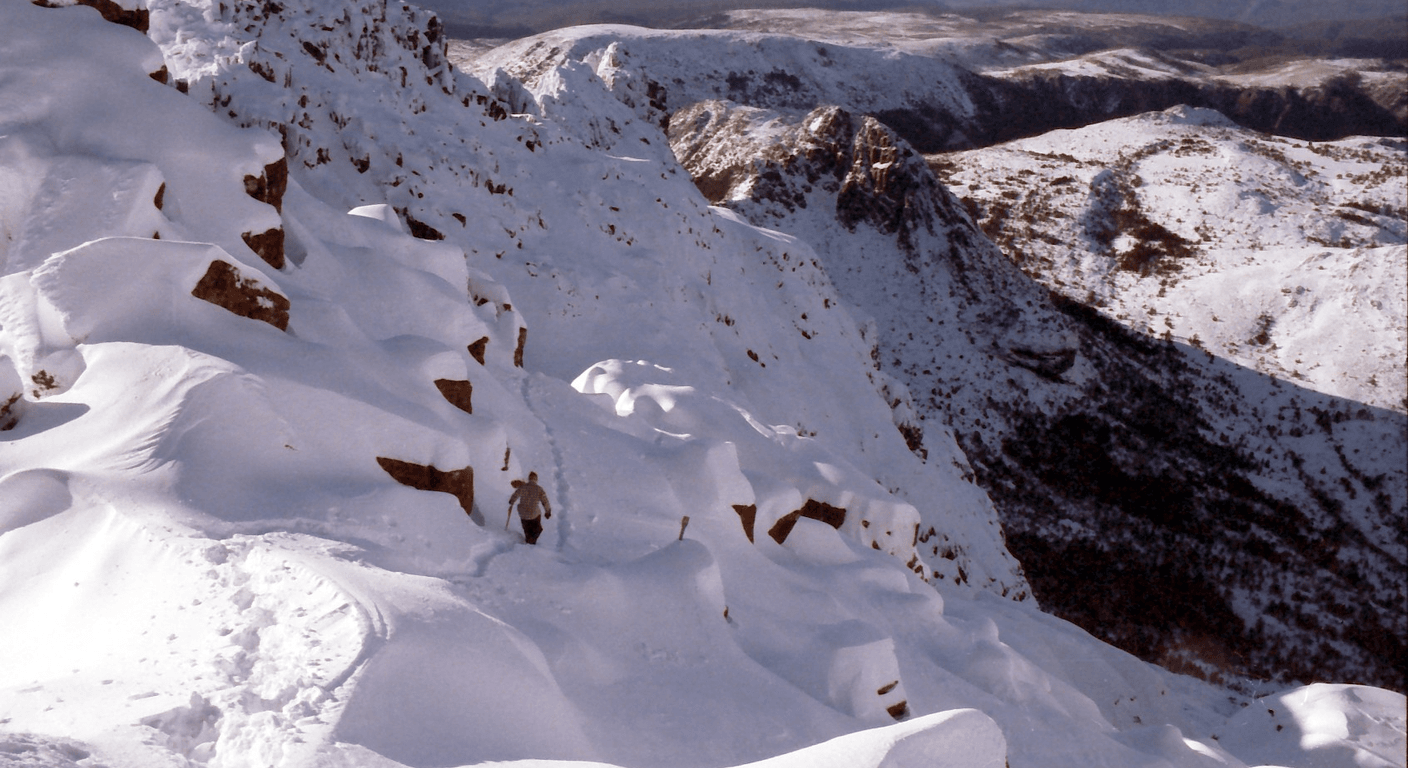
This section exists because it matters and is often glossed over in travel writing. Tasmanian winter paths — including popular short walks near Cradle Mountain, in Mount Field National Park, and on some Hobart hillside streets — can be genuinely icy in the mornings. A slip on a wet wooden boardwalk or a frost-covered path is not a trivial risk. The solution is straightforward: bring waterproof walking shoes or boots with a proper non-slip sole. Trail runners with a grip sole work well; leather dress shoes or smooth-soled fashion boots do not.
Mountain roads deserve particular honesty. The Lyell Highway between Hobart and Queenstown crosses mountain terrain where snow, black ice, and sudden fog are all possible in winter. The same applies to roads approaching Cradle Mountain and parts of the Central Highlands. Check the Tasmania Traffic and Roads Information Centre website (traffic.tas.gov.au) for road condition updates before any mountain drive, and build in flexibility to postpone or abandon a route if conditions are poor. This is not overly cautious — it is what experienced Tasmanian drivers do.
Carrying a few practical items makes a real difference: a small torch for early departures or late returns, a compact umbrella, a warm inner layer that packs small, and a thermos for long drives. Rental cars in Tasmania generally do not come with snow chains fitted as standard — if you are planning to drive to Cradle Mountain or the Central Highlands, ask the rental company directly about chains and the current requirement.
A few other winter experiences worth knowing about
The Salamanca Market runs every Saturday morning in Hobart regardless of season, and in winter the stalls selling hot drinks, soups, and local produce come into their own. It is a good way to spend a slow Saturday morning without committing to a full-day outing. The surrounding Salamanca Place galleries and shops are undercover or indoors, so it is a weather-resilient option.
Mount Field National Park, about an hour northwest of Hobart, is manageable in winter for couples who want a taste of Tasmanian wilderness without a remote drive. The lower walks around Russell Falls are well-maintained and largely accessible, and the giant swamp gums in the valley are extraordinary in any season. The higher alpine areas above the snowline are a different matter and require proper preparation. The Parks and Wildlife Service Tasmania website at parks.tas.gov.au has current track conditions and access information.
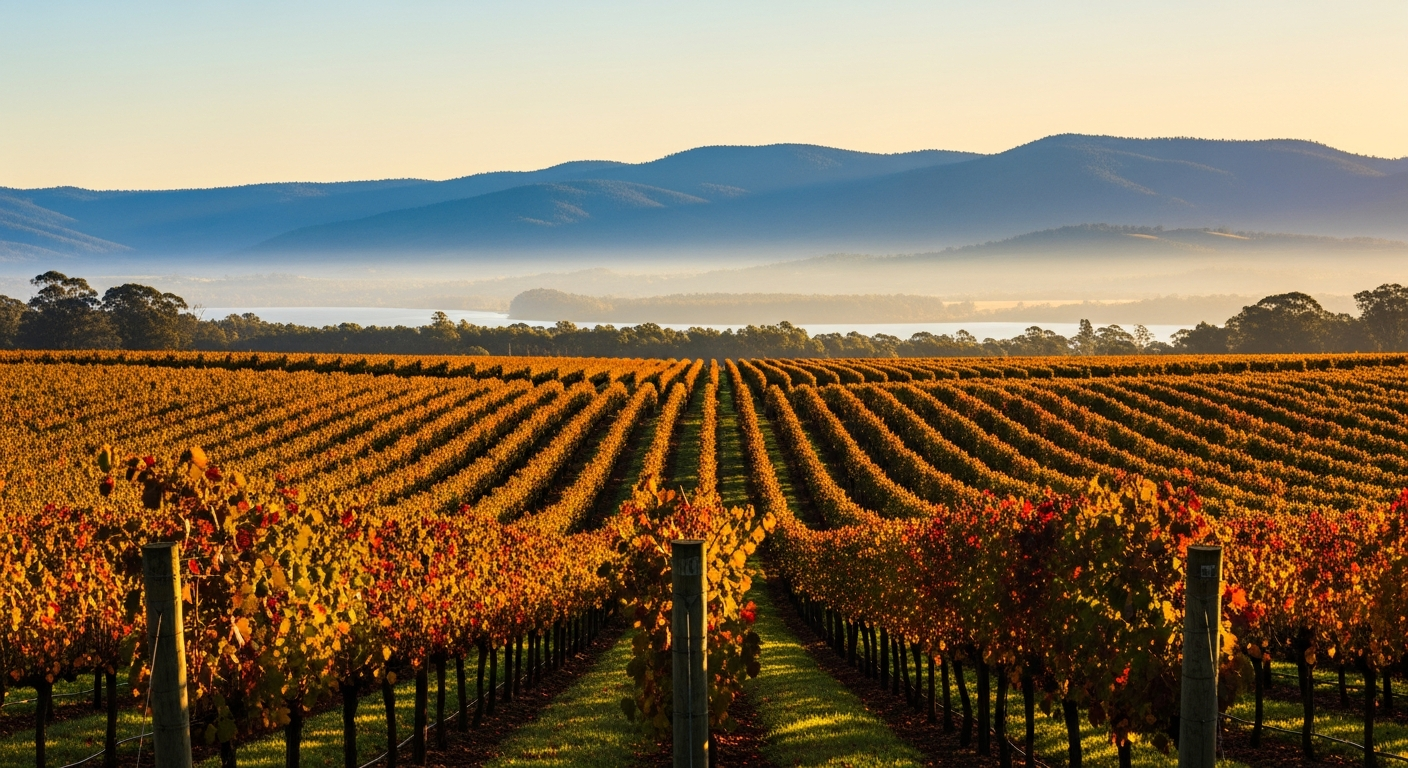
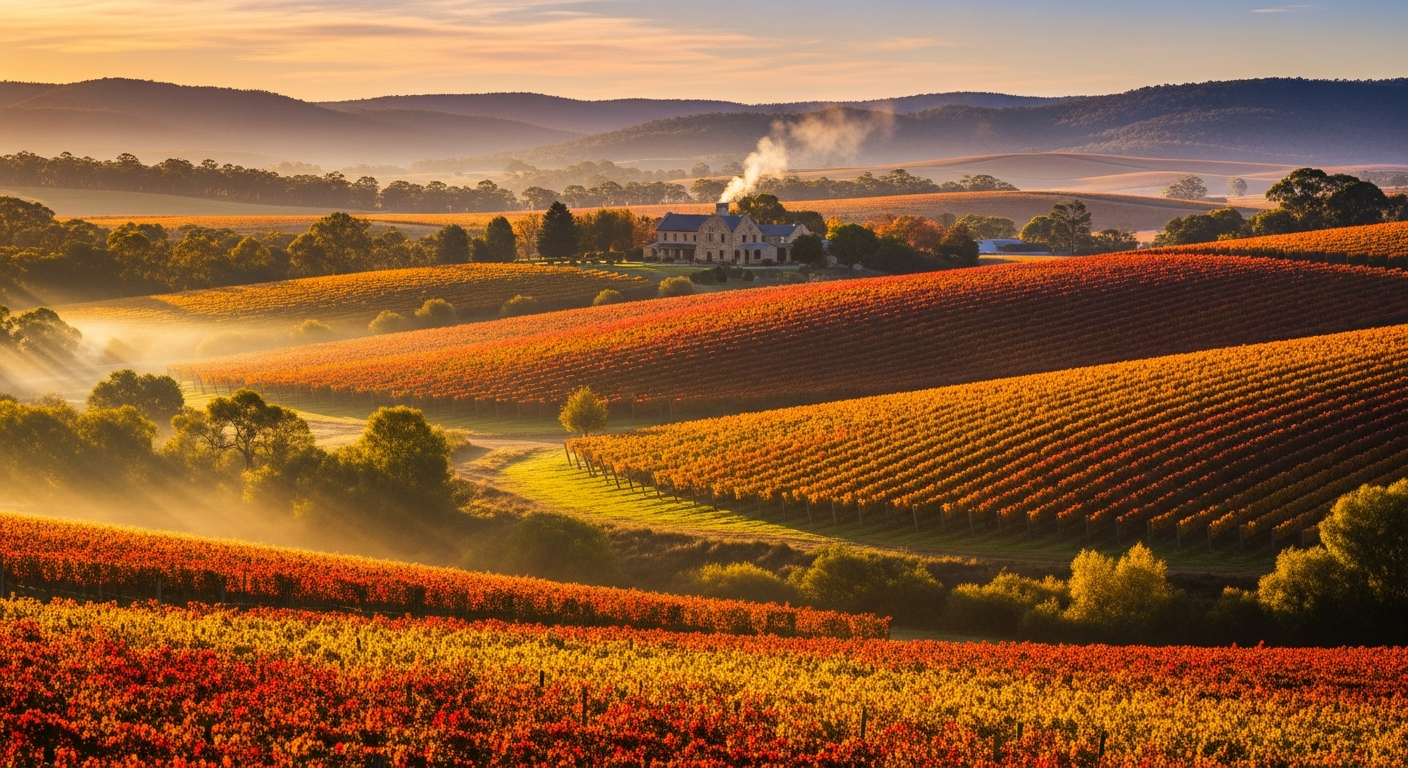
For food and wine, the Coal River Valley and Tasman Peninsula are both within an hour of Hobart and offer cellar doors and providores that welcome visitors year-round. Many small producers appreciate the quieter winter visits and are more likely to have time for a proper conversation about their wines or cheeses. Confirm opening hours before driving out, as some smaller operations reduce their winter hours.
Key takeaways
- Tasmanian winter days offer roughly nine hours of daylight, so a realistic itinerary plans for six to seven active hours and builds in rest.
- The Spirit of Tasmania with a private cabin upgrade suits couples who want to bring their own car — essential for flexible winter travel outside Hobart.
- Indicative flights from Melbourne to Hobart run around $99 to $250 one way; always confirm current fares directly with the airline.
- MONA operates year-round and is quieter in winter outside the Dark Mofo festival period, making it a practical and unhurried indoor anchor.
- Waterproof boots with a non-slip sole are not optional in Tasmanian winter — icy boardwalks and frost-covered paths are a genuine hazard.
- Mountain roads including the Lyell Highway and the approach to Cradle Mountain can carry snow and black ice in winter; check traffic.tas.gov.au before driving.
Recommended partners and links
Indicative prices only — always confirm with the operator before booking.
Frequently asked questions
Is the Spirit of Tasmania worth taking in winter for a couple over 60?
For couples who want to bring their own vehicle and are not in a hurry, the Spirit of Tasmania is a practical and enjoyable option. A private two-berth cabin upgrade makes the overnight crossing comfortable, and arriving with your car removes the need for a rental. The Bass Strait can be rough in winter, so anyone prone to motion sickness should take medication and book a midship cabin on a lower deck. Check current cabin fares and sailing schedules at spiritoftasmania.com.au.
What is MONA like to visit in winter?
MONA is open year-round and tends to be quieter in winter outside the June Dark Mofo festival. The permanent collection is large, thought-provoking, and largely housed in underground galleries accessible by lift. The MONA ROMA ferry from Brooke Street Pier in Hobart is the most comfortable way to get there and takes about twenty-five minutes each way. Allow a full morning or afternoon rather than a quick visit. Confirm current entry prices and ferry timetables at mona.net.au.
How dangerous are Tasmanian mountain roads in winter?
Mountain roads in Tasmania can carry snow, black ice, and sudden fog in winter, particularly the Lyell Highway to Queenstown and roads approaching Cradle Mountain. These conditions are not unusual and require genuine caution. Check the Tasmania Traffic and Roads Information Centre at traffic.tas.gov.au for current conditions before any mountain drive, and be prepared to change plans if conditions are poor. Ask your rental car company about snow chains if you plan to drive to alpine areas.
What type of accommodation suits a winter trip to Tasmania for couples?
Self-contained cottages with a wood heater or fireplace are well-suited to Tasmanian winter and are widely available in regions like the Huon Valley, Coal River Valley, and around Richmond. Couples with mobility considerations should ring properties directly to ask about step heights, bathroom configuration, and path surfaces before booking, as older stone cottages often have uneven terrain. Discover Tasmania's accommodation search at discovertasmania.com.au is a practical starting point.
What should couples pack for a Tasmanian winter trip?
Waterproof boots or trail shoes with a non-slip sole are the most important item — icy paths and wet boardwalks are common. Beyond footwear, pack a compact waterproof jacket, a warm mid-layer that packs small, a thermos for long drives, a small torch, and motion sickness medication if you are taking the ferry. Dressing in layers is more practical than heavy single garments, as interiors in Tasmania are generally well-heated.
Got a tip, a price update or a story from this route? The community would love to hear it.
Share your views on our Facebook page— Seniors and Solo Traveller Stories