The Northern Territory offers a modest but useful set of concessions for older visitors and residents, anchored by the NT Seniors Card and the NT Concession Scheme for utilities. Outside Darwin, however, the honest reality is that public transport barely exists — and planning a self-drive or joining a guided tour is not a workaround but a necessity for reaching the places most visitors come to see.
What concessions does the Northern Territory actually offer older travellers?
The Northern Territory's concession landscape is smaller than what you might find in Victoria or New South Wales, and it is worth understanding the distinction between what is available to NT residents and what visitors can access. The NT Seniors Card is the main gateway — it gives holders access to discounts with participating businesses across the territory, and Victorian Seniors Card holders can use it reciprocally at many of those businesses under the national network agreement.
The NT Concession Scheme is a separate, resident-focused program that provides financial assistance with essential costs including electricity, water and sewerage, and certain medical transport expenses. If you are visiting the NT rather than living there, this scheme does not apply to you directly — it is designed for people whose primary residence is in the territory. If you have recently relocated to the NT, the nt.gov.au website outlines eligibility criteria and how to apply.
For visitors, the practical concession value sits mainly in the Seniors Card discount network — think reduced entry at some attractions, discounts at select accommodation providers, and occasional savings at local businesses. It is a genuine benefit, but it is modest. Approach it as a pleasant bonus rather than a major cost-saving mechanism for your trip.
How does the NT Concession Scheme work for utilities?
The NT Concession Scheme covers a range of essential services for eligible NT residents. On the utilities side, eligible households can receive a rebate applied directly to their electricity and water accounts — the amounts are set by the NT Government and reviewed periodically. The scheme is means-tested and linked to holding a current concession card such as a Pensioner Concession Card issued by Services Australia.
To access these utility concessions, residents need to register through the NT Government's concessions portal at nt.gov.au. The process is straightforward: you provide your concession card details, your account information, and the relevant rebates are applied automatically or credited to your account depending on the provider. If you are a new arrival to the NT and hold an eligible Commonwealth concession card, it is worth registering promptly because rebates are generally not backdated.
Power and Water Corporation is the main utility provider for most of the NT, and they work directly with the NT Government to apply these concessions. If you have questions about how a rebate appears on your bill, the Power and Water Corporation customer service line or the NT Government concessions team are the right contacts. All current rates and eligibility details are published at nt.gov.au — always confirm figures there rather than relying on any indicative numbers you read elsewhere, as these are updated regularly.
Is there public transport in Darwin that seniors can use?
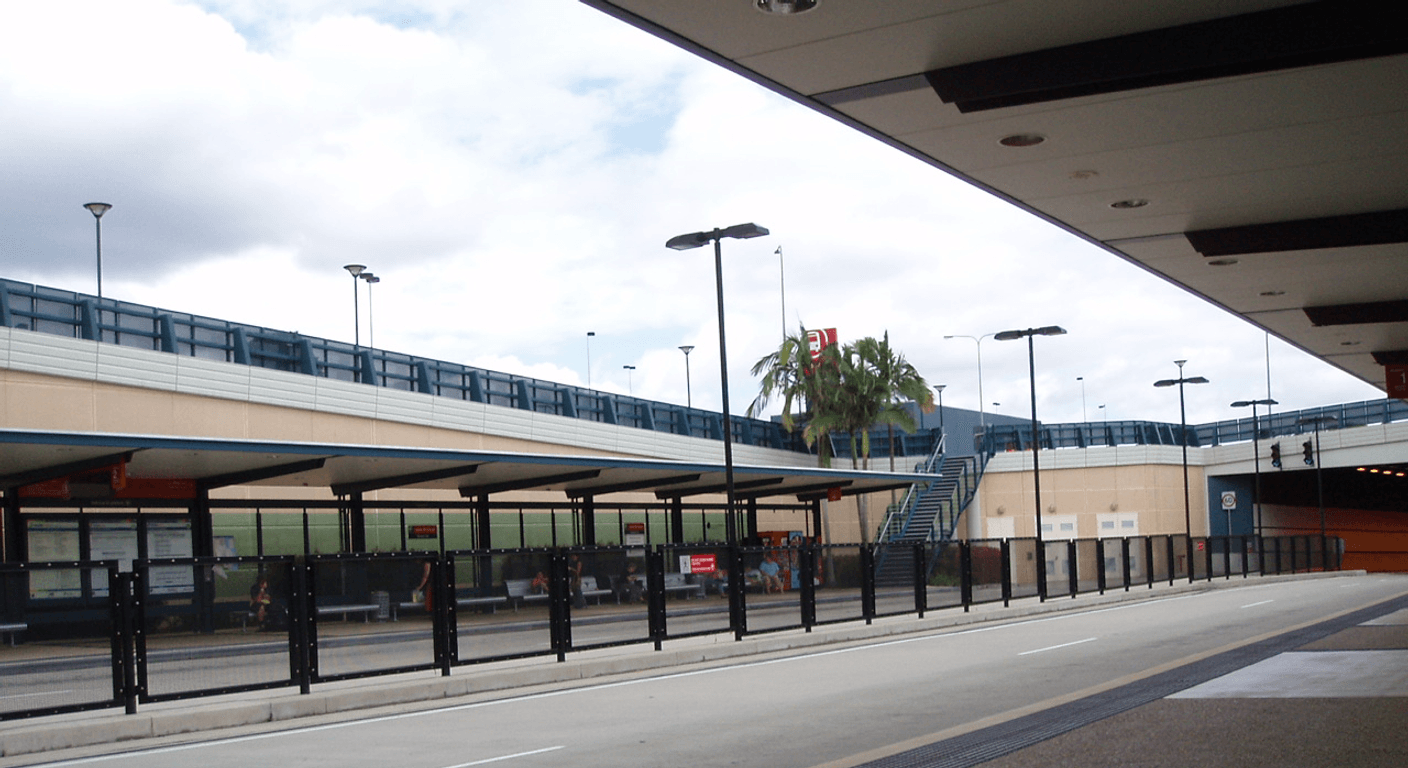
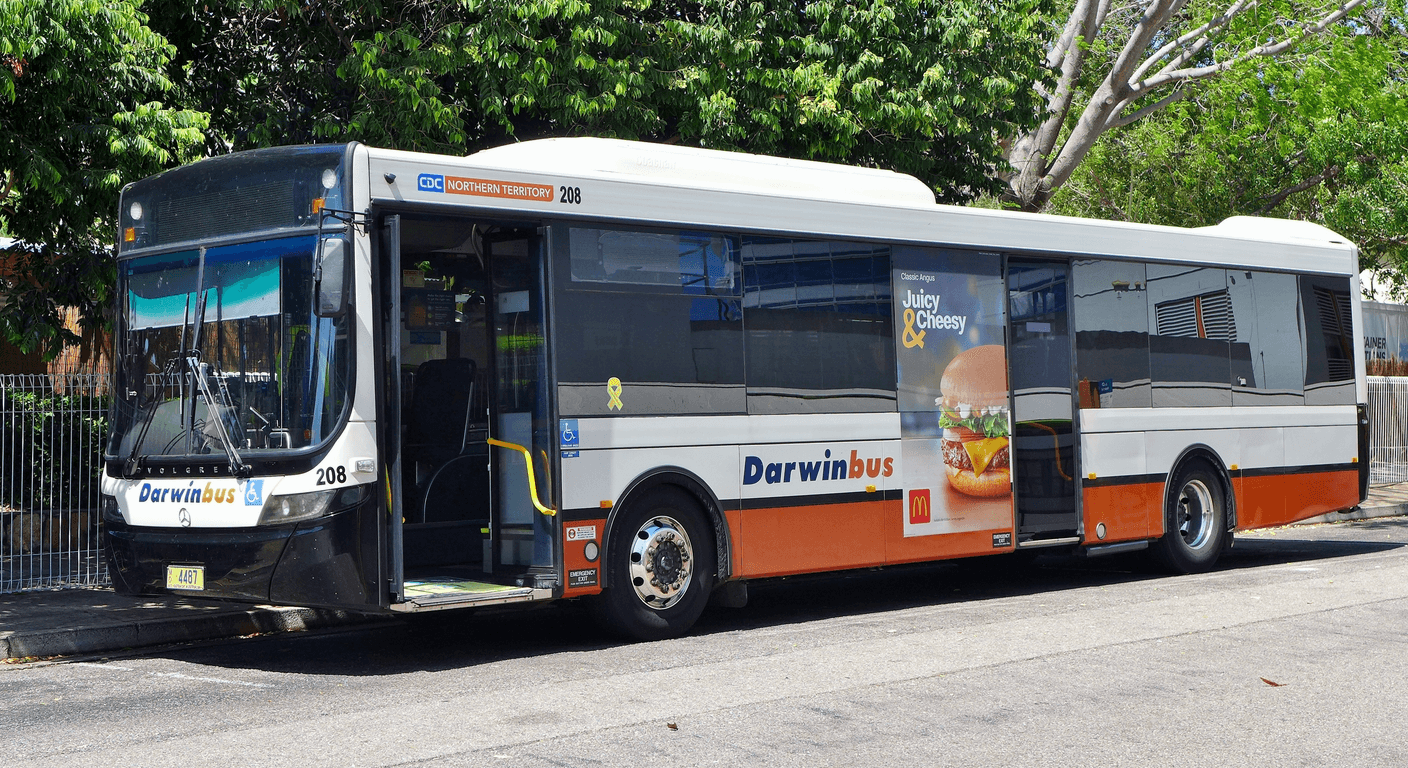
Darwin does have a bus network — Darwinbus — and it is the only meaningful public transport system in the territory. For older travellers staying in or around Darwin's CBD, the Casuarina shopping precinct, or inner suburbs like Parap and Fannie Bay, the network is usable and reasonably reliable. Concession fares apply for holders of eligible cards, with indicative fares around $1.10 to $1.50 per trip — but confirm current pricing with the NT Government's transport pages before you travel.
The buses are air-conditioned, which matters enormously in Darwin's tropical climate. That said, stops are not always shaded, and walking between stops and destinations can be uncomfortable in the build-up season (roughly October to March) when humidity is high. If heat and humidity affect your mobility or stamina, factor that into how much you plan to rely on buses and build in rest time accordingly.
There is no train service in Darwin, no light rail, and no ferry network for getting around the city. Taxis and rideshare services (Uber operates in Darwin) fill some of the gap, and many of the city's main visitor attractions — the Museum and Art Gallery of the Northern Territory, Mindil Beach, the Darwin Waterfront — are reachable by bus or a short taxi ride. For day trips beyond the immediate Darwin area, however, the bus network does not extend far, and you will need another plan.
What is the honest picture for getting around outside Darwin?
Here is the plain truth: outside Darwin, public transport in the Northern Territory does not exist in any practical sense for independent travellers. There are no regional bus networks connecting Alice Springs to Uluru, no local buses in Katherine or Tennant Creek that serve tourist routes, and no scheduled services that will get you from one iconic landscape to another. The NT is vast — Alice Springs is roughly 1,500 kilometres from Darwin by road — and the infrastructure simply has not been built to move people around it the way eastern Australia's cities can.
Greyhound Australia operates long-distance coach services on the Stuart Highway corridor between Darwin and Adelaide (via Katherine, Tennant Creek and Alice Springs), and this is a legitimate option for point-to-point travel between major towns if you are comfortable with long journey times and limited stops. But Greyhound is not a local sightseeing network — it will get you from Darwin to Katherine, not from Katherine to Nitmiluk Gorge. You still need a hire car, a tour transfer, or a guided tour once you arrive.
This is not a gap the NT Government or tourism operators are hiding — it is simply the geography. The Red Centre, Kakadu, Litchfield, Nitmiluk and the Kimberley border region are all places where the distances between points of interest require either a vehicle or a guided experience. Accepting this early in your planning means you can budget properly and choose options that suit your pace and comfort rather than arriving and improvising.
Hire car or guided tour — which works better for older travellers in the NT?
Both options are genuinely used by travellers in their 60s and 70s, and the right choice depends on your confidence driving on unsealed roads, your travel companion situation, and how much structure you want. For a couple who are comfortable driving and want flexibility — stopping when they choose, spending an extra night somewhere unexpected — a hire car gives the freedom that makes the NT extraordinary. The main sealed highways (Stuart, Arnhem, Victoria) are well maintained and accessible in a standard 2WD vehicle. Many of the popular national parks and gorges have sealed or well-graded access roads.
However, some of the most rewarding places — parts of Kakadu's interior, the Gibb River Road, certain gorges in the Red Centre — require a 4WD and experience driving on corrugated or sandy tracks. If that is not your background, a guided tour is not a compromise; it is genuinely the better experience. You benefit from a driver who knows the roads, a guide who can interpret Country and culture, and the social dimension of travelling with others. Many NT tour operators offer small-group departures specifically suited to older travellers, with paced itineraries and comfortable accommodation.
Hire car costs are indicative — roughly $80 to $150 per day for a standard vehicle, more for a 4WD, and fuel costs in the NT are higher than in Victoria, particularly in remote areas. Guided tour pricing varies widely depending on duration, accommodation standard and group size. Tourism NT's website at northernterritory.com is a useful starting point for finding licensed operators. Always confirm age-related policies with hire car companies directly, as some have upper age limits or additional insurance requirements for drivers over 70.
Practical tips for older travellers planning transport in the NT
Start with your Seniors Card and check which hire car companies and tour operators in the NT participate in the discount network — the savings are not dramatic but they are real. Carry your Pensioner Concession Card or Commonwealth Seniors Health Card as well, because some NT businesses and services recognise these independently of the Seniors Card. If you are eligible for the NT Concession Scheme for utilities, register through nt.gov.au before your first power or water bill arrives.
For Darwin itself, download the Darwinbus timetable before you arrive and identify the routes relevant to where you are staying. The network is more useful than many visitors realise for getting between the CBD, the waterfront, the Parap markets and major museums — you can have a perfectly enjoyable few days in Darwin without a car. The challenge comes the moment you want to leave the city.
If you are travelling as a couple and one of you finds long drives tiring, consider a mix: fly into Darwin, spend a few days in the city using buses and taxis, then join a guided tour for the outback legs rather than self-driving for the entire trip. This kind of hybrid approach suits many travellers in their 70s very well and removes the fatigue of long days behind the wheel in unfamiliar terrain. The NT's distances are real — Darwin to Uluru by road is a multi-day drive — and there is no virtue in underestimating them.
A note on accessibility in the NT
Accessibility in the Northern Territory is improving but uneven. Darwin's CBD and waterfront areas are generally accessible for people who use mobility aids, and Darwinbus has low-floor accessible buses on most routes. Major visitor sites such as the Museum and Art Gallery of the NT and the Darwin Convention Centre are fully accessible. The Darwin Waterfront precinct is flat and easy to navigate.
Outside Darwin, accessibility is more variable. Uluru-Kata Tjuta National Park has accessible viewing areas and some accessible walking paths — Parks Australia publishes current accessibility information at parksaustralia.gov.au. Nitmiluk (Katherine Gorge) has accessible boat tours. Kakadu is mixed: some areas are very accessible, others involve rough terrain that is genuinely challenging for anyone with limited mobility. Always check with the specific national park or tour operator before booking, rather than assuming.
Heat is a significant accessibility consideration in its own right. The NT's climate can be physically demanding for older travellers, particularly from October through March. The dry season (roughly May to September) is far more comfortable for most people and is when the majority of older visitors choose to travel. Plan your itinerary with rest breaks, carry water at all times, and do not underestimate how much the heat will affect your energy levels, especially on days with significant walking.
Key takeaways
- The NT Concession Scheme for utilities is for NT residents only — visitors benefit mainly through the Seniors Card discount network at participating businesses.
- Darwin has a usable bus network with concession fares, but outside the city, public transport for tourists essentially does not exist.
- Getting around the NT without a car requires either a hire vehicle or a guided tour — there is no third option for reaching most iconic sites.
- Greyhound coaches connect major NT towns on the Stuart Highway corridor but do not serve tourist routes within regions.
- The dry season (May to September) is the most practical and comfortable time for older travellers to visit the Northern Territory.
- Always confirm NT concession rates, hire car age policies and accessibility details directly with providers and at nt.gov.au, as these change regularly.
Recommended partners and links
Indicative prices only — always confirm with the operator before booking.
Frequently asked questions
Can Victorian Seniors Card holders use their card in the Northern Territory?
Yes. Victorian Seniors Card holders can use their card at NT businesses that participate in the national Seniors Card network. The range of participating businesses varies, so check the NT Seniors Card directory at nt.gov.au or the national Seniors Card network for current listings before you travel.
Does the NT Concession Scheme apply to tourists visiting the Northern Territory?
No. The NT Concession Scheme for utilities such as electricity and water is designed for people who are permanent residents of the Northern Territory. Visitors are not eligible. If you have recently moved to the NT as your primary residence and hold an eligible Commonwealth concession card, you can register through nt.gov.au.
Is there a bus or train from Darwin to Uluru or Alice Springs?
There is no train service between Darwin and Alice Springs, and no tourist bus network connecting these destinations. Greyhound Australia operates long-distance coaches on the Stuart Highway, which is a legitimate but slow option for travel between major towns. To reach Uluru from Darwin, most travellers fly or join a guided tour. Self-driving is possible but involves very long distances.
Do hire car companies have age restrictions for drivers over 70 in the NT?
Some hire car companies do apply upper age limits or require additional medical declarations for drivers over a certain age, which varies by company. Policies differ between operators, so contact your preferred hire car company directly before booking to confirm their requirements for drivers aged 70 and above.
Is Uluru accessible for older travellers with limited mobility?
Yes, in part. Uluru-Kata Tjuta National Park has accessible viewing areas, accessible facilities, and some walking paths suitable for people with limited mobility. The full base walk is long and uneven in places. Parks Australia publishes current accessibility information at parksaustralia.gov.au, and it is worth checking this before you go rather than relying on general descriptions.
Got a tip, a price update or a story from this route? The community would love to hear it.
Share your views on our Facebook page— Seniors and Solo Traveller Stories