Noosa National Park's Coastal Track is one of Queensland's most celebrated walking routes, and the good news for over-50 travellers is that you do not need to tackle the full circuit to get the best of it. The track from the Noosa Heads park entrance to Hell's Gates and back is a manageable, rewarding half-day walk with ocean views, resident koalas, and free entry. This guide helps you plan a comfortable, well-paced visit — whether you are travelling with a group of friends or going solo.
Why Noosa National Park Works So Well for Over-50 Walkers
Noosa National Park sits at the northern end of Noosa Heads, an easy walk or short bus ride from the main strip on Hastings Street. Entry is free, there is no booking system for day walkers, and the park is open every day. For a group of friends travelling together, that simplicity is a genuine pleasure — you can adjust your start time to suit the group's energy levels, the weather, or how good the coffee was at breakfast.
The Coastal Track is the park's showpiece, running roughly 11 kilometres in its full circuit form. But the track is designed in a way that rewards selective walkers. You can go as far as feels right and then turn around, and the section between the main park entrance near the Noosa Heads car park and Hell's Gates — a dramatic rocky headland lookout — is widely considered the highlight anyway. That return trip covers around 5 to 6 kilometres and suits most reasonably active walkers aged 60 and over.
The park also hosts a healthy koala population in the eucalypt trees along and near the track. Wildlife sightings are never guaranteed, but Noosa is genuinely one of the better places in South-East Queensland to see koalas in the wild during a day walk. That alone tends to make the outing feel worth it, even before you factor in the coastal scenery.
Getting to the Park from Noosa Town — What Are Your Options?
The main park entrance is at the eastern end of Park Road in Noosa Heads, roughly a 15 to 20 minute walk from Hastings Street along the beach esplanade or through the residential streets. If you are staying in Noosa Heads or Noosaville, this is a pleasant and flat approach. The path along Noosa Beach to the park entrance is sealed and accessible, which is useful if anyone in your group uses a walking aid or simply prefers a smooth surface before the trail begins.
There is a small car park at the park entrance on Park Road, but it fills early on weekends and during school holidays. Arriving before 8 am gives you a reasonable chance of a spot. Alternatively, Sunbus operates services around the Noosa Heads area — check current routes and timetables at sunbus.com.au, as services can change seasonally. Fares are indicative around $3 to $5 per trip; confirm current pricing directly with Sunbus before you travel.
If you are coming from regional Victoria specifically for a Sunshine Coast holiday, most visitors fly into Sunshine Coast Airport (Maroochydore) or Brisbane Airport. From Brisbane, Noosa is roughly a 90-minute drive or accessible by Greyhound coach. Once in Noosa, a car is helpful but not essential for the national park walk itself.
What Is the Terrain Actually Like — Honestly?
The Coastal Track is not flat. That is the most important thing to say plainly. The path from the park entrance to Hell's Gates involves a series of undulating headlands with short but sometimes steep climbs over exposed rock and compacted earth. The surface is generally well-maintained but uneven in places, with tree roots, loose gravel on some descents, and sections where the path narrows. Sturdy walking shoes with grip are strongly recommended — sandals and thongs are not suitable.
Shade is moderate rather than generous. The first section through the coastal heath and scribbly gum forest offers reasonable cover, but several of the headland lookout points are fully exposed to sun and wind. On a warm day, the exposed sections can feel significantly hotter than the shaded stretches. Start early — ideally by 7:30 to 8 am in summer — and carry at least one litre of water per person. There are no water refill points on the track itself.
For walkers with knee concerns, the descents after each headland are the sections to pace carefully. Trekking poles are worth bringing if you own them; they make a noticeable difference on the rockier descents. The path is not wheelchair accessible beyond the very beginning of the park entrance area, and it is not suitable for walkers with significant mobility limitations. That said, the early section of the track — the first 15 to 20 minutes from the entrance through the forest — is relatively gentle and still offers good chances of koala sightings.
Hell's Gates as a Turnaround Point — Is It Worth Walking That Far?
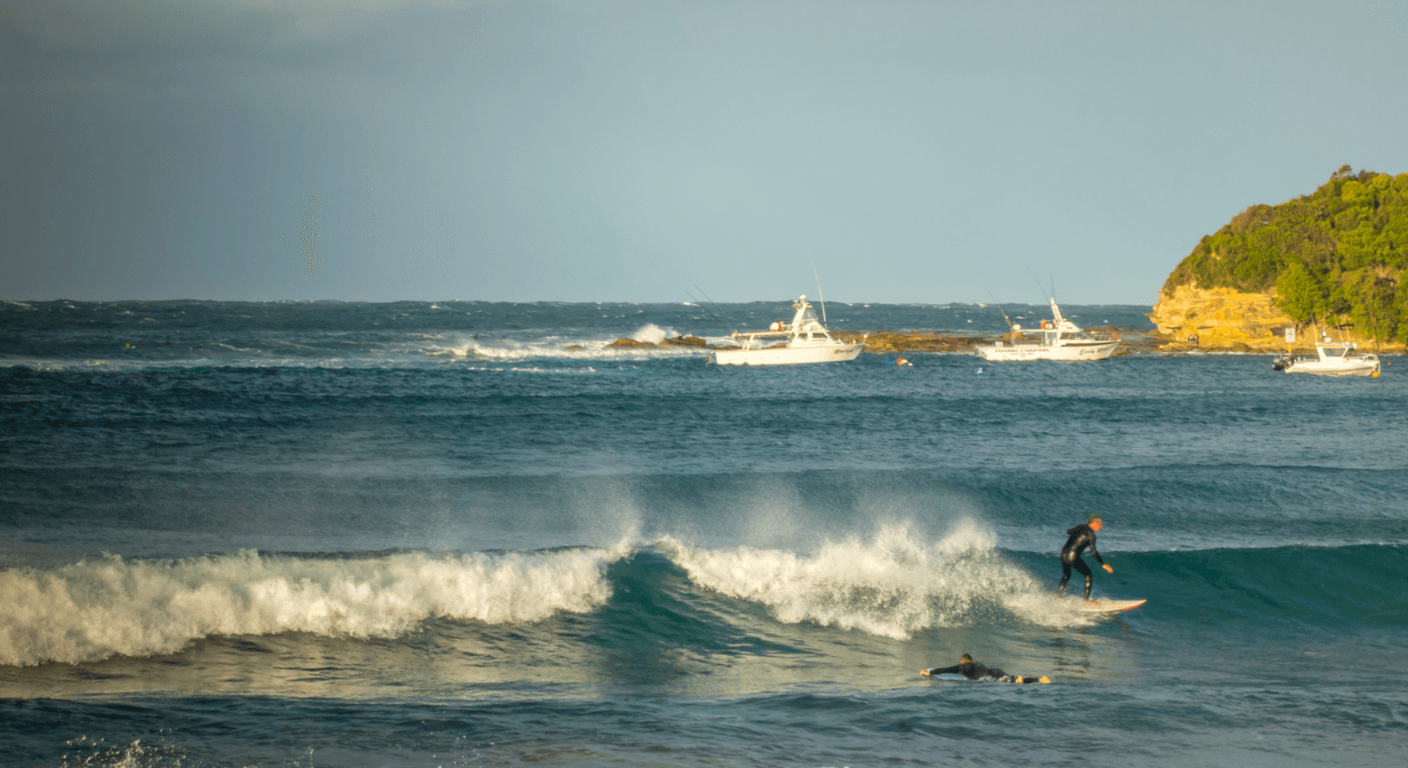
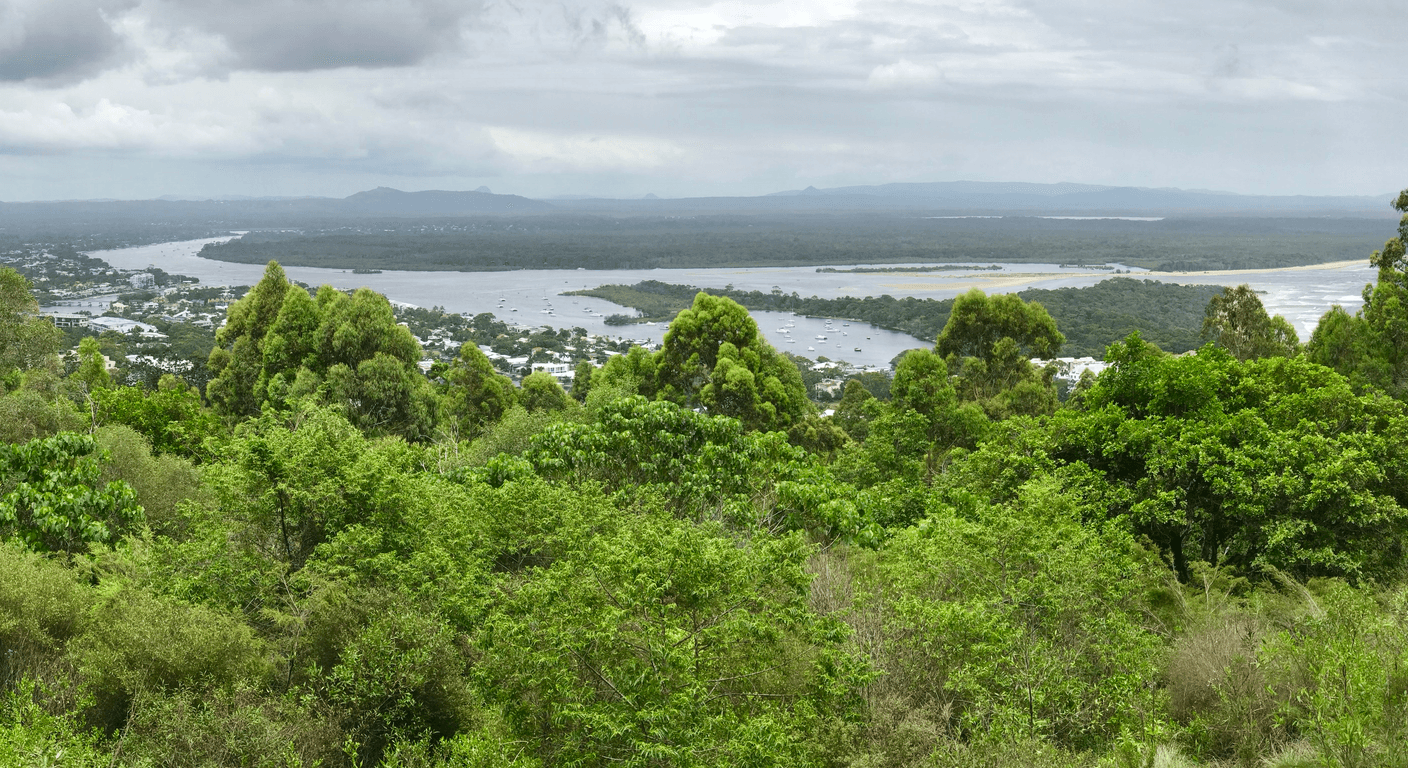
Hell's Gates is a rocky headland lookout that sits roughly 2.5 to 3 kilometres from the main park entrance, depending on which path variations you take. The name sounds dramatic, and the view lives up to it — a broad sweep of open ocean, the Noosa River mouth in the distance, and often a scattering of surfers below. It is a genuinely satisfying destination for a half-day walk, and turning around here rather than continuing the full circuit is a perfectly reasonable choice.
The stretch from the entrance to Hell's Gates passes through some of the park's best koala habitat, takes in several smaller lookouts over Alexandria Bay and Boiling Pot, and gives you enough coastal variety that the return walk does not feel repetitive. The total out-and-back distance to Hell's Gates and back is around 5 to 6 kilometres, with a cumulative elevation gain of roughly 100 to 150 metres spread across multiple short climbs. Allow two to three hours comfortably, including time for rests, photos, and wildlife watching.
If the group is feeling strong and the day is cool, continuing beyond Hell's Gates to Tea Tree Bay or Fairy Pools adds another kilometre or two each way and stays within the more sheltered sections of the park. However, the return walk from those points back to the entrance is the same terrain in reverse, so factor in how knees and energy levels are holding up before committing to the extension.
Koala Spotting — Realistic Expectations for Day Walkers
Noosa National Park has a well-established koala population, and sightings are genuinely more likely here than in many other accessible bushland areas. Rangers and regular visitors report that the trees along the main Coastal Track — particularly in the early sections near the park entrance and through the forest before the first headland — are reliable koala habitat. Early morning is the best time, as koalas tend to be marginally more active and easier to spot before the heat of the day sets in.
The thing to know is that koalas sleep for up to 18 to 22 hours a day and are masters of looking exactly like a grey lump of bark. Slow down, look up into the forks and upper branches of smooth-barked gum trees, and scan for that rounded shape. A good pair of lightweight binoculars — even a compact pair — transforms the experience. If one person in the group spots a koala, stay quiet and give the animal plenty of space. Queensland Parks and Wildlife asks visitors to keep at least 10 metres from koalas.
It is also worth noting that sightings are not guaranteed on any given day. Some groups see three or four koalas within the first hour; others walk the full track and find none. Setting expectations accordingly means the walk remains enjoyable regardless. The coastal scenery, the banksias and scribbly gums, and the sound of the ocean are more than enough on their own.
Pacing the Day — Before and After the Walk
Noosa Heads has a well-developed café and restaurant strip on Hastings Street, and the suburb of Noosa Junction nearby has more relaxed, less tourist-facing options at easier price points. A good practical plan is to have an early breakfast before the walk — something substantial — and then return to town for a late-morning coffee or early lunch once you are back. By that time, most of the walk's exertion is done and sitting down with a good meal feels genuinely earned.
Noosa Main Beach is immediately adjacent to the park entrance and has a calm, patrolled swimming area. After a morning walk, a gentle swim or a paddle at the shallows is a popular way for groups to decompress before lunch. The beach has toilets and change facilities near the surf club. There is also a grassed area with shade trees that suits a packed lunch if the group prefers to keep costs down.
If anyone in your group is not keen on the walk itself, Noosa Heads is a comfortable place to spend a morning independently — the beach is easy to access, the shops and galleries on Hastings Street are walkable, and the Noosa Botanic Gardens in Cooroy (a short drive away) is a quieter alternative for those who want greenery without a hiking trail. A mixed-ability group can split comfortably and reconvene for lunch.
Practical Notes for the Day
Entry to Noosa National Park is free for day walkers, and no booking is required. The park is managed by Queensland Parks and Wildlife Service; the most current track conditions and any temporary closures are listed at parks.des.qld.gov.au. It is worth checking this page before your visit, particularly after periods of heavy rain when sections of the track can become slippery or temporarily closed.
There are toilets at the main park entrance near the car park. There are no facilities on the track itself between the entrance and Hell's Gates, so plan accordingly. A small first-aid kit, sunscreen, a hat, and a light rain layer are sensible additions to your day pack. Mobile phone coverage on the track is generally reasonable, though it can drop out on some of the headland sections — let someone know your general plan before heading out.
For women travelling as a group, the track is well-used, particularly in the morning, which adds a comfortable level of ambient company without being crowded. Solo female walkers also regularly use this track; mornings tend to have a steady flow of other walkers, which many find reassuring. The Queensland Parks website lists the ranger contact number for the Noosa area if you want to check in about conditions or have a specific accessibility query before visiting.
Key takeaways
- Entry to Noosa National Park is free for day walkers, with no booking required.
- The out-and-back walk from the main park entrance to Hell's Gates covers around 5 to 6 kilometres — a manageable half-day for active over-50 walkers.
- The Coastal Track is undulating with exposed rock and tree roots; sturdy grip shoes and trekking poles are recommended.
- Early morning starts — before 8 am — give you the best chance of koala sightings and cooler conditions on exposed headlands.
- There are no water refill points on the track, so carry at least one litre of water per person from the start.
- The park entrance on Park Road is a flat 15 to 20 minute walk from Hastings Street, making it accessible without a car.
Recommended partners and links
Indicative prices only — always confirm with the operator before booking.
Frequently asked questions
Is Noosa National Park free to enter?
Yes, entry to Noosa National Park is free for day walkers. No booking or permit is required. The park is open every day and managed by Queensland Parks and Wildlife Service.
How long does the walk from the park entrance to Hell's Gates take?
Allow two to three hours for the out-and-back walk from the Noosa Heads park entrance to Hell's Gates and back, including time for rest stops and wildlife watching. The return distance is around 5 to 6 kilometres with a total elevation gain spread across several short climbs.
Is the Noosa Coastal Track suitable for walkers with knee or mobility concerns?
The track is not suitable for walkers with significant mobility limitations, as it involves uneven surfaces, tree roots, and short but sometimes steep descents over rock. Walkers with mild knee concerns can manage it with trekking poles and a careful pace, but those who use walking frames or have significant balance issues should stay to the flat, paved approach near the park entrance.
What are the realistic chances of seeing a koala on the Noosa Coastal Track?
Koala sightings are more likely at Noosa National Park than at many accessible bushland areas in South-East Queensland, but they are not guaranteed on any given visit. Early morning starts and slow, observant walking in the forested sections near the park entrance give you the best chance. Binoculars are helpful for spotting koalas resting high in gum tree forks.
Can you get to Noosa National Park without a car?
Yes. The main park entrance on Park Road in Noosa Heads is a flat 15 to 20 minute walk from Hastings Street along the beach esplanade. Sunbus also operates local services around Noosa Heads; check current routes and fares at sunbus.com.au before you travel.
Got a tip, a price update or a story from this route? The community would love to hear it.
Share your views on our Facebook page— Seniors and Solo Traveller Stories