Currumbin Wildlife Sanctuary on the Gold Coast offers a genuinely relaxed wildlife day that suits older travellers well — flat paths, shaded areas, and close encounters with Australian animals at a pace you set yourself. The lorikeet feeding sessions alone are worth the trip, and a short walk to Currumbin Beach afterward rounds out a full, unhurried day. This guide covers getting there from Surfers Paradise, seniors pricing, accessibility, and what to expect hour by hour.
Why Currumbin Works So Well for a Relaxed Day Out
Currumbin Wildlife Sanctuary sits in the southern end of the Gold Coast, about 25 kilometres from the bustle of Surfers Paradise, and it has the feel of a place that has never tried too hard to be flashy. The grounds are wide, the paths are mostly flat and paved, and the animal encounters are genuinely close — not through a glass barrier, but alongside you. For a group of friends looking for a day that combines nature, conversation, and a bit of wonder without a punishing itinerary, it fits the brief neatly.
The sanctuary is run by the National Trust of Australia (Queensland) and has been operating since 1947, which means it carries real history alongside its conservation work. That longevity shows in the mature trees and the sense that the animals are settled here. There is no feeling of rush. You can linger at the free-flight lorikeet area, sit on a bench near the wombat enclosure, or find a shaded spot for morning tea without anyone ushering you along.
For travellers based in regional Victoria making a Queensland trip — perhaps flying into the Gold Coast or Brisbane with a group of friends — Currumbin offers a full, meaningful day that does not require a hire car, athletic fitness, or a packed schedule. It is the kind of place you leave feeling genuinely glad you went.
Getting There from Surfers Paradise: What Are Your Options?
From Surfers Paradise, the most straightforward public transport option is the Translink bus network. The 700 series bus route runs along the Gold Coast Highway and stops near Currumbin Wildlife Sanctuary; the journey takes roughly 45 to 55 minutes depending on traffic and which stop you board from. A go card (Translink's reloadable travel card) keeps the fare low — indicatively around $4 to $6 AUD each way for a senior — and is worth loading before you travel. Check current routes and timetables at translink.com.au, as services can adjust seasonally.
Taxis and rideshare services (Uber operates on the Gold Coast) are a comfortable alternative for a group splitting the fare. From central Surfers Paradise to Currumbin, a taxi fare runs indicatively around $40 to $55 AUD each way — confirm with the driver or app before you travel. For a group of three or four, this can be surprisingly reasonable and removes any navigation stress on a warm Queensland morning.
There is paid on-site parking if someone in the group is comfortable driving a hire car. The car park is close to the main entrance, which matters if anyone in the group finds long walks from car parks tiring. Whichever way you arrive, aim to be at the gates by 8.00 am or shortly after — the morning lorikeet feeding session is the one time of day you genuinely do not want to miss.
The Lorikeet Feeding: What Actually Happens?
The lorikeet feeding at Currumbin is one of the oldest wildlife tourism traditions in Australia, and it earns that reputation. Twice daily — typically around 8.00 am and 4.00 pm, though times should be confirmed on the sanctuary website before your visit — hundreds of wild rainbow lorikeets descend on the feeding area in a noisy, colourful wave. Visitors hold shallow trays of lorikeet food (included in the experience) and the birds land directly on arms, shoulders, and heads without hesitation.
For anyone who has not experienced it before, the scale is genuinely surprising. The noise alone — a dense, cheerful shriek — is part of the charm. The birds are wild and free-flying, not kept, which gives the whole thing an unscripted energy that a staged animal show does not. It is also very accessible: the feeding area is flat, open, and you can participate from a standing or seated position. There are benches nearby if you prefer to watch rather than hold a tray, and both approaches are equally enjoyable.
Wear older clothes or bring a light layer you do not mind getting marked — lorikeet feeding is not a pristine activity. That said, it is good-natured, joyful, and over quickly enough that it does not feel overwhelming. Most visitors find themselves laughing within the first minute.
Koala and Wombat Encounters: What to Expect
Currumbin offers paid koala photo experiences where you can hold or stand beside a koala for a photograph, taken by sanctuary staff. These are ticketed separately from general entry and should be booked in advance through the sanctuary website, as session numbers are limited. Indicatively, the koala experience costs around $25 to $35 AUD on top of entry — confirm current pricing at cws.org.au. The animals rotate through rest periods, so not every koala is available at every session, but the handlers are knowledgeable and take time to explain the animal's habits and conservation status.
The wombat enclosure is a quieter pleasure. Wombats are not cuddly on demand — they are solid, purposeful animals who largely do what they please — but watching them move about their habitat at close range is genuinely interesting. The enclosure area is shaded and has seating nearby, making it a good place to rest mid-morning while still feeling engaged with the visit. Sanctuary staff often pass through to answer questions, and the information boards are well written without being overwhelming.
Beyond koalas and wombats, the sanctuary houses saltwater crocodiles, kangaroos and wallabies in open-roam areas, Tasmanian devils, dingoes, and a wide range of native birds. The kangaroo and wallaby area is particularly good for a group — you can buy small bags of feed at the entrance to that section and hand-feed animals that approach you in their own time. The ground is flat grass and easy to walk on.
Accessibility and Pacing: Honest Notes for Older Visitors
The majority of Currumbin Wildlife Sanctuary's main paths are sealed and flat, which makes it genuinely accessible for visitors using walking sticks, rollators, or wheelchairs. The sanctuary's own website notes wheelchair accessibility, and manual wheelchairs are available to borrow at the entrance — it is worth calling ahead to confirm availability on the day you plan to visit. Some of the secondary garden paths have gentle inclines or looser surfaces, but these are easy to avoid without missing the key experiences.
Pacing is everything at a place like this. The full sanctuary can be covered in three to four hours if you move steadily, but a relaxed group might prefer to spread it across five hours, taking breaks in the shaded café area or on the many benches positioned throughout the grounds. The on-site café serves hot drinks, light meals, and cold drinks at reasonable prices — indicatively around $5 to $15 AUD for snacks and light meals. There is no obligation to rush through.
Shade is plentiful in the older, tree-canopied sections of the sanctuary, but some of the newer enclosure areas are more exposed. A wide-brimmed hat, sunscreen, and a refillable water bottle are sensible for any Queensland visit, and particularly for anyone who runs warm. The sanctuary has water refill stations. If heat is a concern, the morning visit window — arriving at opening and leaving by midday — is the most comfortable approach during summer months.
Combining the Visit with a Currumbin Beach Walk
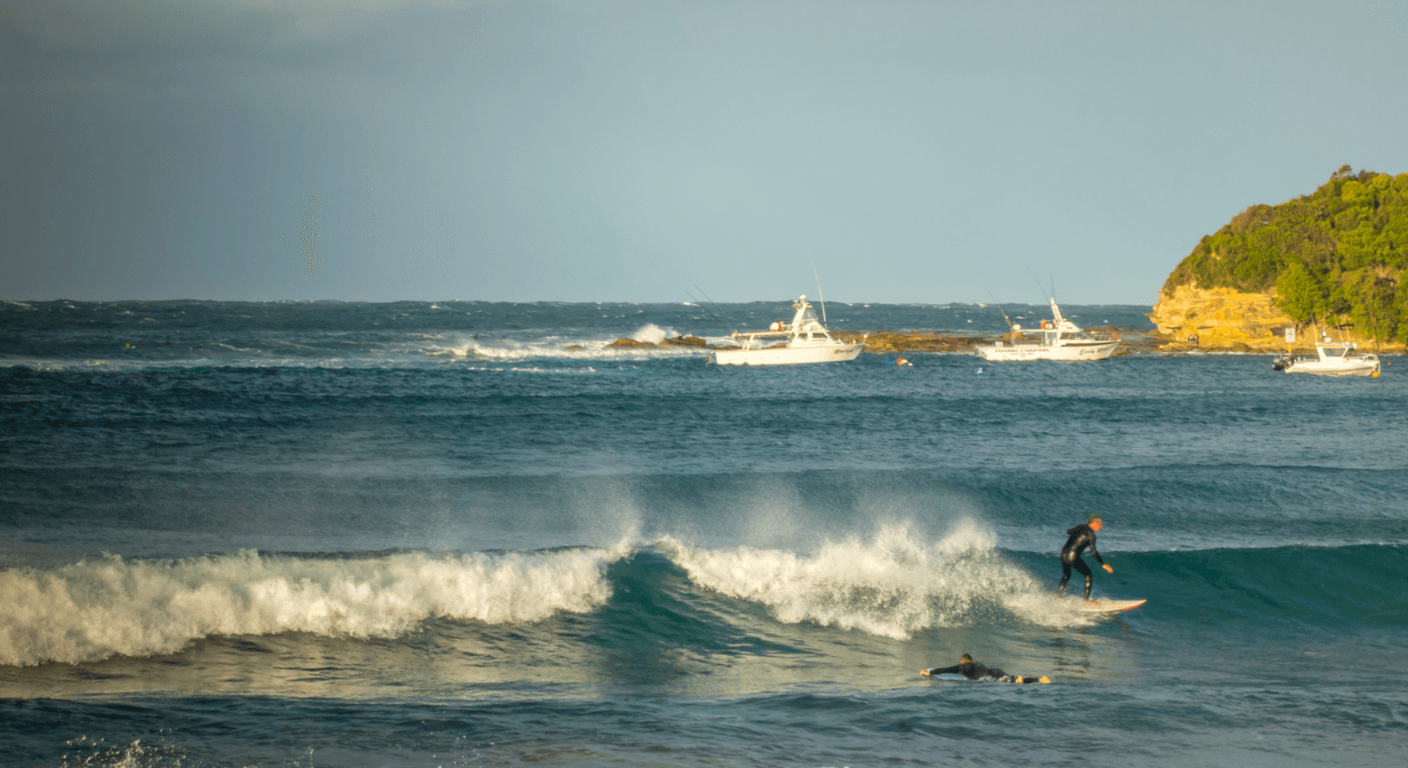
Currumbin Beach is a short walk or brief taxi ride from the sanctuary, and pairing the two makes for a satisfying full day without any sense of over-scheduling. The beach sits at the mouth of Currumbin Creek and has a particular character — it is calmer and less crowded than the central Gold Coast beaches, with a long flat stretch of sand that is easy to walk on. The creek mouth itself, where calm water meets the surf, is a good spot to sit and watch without needing to walk far.
For a group who enjoy a gentle beach walk, the stretch from Currumbin Rock south toward Palm Beach is flat, well-maintained, and takes around 30 to 45 minutes at a comfortable pace. There are public toilets and shower facilities at the beach, and several cafés and casual restaurants along Currumbin Esplanade where a late lunch works well. The Currumbin RSL is nearby and offers a comfortable, air-conditioned dining option with car parking if the group is driving.
The combination of a morning at the sanctuary and a midday beach walk keeps the day varied without being exhausting. Most visitors find they are back at their accommodation by mid-afternoon, which leaves time to rest before dinner — a sensible rhythm for a day in Queensland heat.
Seniors Pricing and Practical Booking Notes
Currumbin Wildlife Sanctuary offers a seniors concession rate on general entry. Indicatively, full adult entry sits around $55 to $60 AUD and the seniors rate around $45 to $50 AUD, but these figures are indicative only and change periodically — always check and confirm current pricing directly at cws.org.au before purchasing. Tickets can be bought online in advance or at the gate. Buying online sometimes offers a small saving and avoids any queue at the entrance, which is worth considering for a group.
Victorian seniors travelling interstate should note that the Victorian Seniors Card does not automatically apply for Queensland venue discounts — the concession rate at Currumbin is typically available to holders of a Queensland Seniors Card or with proof of pension concession. Standard proof of age (60 or 65 and over, depending on the venue's own policy) may also be accepted; it is worth asking when you book. The sanctuary's customer service line can clarify eligibility before you travel.
If the group includes anyone who wants the koala photo experience or other add-on encounters, these are best booked in advance through the same website to avoid disappointment, particularly during Queensland school holidays when the sanctuary is busier. Mid-week visits in the shoulder season (May, June, September) are generally quieter and more comfortable than peak summer or holiday periods.
Key takeaways
- Currumbin Wildlife Sanctuary's paths are mostly flat and sealed, with wheelchairs available to borrow at the entrance — one of the more accessible wildlife venues on the Gold Coast.
- The morning lorikeet feeding session (typically around 8.00 am) is the centrepiece of the visit and involves wild, free-flying birds landing directly on visitors — confirm the current time on the sanctuary website before you go.
- A seniors concession rate is available on general entry; indicatively around $45–$50 AUD, but always confirm current pricing at cws.org.au as rates change.
- From Surfers Paradise, the Translink 700 series bus route reaches the sanctuary in roughly 45 to 55 minutes — a go card keeps the fare low and is worth loading before you travel.
- Combining a morning at the sanctuary with a late-morning walk along Currumbin Beach and lunch on Currumbin Esplanade makes a complete, unhurried day without requiring a hire car.
- Koala photo experiences are ticketed separately and numbers are limited — book in advance through the sanctuary website, especially during Queensland school holidays.
Recommended partners and links
Indicative prices only — always confirm with the operator before booking.
Frequently asked questions
Is Currumbin Wildlife Sanctuary accessible for visitors with mobility aids?
Yes. The main paths at Currumbin Wildlife Sanctuary are largely sealed and flat, and the sanctuary loans manual wheelchairs at the entrance subject to availability. Call ahead to confirm wheelchair availability for your visit date. Some secondary garden paths have minor inclines or looser surfaces, but the key animal areas — including the lorikeet feeding zone, kangaroo paddock, and koala experience — are all accessible without navigating difficult terrain.
How do you get to Currumbin Wildlife Sanctuary from Surfers Paradise without a car?
The Translink 700 series bus route runs along the Gold Coast Highway and stops near the sanctuary, with a journey time of roughly 45 to 55 minutes from central Surfers Paradise. A go card (Translink's reloadable travel card) is the most cost-effective way to pay. Taxis and rideshare services also operate the route; a taxi fare from Surfers Paradise is indicatively around $40 to $55 AUD each way. Always check current Translink timetables at translink.com.au before travelling.
What is the seniors discount at Currumbin Wildlife Sanctuary?
Currumbin Wildlife Sanctuary offers a seniors concession rate on general entry. Indicatively, this is around $45 to $50 AUD compared to a full adult rate of around $55 to $60 AUD, but these figures are indicative only and subject to change. Confirm current pricing at cws.org.au before purchasing. Note that the Victorian Seniors Card may not be accepted — check eligibility with the sanctuary directly, as Queensland Seniors Card or pension concession card holders are the most commonly recognised.
When is the lorikeet feeding at Currumbin Wildlife Sanctuary?
Lorikeet feeding sessions at Currumbin typically occur twice daily, around 8.00 am and 4.00 pm, though times can vary seasonally or due to operational changes. Always confirm the current feeding schedule on the sanctuary's official website at cws.org.au before your visit. The morning session is generally recommended for older visitors as it is cooler and the sanctuary is less crowded early in the day.
Is Currumbin Beach easy to walk along for older travellers?
Currumbin Beach has a long, flat stretch of sand that is relatively easy to walk on, and the area around the creek mouth offers calm water and good spots to sit without needing to walk far. The foreshore path along Currumbin Esplanade is sealed and flat, making it a comfortable option for those who prefer a firm surface. Public toilets, shower facilities, and several cafés are available nearby, and the walk from the beach to Currumbin Esplanade dining options is short and level.
Got a tip, a price update or a story from this route? The community would love to hear it.
Share your views on our Facebook page— Seniors and Solo Traveller Stories