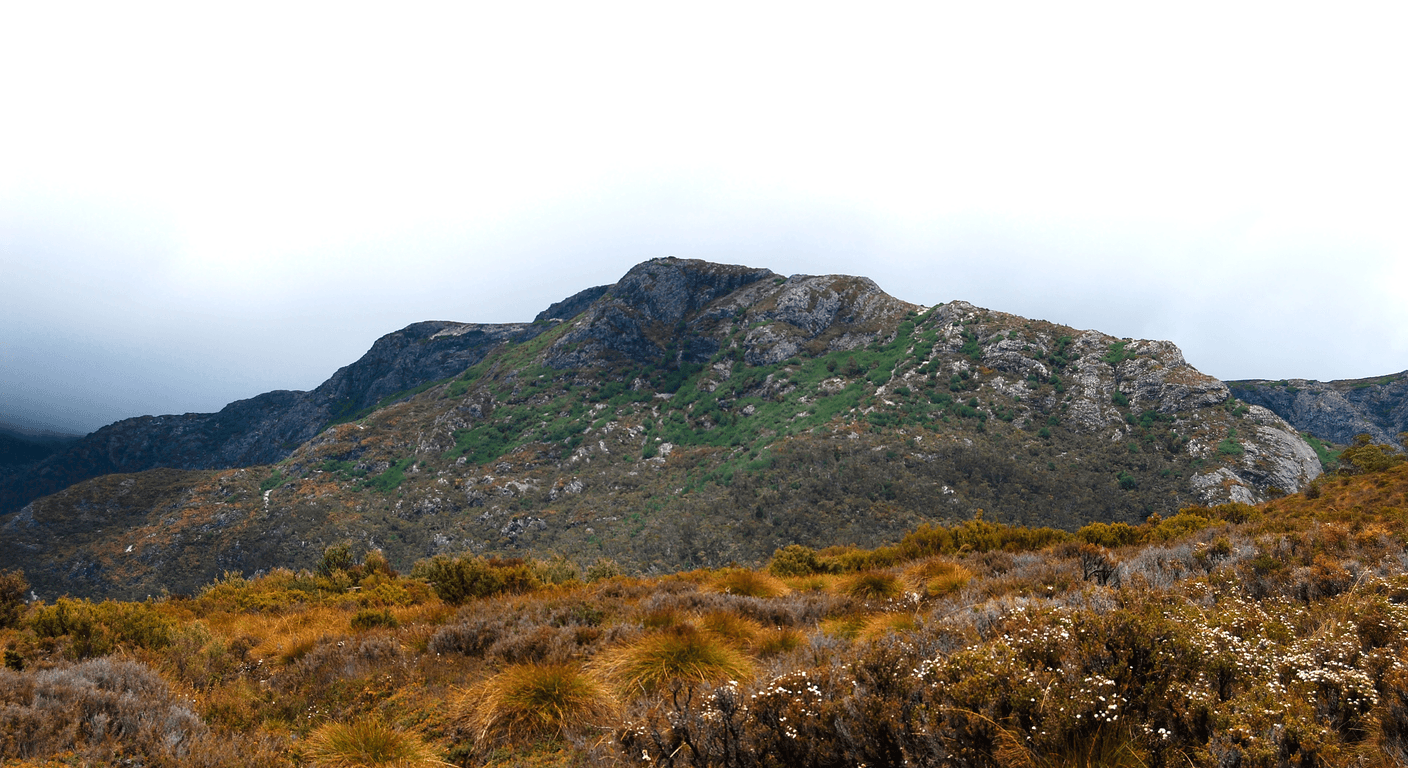
Cradle Mountain and Dove Lake sit in Tasmania's central highlands, about 85 kilometres south of Devonport, and the landscape is genuinely unlike anything on the Australian mainland. The Dove Lake Circuit is the walk most visitors come for, and it suits over-50 travellers well — provided you understand what the different sections actually involve and dress for weather that can change within the hour. This guide breaks down the walk honestly, covers the shuttle bus system, national park fees, and everything worth knowing before you make the trip.
Why Dove Lake is worth a dedicated day for over-50 travellers
Dove Lake sits at around 934 metres above sea level, cradled beneath the dolerite columns of Cradle Mountain itself. On a clear morning, the reflection of the mountain in the lake's dark water is the kind of scene you carry home with you. For travellers in their sixties and seventies, this is one of those rare places where the headline attraction is genuinely accessible — not just marketed as though it is.
The key is understanding that the Dove Lake Circuit is not one uniform walk. It has distinct sections with very different demands underfoot. If you go in knowing which parts suit your pace and your knees, you can tailor the day to suit yourself rather than push through sections that were not designed with older walkers in mind. That is a much more satisfying way to do it.
Getting there from Victoria requires a flight or ferry to Tasmania — Launceston is the most convenient air gateway, roughly two hours by road from Cradle Mountain. Devonport is closer to 90 minutes. Many travellers from Melbourne combine the Spirit of Tasmania ferry with a hire car, which gives you flexibility and removes the pressure of tight connections.
How does the shuttle bus system work, and do you need it?
Private vehicles are restricted from driving all the way to Dove Lake for much of the year. During peak periods — broadly from late October through to the end of April, though this can vary — you park at the Cradle Mountain Visitor Centre and board the free shuttle bus that runs regularly to the lake and to other points along the park road. The shuttle is included with your park entry and runs frequently enough that you rarely wait long. Confirm current shuttle timetables and seasonal restrictions at parks.tas.gov.au before your visit, as the operating calendar does shift.
The shuttle stops include the visitor centre, Ronny Creek (the start of the Overland Track), the Enchanted Walk, and Dove Lake itself. For a day focused on the lake circuit, you board at the visitor centre and ride to the Dove Lake car park, which is where the walk begins. The buses are accessible and drivers are generally helpful; if you have any mobility concerns, it is worth letting the driver know when you board.
Outside the restricted period, you may be able to drive to Dove Lake directly, but the shuttle remains the more relaxed option. Parking at the lake is limited and the road is narrow. Taking the shuttle means you arrive without the stress of finding a space and can focus on the walk itself.
What is the Dove Lake Circuit actually like underfoot? An honest grading for over-50s
The full Dove Lake Circuit is approximately six kilometres and takes most walkers between two and three hours at a comfortable pace. The track loops around the entire lake. Here is the honest part: the two sides of that loop are genuinely different. The western side of the lake, which includes the famous boatshed and the lower boardwalk sections, is well-maintained, relatively flat, and suits walkers of most fitness levels including those with mild mobility limitations. The boardwalk is wide, stable, and provides superb views across the water to Cradle Mountain without requiring any scrambling.
The eastern side — the section that traverses the rocky moraine slope above the lake — is a different matter. This part of the circuit involves uneven dolerite rocks, some short but steep pinches, and surfaces that become slippery when wet. It is not classified as difficult by Tasmanian trail standards, but for someone with arthritic knees, recent joint surgery, or any balance concerns, it deserves serious consideration. There is no shame in walking the western boardwalk section to the far end of the lake and returning the same way. You still see the mountain, the water, and the boatshed. You miss nothing essential.
Parks Tasmania grades the full circuit as 'easy to moderate'. For over-50 walkers, treat that as 'moderate' and plan accordingly. Trekking poles make the rocky eastern section significantly more manageable and are worth bringing. The total elevation gain across the full loop is modest — around 50 metres — but the uneven footing is what catches people out, not the climb.
What does the weather do at Cradle Mountain, and why does it matter?
Cradle Mountain sits in one of the wettest corners of Tasmania. The weather here operates by its own rules, regardless of what the forecast said at breakfast. In summer — December through February — you might have warm sunshine at the visitor centre and a cold horizontal rain squall at the lake within the same hour. In any other season, the range of possible conditions on a single day is even wider. Snow can fall on Cradle Mountain in any month of the year, though sustained snow at lake level is more common in winter.
This is not said to alarm anyone — it is simply the landscape, and it is part of what makes it feel so wild and distinct. The practical upshot is that you dress in layers regardless of the season. A waterproof jacket is not optional; it is the single most important item you pack for this day. Merino wool or synthetic thermal mid-layers work well. Cotton is genuinely problematic in this environment because it stays wet against your skin and chills you. Many experienced walkers in Tasmania describe cotton as the fabric that causes the most trouble for underprepared visitors.
Check the Bureau of Meteorology forecast for Cradle Mountain specifically — bom.gov.au — on the morning of your visit. The park rangers at the visitor centre are also a reliable source of current conditions and will tell you honestly if the track is unsafe. Visibility at the lake can drop to near zero in mist, which is not dangerous on the well-marked circuit but does mean you may not see the mountain at all. Many travellers who can extend their stay by a night or two find it worthwhile to wait for a clearer window.
National park fees and what they cover
Entering Cradle Mountain-Lake St Clair National Park requires a valid Parks Tasmania pass. If you are visiting Tasmania for more than a day or two and plan to visit multiple parks — which is likely — the Holiday Pass offers better value than a single-entry ticket. At the time of writing, indicative pricing sits around $30–$40 per adult for the Holiday Pass, but fees are reviewed periodically and you should confirm current pricing at parks.tas.gov.au before you travel. The shuttle bus to Dove Lake is included with your park entry.
The fee covers access to the national park, use of the shuttle service, and the visitor centre facilities. The Cradle Mountain Visitor Centre is a good stop before you board the shuttle — the rangers can brief you on current track conditions, and there are toilets, a café, and a gift shop. The visitor centre also has interpretive displays about the park's geology, wildlife, and the history of the Overland Track.
If you hold a current Australian Seniors Card or a Veterans card, it is worth asking at the entry station whether any concession applies — Parks Tasmania periodically reviews its concession categories. There is no universal automatic discount, but it costs nothing to ask.
What to pack for the day
The packing list for Dove Lake is not long, but every item on it earns its place. Waterproof jacket — essential, not negotiable. Warm mid-layer such as a fleece or merino jumper. Comfortable, broken-in walking shoes or trail shoes with grip; the boardwalk sections are fine in most shoes but the eastern moraine section rewards proper walking footwear. Trekking poles if you use them. A small backpack to keep your hands free.
Food and water: there is a café at the visitor centre but nothing at the lake itself. Bring enough water for the full walk — at least one to 1.5 litres per person for the full circuit — and some snacks. The cool temperatures can mask how much fluid you are losing, particularly on a brisk day. A packed lunch lets you sit by the boatshed without needing to rush back for the café's closing time.
Sun protection still matters even when it is cool and overcast. UV levels in Tasmania can be high on summer days, and the open sections of the circuit near the lake offer no shade. Sunscreen, a hat, and sunglasses are worth including. If you wear prescription glasses, a glasses strap is useful on windy days. Finally, a fully charged phone for navigation and photos — mobile coverage at the lake is limited, so download an offline map before you leave your accommodation.
Practical considerations for solo travellers and those travelling from Victoria
Travelling to Cradle Mountain from Victoria means first getting to Tasmania — either by flying into Launceston (the closest airport, roughly two hours by road) or by taking the Spirit of Tasmania ferry from Station Pier in Melbourne to Devonport, which is about 85 kilometres from the park. The ferry crossing takes around nine to ten hours overnight, and travelling with a hire car gives you complete flexibility once you arrive. For solo travellers, the ferry can feel sociable and unhurried; for those who prefer a quicker trip, direct flights from Melbourne to Launceston take around an hour.
Accommodation options near Cradle Mountain range from the Peppers Cradle Mountain Lodge — the most established on-site option with a range of room types — to smaller guesthouses and cabins in the township of Cradle Mountain. Staying overnight rather than attempting the walk as a true day trip from Launceston or Devonport is strongly worth considering. It gives you the option to walk in the morning when light is best on the mountain, and to go back to the lake if the first afternoon is overcast.
Solo female travellers will find Cradle Mountain a comfortable and well-managed destination. The shuttle buses have other visitors on them, the tracks are well-marked and reasonably trafficked on most days, and the park rangers are present and visible. The main practical note for solo walkers is to tell someone — your accommodation, a travel companion at home, or the visitor centre — your intended route and expected return time. This is standard practice in any national park and costs nothing.
Key takeaways
- The Dove Lake boardwalk sections on the western side of the circuit suit most fitness levels, including those with mild mobility limitations.
- Private vehicles are restricted from driving to Dove Lake for much of the year — the free shuttle bus from the visitor centre is the standard way in.
- Weather at Cradle Mountain can change rapidly in any season; a waterproof jacket is non-negotiable regardless of the forecast.
- The full Dove Lake Circuit is around six kilometres and graded 'easy to moderate' — for over-50 walkers, treat it as moderate and bring trekking poles for the rocky eastern section.
- A Parks Tasmania Holiday Pass covers both park entry and the shuttle bus; confirm current fees at parks.tas.gov.au before you travel.
- Staying overnight near Cradle Mountain rather than rushing a long day trip gives you the best chance of clear conditions at the lake.
Recommended partners and links
Indicative prices only — always confirm with the operator before booking.
Frequently asked questions
Is the Dove Lake Circuit suitable for seniors or older walkers?
The western boardwalk section of the Dove Lake Circuit is suitable for most older walkers, including those with moderate fitness levels or mild mobility limitations. The eastern side of the full loop crosses uneven dolerite rocks and requires reasonable balance and sure footing. Walkers who prefer to avoid the rocky section can walk the boardwalk to the far end of the lake and return the same way without missing the key views.
Do you need to book the shuttle bus to Dove Lake in advance?
The shuttle bus at Cradle Mountain is free with park entry and generally does not require a booking — you board at the Cradle Mountain Visitor Centre during operating hours. However, during peak summer periods the service can be busy. Check current timetables and any booking requirements at parks.tas.gov.au before your visit, as operating arrangements can change.
How much does it cost to enter Cradle Mountain National Park?
Parks Tasmania charges an entry fee for Cradle Mountain-Lake St Clair National Park. A Holiday Pass, which covers multiple park visits across Tasmania, costs around $30–$40 per adult at the time of writing — confirm current pricing at parks.tas.gov.au, as fees are reviewed periodically. The shuttle bus to Dove Lake is included with your park entry.
What is the weather like at Cradle Mountain in summer?
Even in summer (December to February), Cradle Mountain weather is highly variable. A warm morning can give way to cold rain, strong wind, or mist within hours. Snow at lake level is uncommon in summer but not unheard of at higher elevations. A waterproof jacket and warm layers are essential regardless of the season. Check the Bureau of Meteorology forecast for Cradle Mountain at bom.gov.au on the morning of your visit.
How do you get to Cradle Mountain from Victoria?
From Victoria, you first travel to Tasmania by flight or ferry. Flights from Melbourne to Launceston take around an hour; Launceston is roughly two hours by road from Cradle Mountain. The Spirit of Tasmania ferry runs overnight from Station Pier, Melbourne, to Devonport, which is about 85 kilometres from the park. Hiring a car in Tasmania gives you the most flexibility for the drive to Cradle Mountain.
Got a tip, a price update or a story from this route? The community would love to hear it.
Share your views on our Facebook page— Seniors and Solo Traveller Stories