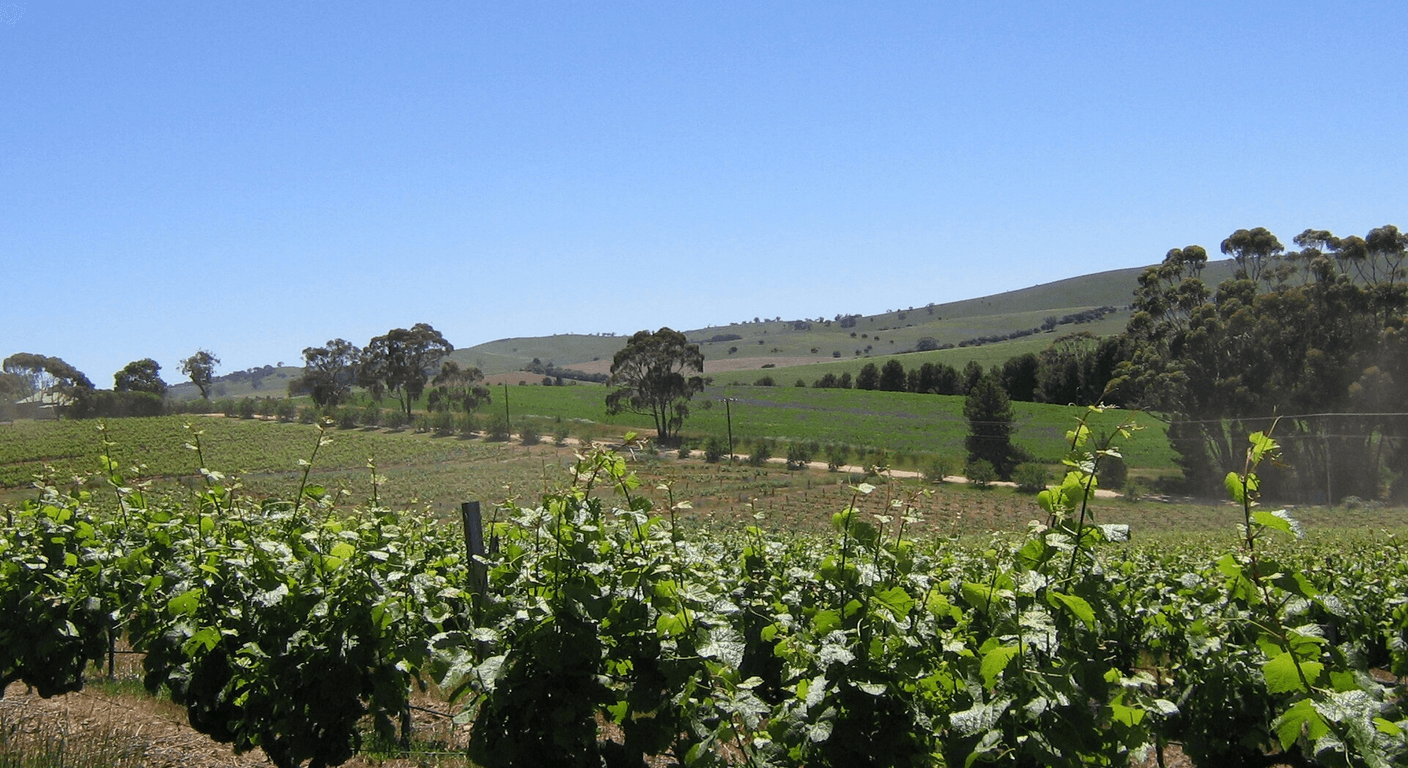
The Clare Valley sits about two hours north of Adelaide and offers a quieter, more personal version of South Australian wine country. Known for its Riesling Trail — a flat, sealed path following a disused railway line — and a cluster of boutique cellar doors, it suits travellers who prefer to linger without the crowds. For over-50s coming from Victoria, it makes a rewarding short interstate trip, though getting around requires some planning as public transport options are limited.
Why the Clare Valley instead of the Barossa?
The Barossa Valley deserves its reputation, but that reputation comes with coachloads of visitors on weekends, booked-out cellar doors, and a pace that can feel more rushed than relaxing. The Clare Valley, about 140 kilometres north of Adelaide, attracts a quieter crowd. The scale is more human, the cellar doors are mostly family-run, and the staff at the tasting counter are often the people who actually make the wine.
For travellers aged 50 and over who prefer a conversation over a conveyor-belt tasting experience, that difference matters. You are not sacrificing quality to get the quieter version — Clare Valley Riesling has an international following and the region has been producing wine since the 1840s. You are simply trading the spectacle for something more personal.
If you are travelling from regional Victoria — say, Bendigo, Ballarat, or Shepparton — the Clare Valley sits at a comfortable distance for a long weekend or a five-day loop. It pairs well with a night or two in Adelaide on either side, which gives the trip a natural shape without overpacking the itinerary.
Getting there from Adelaide: what are your options?
The Clare Valley township of Clare is roughly 135 kilometres north of Adelaide, and the drive on the Main North Road takes around two hours depending on where you enter the valley. If you are flying into Adelaide from Melbourne or Sydney, picking up a hire car at the airport is the most straightforward approach. The road is well-maintained and largely flat once you leave the Adelaide Hills, making it an easy drive.
It is worth being honest here: public transport to the Clare Valley is limited in a way that the Barossa — with its organised tour circuit from Adelaide — is not. There is no direct train service to Clare. Stateliner coaches (operated by Torrens Transit) do run from Adelaide's Central Bus Station to Clare, with a journey time of around two to two-and-a-half hours, and this is a real option if you are not comfortable driving interstate. However, the timetable is not designed for day-tripping between cellar doors, so you would need to base yourself in Clare township for at least a night or two to make a coach trip worthwhile. Confirm current timetables and fares at the Adelaide Metro and Torrens Transit websites before you travel.
Organised wine-country day tours from Adelaide do visit the Clare Valley occasionally, though less frequently than they cover the Barossa. Checking with the South Australia Tourism Commission or the Clare Valley Visitor Information Centre for current tour operators is a practical first step, particularly if driving is not appealing. For a group of friends travelling together, a hire car shared between four people often works out cost-effective and gives you the flexibility to stop when and where you like.
What is the Riesling Trail and is it suitable for older walkers and cyclists?
The Riesling Trail is a sealed, shared-use path running approximately 33 kilometres along the route of a disused railway line between Auburn in the south and Clare in the north, with an additional spur to Barinia. Because it follows a railway corridor, the gradient is notably gentle — the steepest sections are around two percent — which makes it genuinely accessible for people who would struggle on hilly terrain. The surface is good quality and suitable for standard bicycles, e-bikes, and walking shoes.
Most people do not walk or cycle the full length in one go. The trail is designed to be done in sections, and several cellar doors and cafes sit directly on or within a short walk of the path, which means you can structure a half-day or full-day outing around two or three stops. Picking up a bike in Clare and cycling south to Sevenhill, stopping for a tasting and lunch, then cycling back covers around 14 kilometres return and is a comfortable pace for most reasonably active over-50s.
Electric bikes are available from hire operators in the area and are worth considering if you haven't cycled much recently or if the return leg feels uncertain. Confirm availability and current pricing with Clare Valley Visitor Information Centre or local hire operators listed on the Clare Valley website, as operators and prices change seasonally. If cycling is not for you at all, sections of the trail are pleasant for a flat walk, and the Auburn end in particular has a lovely stretch through open countryside.
Which cellar doors are worth your time?
Sevenhill Cellars is the oldest winery in the Clare Valley, established in 1851 by Jesuit priests and still operated by the Jesuit order today. The heritage buildings, the stone church of St Aloysius, and the surrounding garden give it a sense of place that goes well beyond wine. The cellar door is unhurried, the staff knowledgeable, and the setting — particularly on a weekday morning — is quietly beautiful without being theatrical. It is also directly accessible from the Riesling Trail, making it a natural midpoint stop.
Skillogalee is another name that comes up consistently among people who know the region well. The cellar door doubles as a restaurant set in a historic stone homestead, and the veranda lunch is a genuinely relaxed way to spend a couple of hours. Reservations are advisable, particularly on weekends. Jim Barry Wines and Knappstein are both well-regarded and offer a more contemporary tasting room experience for those who prefer that style.
The practical advice for a group of friends is to choose two or three cellar doors for a day rather than trying to visit six. The valley is around 35 kilometres long, and the distances between stops add up. Building in time to sit somewhere properly — a veranda lunch, a long tasting with questions — will give you a more satisfying day than a rapid circuit. Most cellar doors are open seven days, but hours vary by season, so confirm before you go.
Historic Sevenhill: more than just a winery
The village of Sevenhill itself is small — a handful of buildings — but the Jesuit precinct that anchors it is historically significant. The Church of St Aloysius, completed in 1875 in local bluestone, is open to visitors and is a calm, well-preserved example of colonial ecclesiastical architecture. Adjacent to it is an underground crypt where Jesuit priests and brothers who served the mission are buried. It is not morbid so much as sobering and interesting — a genuine piece of Australian history that most interstate visitors know little about.
The surrounding landscape around Sevenhill has a different character from the flatter parts of the valley. There are low hills, old stone walls, and a sense of having arrived somewhere with a longer memory than most regional Australian towns. For travellers who find purely wine-focused trips a little one-note, Sevenhill adds a layer of cultural and historical interest that rounds out the day.
Access to the church and winery is on foot once you arrive, and the ground is reasonably level within the main precinct. If mobility is a consideration, it is worth contacting Sevenhill Cellars directly before your visit to ask about current access arrangements, particularly around the church and historic buildings.
Where to stay and how to pace yourself
Clare township has a reasonable range of accommodation, from motel-style rooms to self-contained cottages. Auburn, at the southern end of the trail, is a well-preserved historic town with some appealing bed-and-breakfast options and a slower pace than Clare itself. Basing yourself in Clare gives you the most flexibility for day trips along the trail and into the valley, but Auburn suits travellers who want to ease into the region from the Adelaide end.
A two-night stay is probably the minimum to see the valley without feeling rushed. Three nights allows you to do the Riesling Trail properly on one day, spend a full afternoon at Sevenhill and surrounds on another, and use the third day for a longer lunch somewhere or a drive to the northern end of the valley. This kind of pacing suits the 60-plus traveller far better than cramming everything into a single long day trip from Adelaide.
For accommodation bookings, the Clare Valley Visitor Information Centre website is a practical starting point, and South Australia Tourism Commission's website also lists properties. Indicative costs for self-contained cottage accommodation in the region run roughly $150–$280 per night depending on the property and season — treat these as a ballpark only and confirm current rates directly with providers.
Practical tips: accessibility, costs, and what to bring
The Clare Valley is not a flat, obstacle-free environment everywhere. Cellar doors vary significantly in their accessibility — some have heritage stone buildings with steps and uneven surfaces, while others have been designed or updated with level access in mind. If mobility is a genuine consideration for you or someone in your group, it is worth phoning ahead to specific cellar doors rather than assuming. The Riesling Trail itself is the most consistently accessible element of the trip, given its flat, sealed surface.
In terms of indicative costs for the overall trip from Victoria: return flights Melbourne to Adelaide are roughly $150–$350 per person depending on timing and carrier (confirm current fares directly with airlines). Hire car costs from Adelaide Airport vary considerably by vehicle and season — budget around $60–$100 per day as a rough indicator, with fuel extra. A day on the Riesling Trail with bike hire, two or three tastings, and a modest lunch might come to roughly $80–$130 per person. These are indicative figures only and should be confirmed with current providers before you plan your budget.
The Clare Valley can be very hot in summer (December to February), and the trail offers limited shade in stretches. Autumn (March to May) and spring (September to November) are the most comfortable seasons for walking and cycling. Bring a hat, sunscreen, and a light layer for the evenings regardless of season. If you are travelling as a group, a shared picnic from a local providore or bakery in Clare township is an easy and affordable way to supplement a cellar door stop without relying on restaurant availability.
Key takeaways
- The Clare Valley offers a quieter, more personal alternative to the Barossa, with boutique cellar doors and smaller crowds.
- The Riesling Trail is a flat, sealed, 33-kilometre shared-use path along a disused railway — genuinely manageable for most active over-50s, especially with e-bike hire.
- Public transport to the Clare Valley is limited; a hire car or organised tour from Adelaide is the most practical way to get around the region.
- Sevenhill Cellars is the oldest winery in the valley and combines wine tasting with a significant piece of Jesuit colonial history, including an 1875 bluestone church.
- Two to three nights based in Clare or Auburn allows a comfortable pace — one day on the trail, one day exploring cellar doors, one day for longer stops.
- Autumn and spring are the most comfortable seasons for the Riesling Trail; summer heat can be significant and shade along the path is limited.
Recommended partners and links
Indicative prices only — always confirm with the operator before booking.
Frequently asked questions
Can you get to the Clare Valley from Adelaide without a car?
Stateliner coaches run from Adelaide's Central Bus Station to Clare, with a journey of around two to two-and-a-half hours, but the timetable is not suited to day-tripping between cellar doors. If you travel by coach, plan to stay at least two nights in Clare township. Organised wine tours from Adelaide occasionally include Clare Valley itineraries — check with the South Australia Tourism Commission or Clare Valley Visitor Information Centre for current options.
Is the Riesling Trail suitable for older walkers and cyclists who are not particularly fit?
Yes, for most people. The trail follows a disused railway corridor, so the gradient is very gentle — no more than around two percent on the steepest sections. The surface is sealed and shared-use. Electric bikes are available from local hire operators and are worth considering if you have not cycled much recently. Walking sections of the trail near Auburn or Sevenhill is also a comfortable option if cycling is not suitable.
How far is the Clare Valley from Adelaide?
Clare township is approximately 135 kilometres north of Adelaide, and the drive on the Main North Road takes roughly two hours. The valley itself extends from Auburn in the south to beyond Clare in the north, a distance of about 35 kilometres.
What is special about Sevenhill Cellars compared to other Clare Valley wineries?
Sevenhill Cellars is the oldest winery in the Clare Valley, established in 1851 by Jesuit missionaries. It is still operated by the Jesuit order and includes the historic Church of St Aloysius, built in 1875 from local bluestone, and an underground crypt. It combines wine tasting with genuine colonial and religious history in a setting that is quieter and more reflective than most cellar door experiences.
What is the best time of year to visit the Clare Valley for an over-50 traveller?
Autumn (March to May) and spring (September to November) are the most comfortable seasons for walking or cycling the Riesling Trail and visiting cellar doors. Summer temperatures can be very high and the trail has limited shade in sections. Autumn also coincides with harvest season, which adds activity and interest across the valley's wineries.
Got a tip, a price update or a story from this route? The community would love to hear it.
Share your views on our Facebook page— Seniors and Solo Traveller Stories